- What Are Culinary Experiences in El Salvador?
- Best Culinary Experiences in El Salvador
- Top Destinations for Culinary Experiences in El Salvador
- How to Get Around El Salvador for Culinary Experiences
- Traditional Salvadoran Foods to Try During Your Culinary Experience
- What Is Included in a Culinary Experience in El Salvador?
- How Much Do Culinary Experiences in El Salvador Cost?
- How to Choose the Best Culinary Experience in El Salvador
- How to Plan a Culinary Trip Around El Salvador
- Tips for Enjoying Culinary Experiences in El Salvador
- Frequently Asked Questions About Culinary Experiences in El Salvador
- Plan Your Culinary Adventure in El Salvador
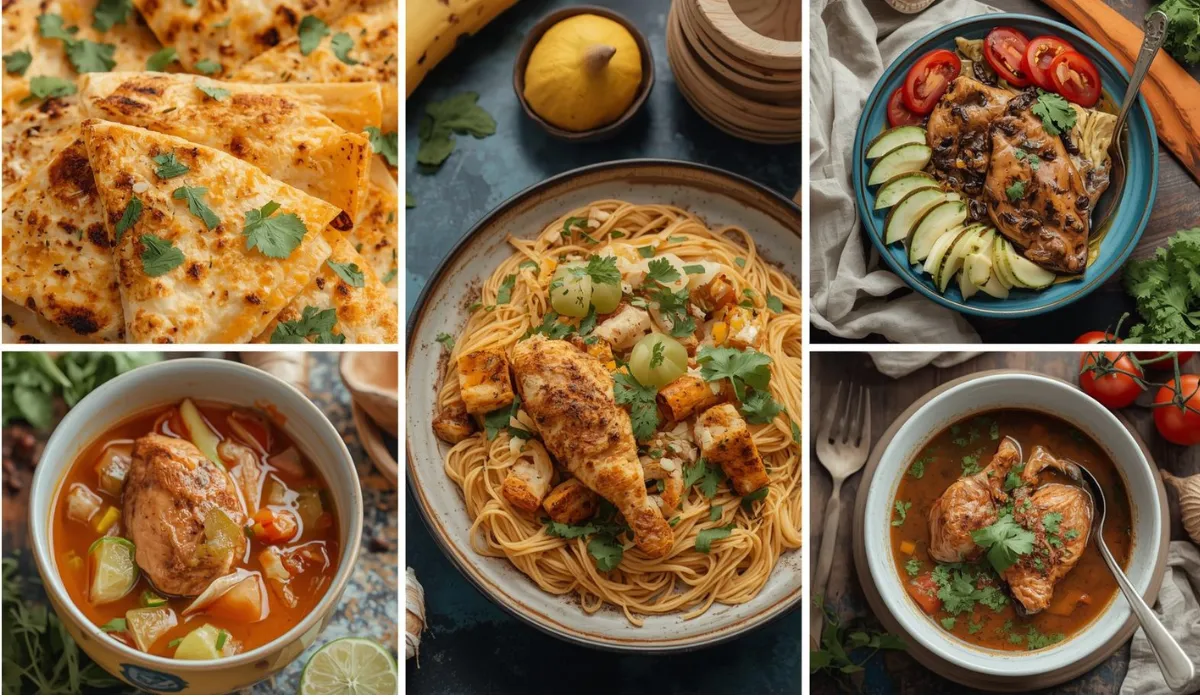
Culinary experiences El Salvador offers are among the most authentic ways to connect with the country’s culture, history, and people. From hand-patted pupusas sizzling on a hot comal to specialty coffee grown on volcanic slopes, the food here tells a story that goes far beyond the plate.
What Are Culinary Experiences in El Salvador?
A culinary experience in El Salvador is not simply eating local food. It is an immersive activity that involves preparing, discovering, or deeply understanding Salvadoran gastronomy alongside the people who make it. You might roll masa in your hands, walk through a bustling market with a local guide, or sip coffee on a farm where the beans were grown just meters away.
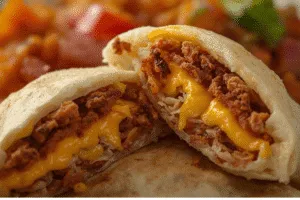
These experiences matter because Salvadoran food carries indigenous, Spanish, and African influences that have shaped the country’s identity. The pupusa alone—a thick corn tortilla stuffed with cheese, beans, or pork—is a national symbol that brings families and communities together. For a broader overview of how gastronomy fits into the country’s tourism landscape, see this guide to gastronomic tourism in El Salvador.
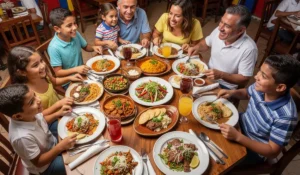
Travelers can expect a range of formats: guided food tours through historic centers, hands-on cooking classes, visits to coffee farms, explorations of local markets, and private dinners with Salvadoran families. Each offers a different window into the country’s culinary soul.
Best Culinary Experiences in El Salvador
Salvadoran Food Tours
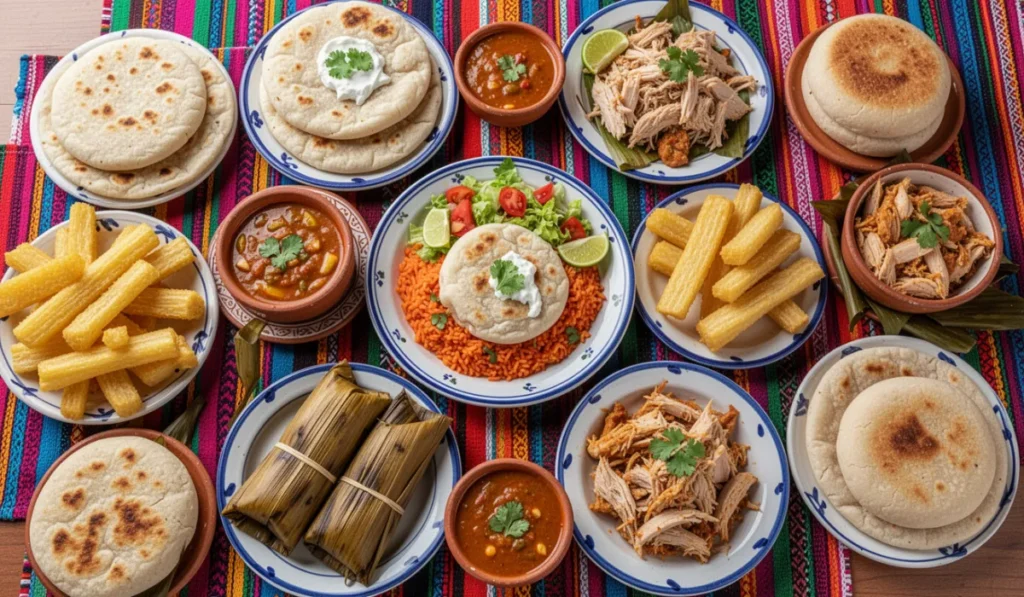
Food tours in San Salvador typically combine walking, history, and tasting. A popular option includes a pupusa-making class, a walk through the historic Central Market, and a specialty coffee tasting—all within about three hours. These tours often begin at landmarks like Plaza Gerardo Barrios and wind through the city’s historic center, ending at a bar or café where you can enjoy traditional drinks in a relaxed atmosphere.
For those who prefer a deeper dive, some operators offer food tours with market shopping and multiple tastings, with prices starting around CN¥160 per person. If you want to see how these tours fit into a wider range of activities, the tours in El Salvador page is a useful starting point.
Pupusa-Making Classes
Pupusa-making classes are the most accessible entry point into Salvadoran cuisine. In a private class, you learn to mix masa, shape it into a ball, stuff it with cheese, beans, or chicharrón, and pat it into a perfect disk before it hits the comal. Most classes last about two and a half hours and include hotel pickup, ingredients, and a full meal with curtido and tomato salsa.
These classes work well for couples, families, and anyone who wants a hands-on connection to Salvadoran culture. Private traditional pupusa cooking classes are widely available in San Salvador, with prices starting around CN¥915 per person.
Traditional Salvadoran Cooking Classes
Beyond pupusas, some experiences teach broader Salvadoran cooking. These classes may cover dishes like yuca frita with chicharrón, tamales wrapped in banana leaves, or traditional soups. Interacting with local cooks or families is the core appeal—you learn techniques and ingredient combinations that have been passed down for generations.
Local Market and Street Food Experiences
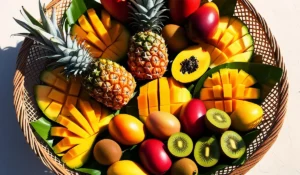
The Central Market (Mercado Central) in San Salvador is the largest and most vibrant public market in the city. It spans multiple halls with everything from fresh produce and medicinal herbs to prepared food stalls. Food tours frequently include a stop here, where you can taste tropical fruits, local snacks, and authentic street food.
Olocuilta, about 30 minutes from San Salvador, is known as the “pupusa capital” of El Salvador. The town’s pupuserías serve handmade pupusas from early morning until late evening. For travelers interested in a focused pupusa pilgrimage, this is a worthwhile detour.
Coffee Farm and Coffee Tasting Experiences
El Salvador’s coffee is world-class, and the Apaneca-Ilamatepec mountain range—home to the Ruta de las Flores—is the heart of coffee country. Several farms welcome visitors for tours that cover the full process from seed to cup. For a detailed guide to the route itself, see El Salvador’s Ruta de las Flores.
Finca El Carmen in Concepción de Ataco offers a one-hour traditional tour for about $6, or a three-hour “Integral” tour for about $25 that includes a proper cupping table, countryside lunch, and a pound of beans to take home. The estate has been run by the Alfaro family for generations, and the century-old La Casona house adds historical character. While you’re in town, the murals of Concepción de Ataco are worth a walk between tastings.
Finca La Esperanza on the slopes of the Santa Ana volcano is a family operation run by two brothers, Eduardo and Bruno. The experience includes pour-over tastings across several varietals, pupusas with dessert, and the option of a volcano hike. Booking is done via WhatsApp or Facebook, and pickup is strongly recommended over self-driving.
For travelers combining coffee with a lake day, Cooperativa Los Pinos above Lake Coatepeque offers coffee walks, a restaurant, and cabins for overnight stays. Beans sell for about $3 per 400 grams. If you want to extend the day, here’s a full guide to Lake Coatepeque in El Salvador.
Farm-to-Table Culinary Experiences
Some experiences focus on the connection between agriculture and the plate. Visits to local producers, fresh ingredient tastings, and meals prepared with ingredients sourced directly from nearby farms are becoming more available. These experiences highlight the agricultural abundance of El Salvador’s volcanic soils.
Private and Authentic Culinary Experiences
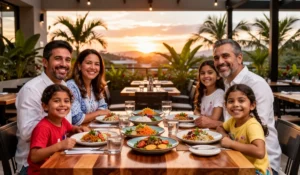
Private culinary experiences offer customization and intimacy. These can include private dinners in local homes, personalized food tours, and cooking sessions tailored to specific interests or dietary needs. They are ideal for couples, families, and small groups who want a more personal connection with Salvadoran food culture.
Top Destinations for Culinary Experiences in El Salvador
Culinary Experiences in San Salvador
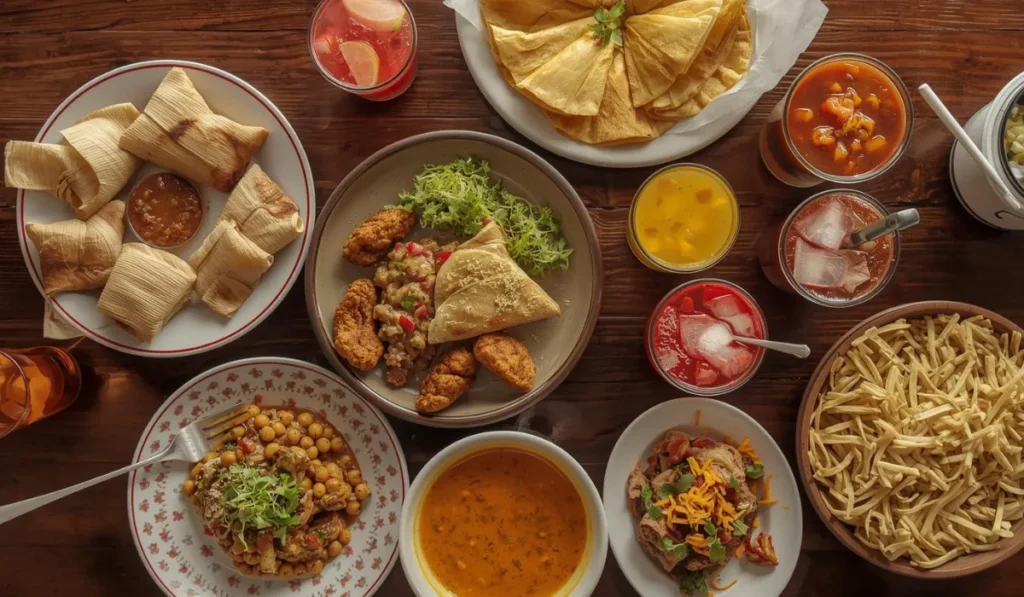
The capital is the epicenter of culinary experiences El Salvador has to offer. Food tours, pupusa classes, coffee tastings, and market visits are all concentrated here. The historic center, with its restored plazas and the National Library, provides a walkable backdrop for food exploration. If you’re planning to base yourself here, this guide to car rental in San Salvador covers the logistics of getting around the city and beyond.
Culinary Experiences in Santa Ana
Santa Ana, El Salvador’s second-largest city, offers a more local pace. The city has a strong restaurant scene, and the nearby Santa Ana volcano and coffee farms make it a natural base for combining gastronomy with outdoor adventure. For a broader look at what to see and do, see the 10 best tourist places in Santa Ana.
Culinary Experiences Along the Ruta de las Flores
The Ruta de las Flores is a 36-kilometer stretch of colonial towns and coffee farms in the western highlands. Each town has its own culinary character. For a town-by-town breakdown, see towns on the Flower Route: a guide to traveling it.
Nahuizalco is home to one of the largest indigenous populations in the western region. Its weekend street market is a women-led enterprise where farmers sell fresh produce, flowers, and handicrafts.
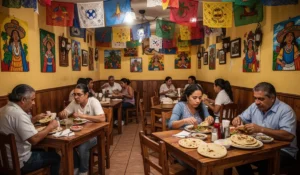
Juayúa hosts the famous Juayúa Food Festival every weekend. The central park transforms into an open-air food fair with grilled meats, seafood ceviche, pupusas, and traditional desserts. Vendors cook fresh, and the atmosphere is casual and lively. Arrive before the lunch crowd, bring small bills, and ask for dipping sauce—the stalls don’t always offer it unless you request.
Apaneca sits at the highest elevation on the route, surrounded by coffee farms. It’s a quiet town with cooler air and easy access to farm tours.
Concepción de Ataco is known for its colorful murals and coffee culture. The town’s open-air gallery of murals makes it a pleasant place to walk between coffee tastings.
Salcoatitán passes by with a giant ceiba tree and a mosaic dedicated to Quetzalcóatl, the feathered serpent deity of Mesoamerican tradition.
For a broader overview of the route’s towns, this guide to the magical towns of El Salvador is a helpful companion.
Culinary Experiences in Suchitoto
Suchitoto, a colonial town near Lake Suchitlán, offers a quieter culinary scene. Local restaurants serve traditional Salvadoran dishes in a setting that feels far removed from the capital’s pace. It’s a good option for travelers who want to combine gastronomy with colonial architecture and lake views. For more on why Suchitoto is worth the detour, see 10 reasons to experience colonial tourism in Suchitoto.
Coffee Experiences in the Salvadoran Highlands
The highlands around Apaneca, Ataco, and Santa Ana produce some of Central America’s finest coffee. The Pacamara varietal, a cross between Pacas and Maragogype, is a Salvadoran specialty known for its large beans and complex flavor. Farm tours range from quick one-hour visits to full-day experiences with cupping sessions and meals.
How to Get Around El Salvador for Culinary Experiences
El Salvador is small—roughly the size of Massachusetts—but getting between culinary destinations without a car can be challenging. Public buses connect major towns, but schedules are limited, and many coffee farms and rural markets are not easily accessible by public transport. For a general overview of safe travel practices, see safe tourism in El Salvador.
Organized tours offer convenience but often follow fixed schedules and may spend more time driving than tasting. Private transportation sits in the middle: more flexible than group tours, but still dependent on a driver’s availability.
Why Renting a Car Can Make Food Experiences Easier
Having your own vehicle transforms the culinary travel experience. You can arrive at Juayúa’s food festival before the crowds, linger at a coffee farm without watching the clock, and detour to a roadside pupusería that catches your eye.
A rental car also makes it feasible to combine multiple culinary destinations in a single day—something that is difficult with public transport or fixed tours. You can base yourself in one town and explore the surrounding food scene at your own pace. If you’re considering a larger vehicle for highland roads, there are 4×4 car rental options in El Salvador worth reviewing.
Carvi offers car rentals designed for travelers who want this kind of freedom. With no deposit required, insurance included, and unlimited mileage, Carvi removes some of the common friction points of renting a car abroad. They offer delivery to the airport, hotels, or other convenient points, making it easy to start your culinary road trip as soon as you land. If you’re comparing rental models, this overview of car rental models may help. For travelers without a credit card, there are also car rental options without a credit card in El Salvador, and if you prefer to avoid a deposit entirely, see car rental in El Salvador without a deposit.
🚗 Explore El Salvador at your own pace with Carvi. Book your rental car and enjoy more freedom to discover food tours, coffee farms, local markets and authentic culinary experiences.
Traditional Salvadoran Foods to Try During Your Culinary Experience
Pupusas
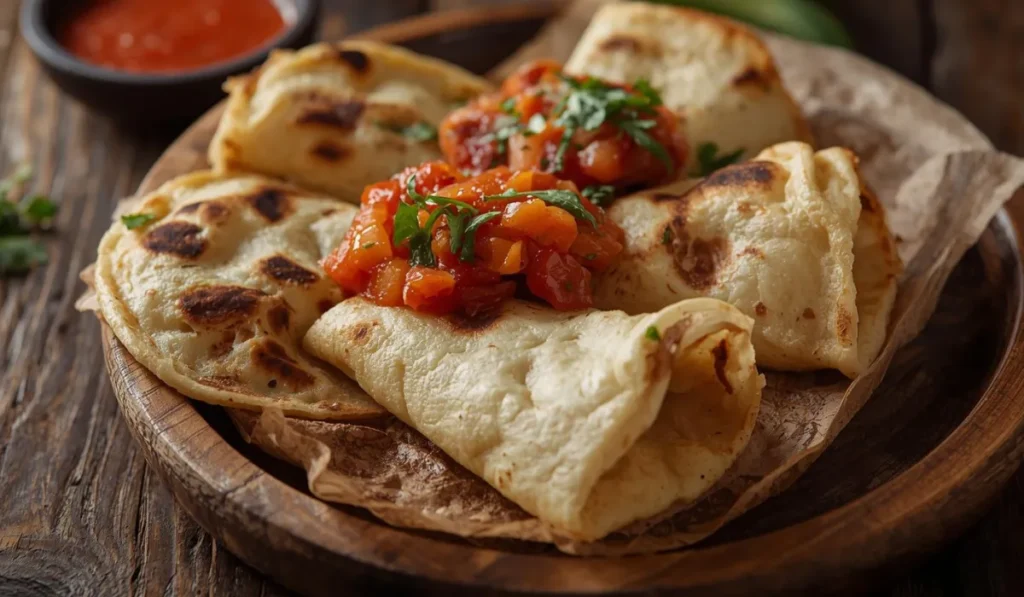
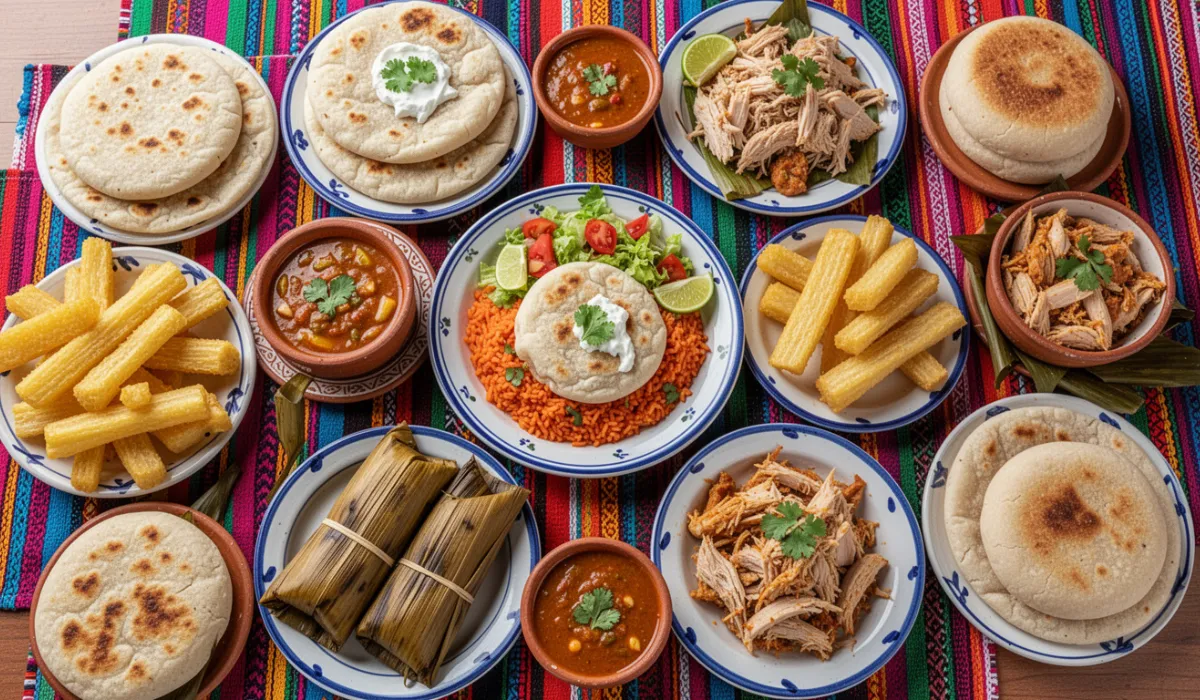
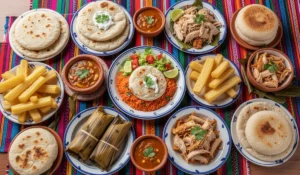
The national dish. A thick corn tortilla filled with cheese, beans, chicharrón, or a combination (revuelta), cooked on a griddle and served with curtido (pickled cabbage slaw) and tomato salsa. Prices range from $0.25 to $0.75 each. Queso con loroco—cheese with the edible loroco flower bud—is a popular vegetarian option.
Tamales
Salvadoran tamales come in several varieties. Tamales de elote are made with sweet corn and are often eaten for breakfast. Savory tamales with chicken or pork are wrapped in banana leaves and steamed.
Yuca
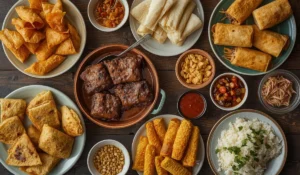
Yuca frita (fried cassava) is served with chicharrón and curtido. It is a hearty, satisfying snack found at street stalls and traditional eateries throughout the country.
Salvadoran Soups
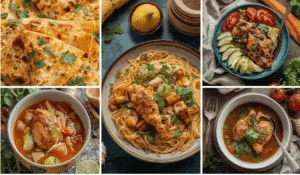
Sopa de res (beef soup) and other hearty soups are common, especially in cooler highland towns. Ingredients are locally sourced, and the flavors are deep and comforting.
Traditional Salvadoran Desserts
Quesadilla salvadoreña is a dense cheese cake made with rice flour, cinnamon, and anise. Nuégados de yuca are fried cassava balls drizzled with panela syrup. Sweet tamales made with young corn are popular during festivals.
Salvadoran Coffee
El Salvador’s coffee is a source of national pride. The Pacamara varietal is internationally recognized. A cup of specialty coffee in a San Salvador café costs about $1–2, while a farm tour with cupping offers a deeper understanding of what goes into each cup.
Traditional Drinks
What Is Included in a Culinary Experience in El Salvador?
Horchata salvadoreña is made with morro seeds, giving it a distinct nutty flavor different from the Mexican version. Atol de elote is a warm, sweet corn drink. Tamarindo offers a sweet-and-sour refreshment.
Most food tours and cooking classes include the essentials: ingredients, instruction, tastings or full meals, and a local guide. Hotel pickup is common for cooking classes but less so for walking tours. Coffee farm tours vary widely—some include cupping and lunch, others are basic walks.
Private experiences offer more customization and flexibility. Small-group experiences are more affordable and social. The right choice depends on your budget, travel style, and how much personal attention you want.
How Much Do Culinary Experiences in El Salvador Cost?
Food tours in San Salvador start around CN¥160–215 per person for a three-hour experience with tastings. Pupusa-making classes range from CN¥427 for a basic session to CN¥915 for a private class with hotel pickup and a full meal. Coffee farm tours range from about $6 for a one-hour traditional tour to $25 for a three-hour Integral tour with cupping and lunch. Full-day Ruta de las Flores tours with coffee stops run roughly $93–140 per person, though meals are often not included.
How to Choose the Best Culinary Experience in El Salvador
Choose based on location. If you’re based in San Salvador, a food tour or pupusa class is the easiest option. If you’re heading to the Ruta de las Flores, prioritize coffee farm experiences and the Juayúa Food Festival.
Choose between a food tour and a cooking class. A food tour is for tasting and discovery. A cooking class is for learning and doing. Both are worthwhile, but they serve different travel styles.
Private vs. group. Private experiences cost more but offer flexibility and personal attention. Group experiences are more affordable and can be more social.
Families and couples. Pupusa classes work well for families with children. Coffee farm tours and food festivals suit couples looking for a relaxed day. For family-friendly dining options beyond tours, see these family restaurants in El Salvador.
Dietary restrictions. Always communicate allergies or restrictions in advance. Some experiences are not suitable for gluten-free or vegetarian travelers, so confirm before booking.
How to Plan a Culinary Trip Around El Salvador
Combine San Salvador with Santa Ana. Start with food tours and pupusa classes in the capital, then move west to Santa Ana for a slower pace and access to coffee country.
Explore the Ruta de las Flores. Plan at least one full day for the route. If your visit includes a weekend, prioritize Juayúa for the food festival. For a broader set of route ideas, see these gastronomic routes in El Salvador.
Visit coffee-growing regions. A coffee farm tour adds depth to your understanding of Salvadoran agriculture and culture. Ataco and Santa Ana are the most accessible bases.
Plan around your accommodation. Reduce unnecessary driving by grouping activities by region. Stay in San Salvador for urban food experiences, then relocate to the Ruta de las Flores for coffee and market days.
Rent a car for more flexibility. A vehicle makes it possible to combine multiple culinary destinations in one trip without relying on tour schedules. You can visit a coffee farm in the morning, stop at a market town for lunch, and reach Juayúa for the afternoon food festival—all in one day. For a full overview of rental options across the country, see car rental El Salvador.
🚗 Planning to explore more than one culinary destination? Rent a car with Carvi and enjoy the freedom to travel around El Salvador at your own pace.
Tips for Enjoying Culinary Experiences in El Salvador
Book popular experiences in advance. Pupusa classes and coffee farm tours with limited capacity fill up, especially on weekends.
Try local food beyond pupusas. Yuca frita, tamales, and traditional soups are equally rewarding.
Visit local markets. The Central Market in San Salvador and the weekend street markets along the Ruta de las Flores offer authentic food experiences.
Bring cash for small local businesses. Many market stalls and street vendors only accept cash.
Ask about dietary restrictions. Inform guides or instructors in advance about allergies or dietary needs.
Plan transportation between destinations. Public transport is limited in rural areas. A rental car or organized tour solves this. If you’re concerned about coverage, here’s information on theft insurance for car rentals in El Salvador.
Be open to trying new foods. The best culinary experiences often come from saying yes to something unfamiliar.
Frequently Asked Questions About Culinary Experiences in El Salvador
What are the best culinary experiences in El Salvador?
The most popular include pupusa-making classes, food tours through San Salvador’s historic center, coffee farm tours in the Ruta de las Flores, and the Juayúa Food Festival on weekends.
What food is El Salvador famous for?
Pupusas are the national dish. Other staples include yuca frita, tamales, and traditional soups. Salvadoran coffee is also internationally recognized.
Where can I take a food tour in El Salvador?
San Salvador offers the widest range of food tours, typically covering the historic center and Central Market. The Ruta de las Flores offers a more rural, town-based food experience.
Can I take a pupusa-making class in El Salvador?
Yes. Private pupusa classes are widely available in San Salvador, typically lasting about two and a half hours and including ingredients, instruction, and a full meal.
Where can I experience Salvadoran coffee?
The Ruta de las Flores and the highlands around Santa Ana are the primary coffee regions. Finca El Carmen in Ataco and Finca La Esperanza near Santa Ana are well-regarded options.
What traditional foods should I try in El Salvador?
Beyond pupusas: yuca frita, tamales de elote, quesadilla salvadoreña, nuégados de yuca, and horchata salvadoreña.
Are culinary experiences in El Salvador available in English?
Most tour operators and cooking class instructors offer English-language experiences. Confirm when booking.
Is renting a car useful for exploring culinary experiences in El Salvador?
Yes. A rental car makes it much easier to visit coffee farms, rural markets, and food festivals that are not well served by public transport.
Can I rent a car in El Salvador without a deposit?
Carvi offers rental options with no deposit required, insurance included, and unlimited mileage. Delivery to the airport, hotel, or other points is available.
Plan Your Culinary Adventure in El Salvador
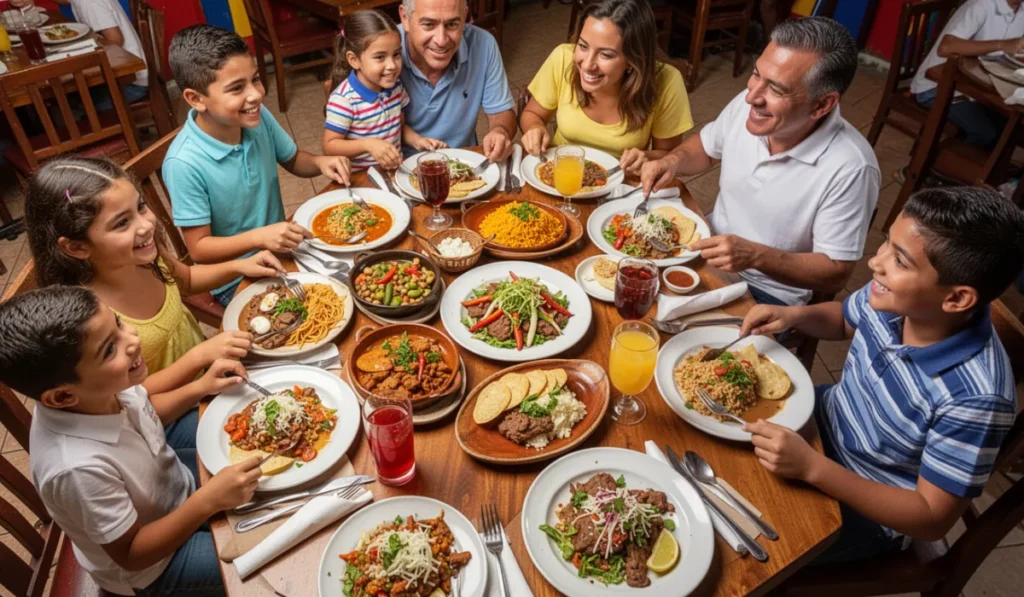
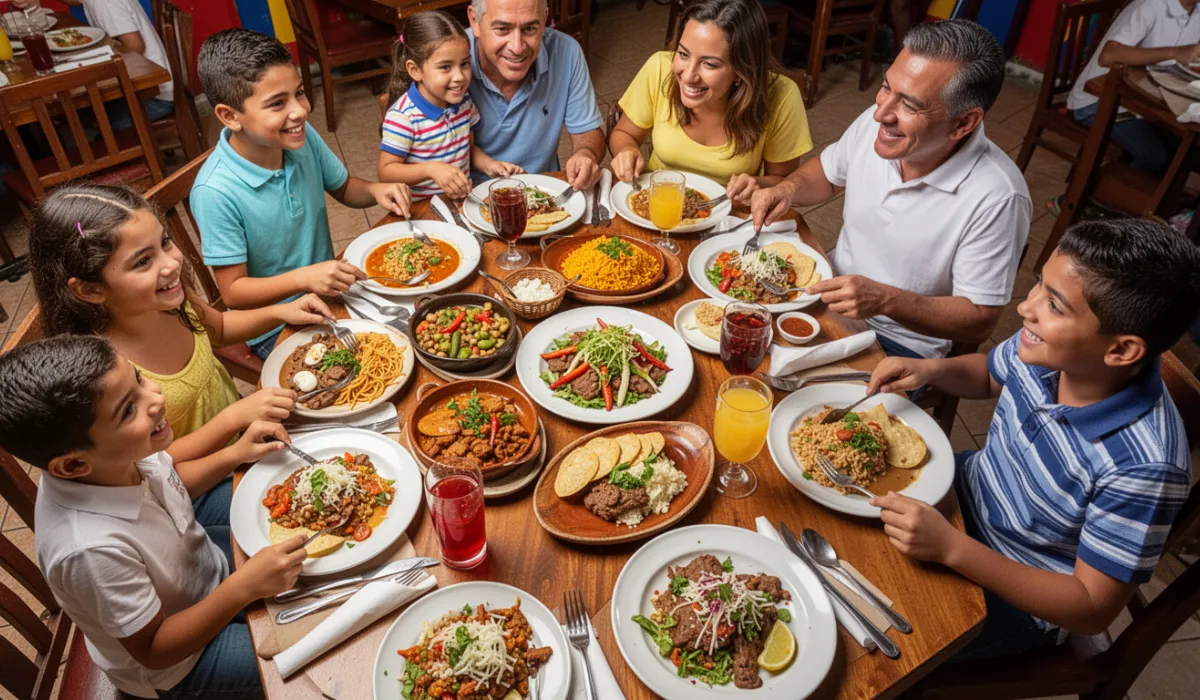
The culinary experiences El Salvador offers are more than meals—they are windows into a culture built on corn, coffee, and community. From the sizzle of a pupusa on a comal to the quiet ritual of a coffee cupping on a volcanic slope, each experience connects you to the people and places that define Salvadoran food.
Don’t limit yourself to tourist restaurants. Seek out the markets, the family kitchens, and the farms. Combine food with culture, and let the country’s flavors guide your itinerary. If you want to explore beyond the plate, these tourist attractions in El Salvador and this guide to tourist places in El Salvador can help you build a broader itinerary around your culinary stops.
🚗 Ready to discover El Salvador through its food?
Explore food tours, local markets, coffee farms, traditional restaurants and authentic culinary experiences while traveling at your own pace.
Rent your car with Carvi and enjoy no deposit, insurance included and unlimited mileage.
👉 Book your rental car with Carvi
Share this content:
Post Comment