- What is Gastronomic Tourism in El Salvador?
- Why El Salvador is an Ideal Destination for Gastronomic Tourism
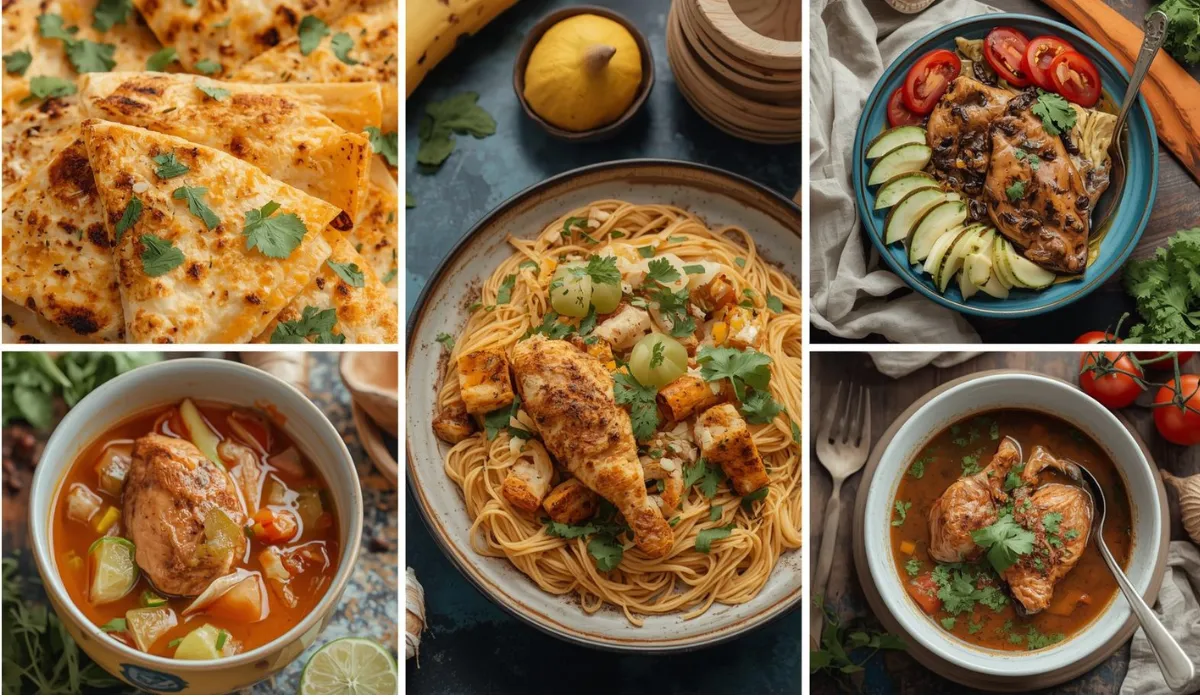
- Typical Dishes That Drive Gastronomic Tourism in El Salvador
- Gastronomic Tourism Routes in El Salvador
- Key Destinations for Gastronomic Tourism in El Salvador
- How to Get Around El Salvador to Enjoy Gastronomic Tourism
- Carvi: A Comfortable and Secure Way to Explore Gastronomic Tourism in El Salvador
- Festivals and Events That Strengthen Gastronomic Tourism in El Salvador
- Authentic Gastronomic Experiences for Tourists
- Sustainable Gastronomic Tourism in El Salvador
- Tips for Planning a Gastronomic Tourism Trip to El Salvador
- The Future of Gastronomic Tourism in El Salvador
- Conclusion: Experience Gastronomic Tourism in El Salvador Without Complications
Have you ever imagined a journey where every bite is a chapter of history and every road leads to a new flavor? El Salvador invites you to live an immersive gastronomic experience that goes far beyond restaurants. From the aromatic smoke of the pupusódromos to the tables of internationally recognized fine dining, this small country offers a vibrant culinary mosaic that reflects its indigenous, mestizo, and coastal heritage. This article is your definitive guide to exploring gastronomic tourism in El Salvador, discovering iconic dishes, thematic routes, and practical tips for a journey full of flavor, culture, and freedom.
Before exploring El Salvador’s gastronomic tourism, plan your mobility. With Carvi, you can rent a car online in minutes and comfortably visit every culinary destination.
👉 Book your car with Carvi and enjoy your food tour without limits!
What is Gastronomic Tourism in El Salvador?
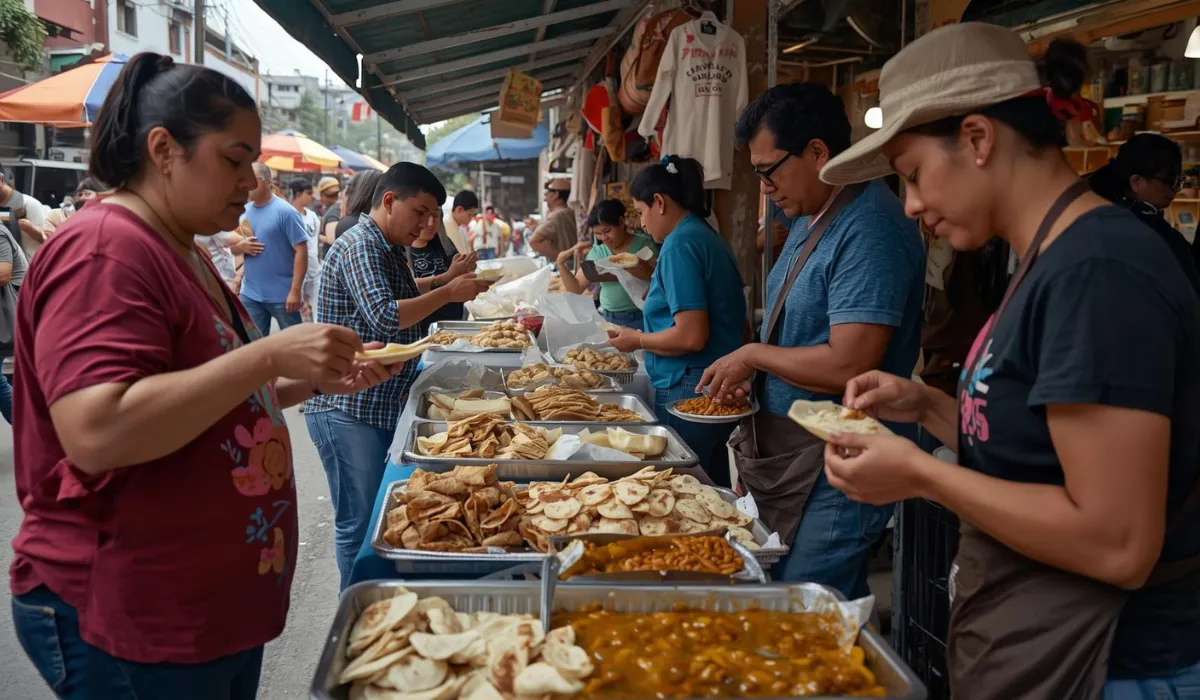
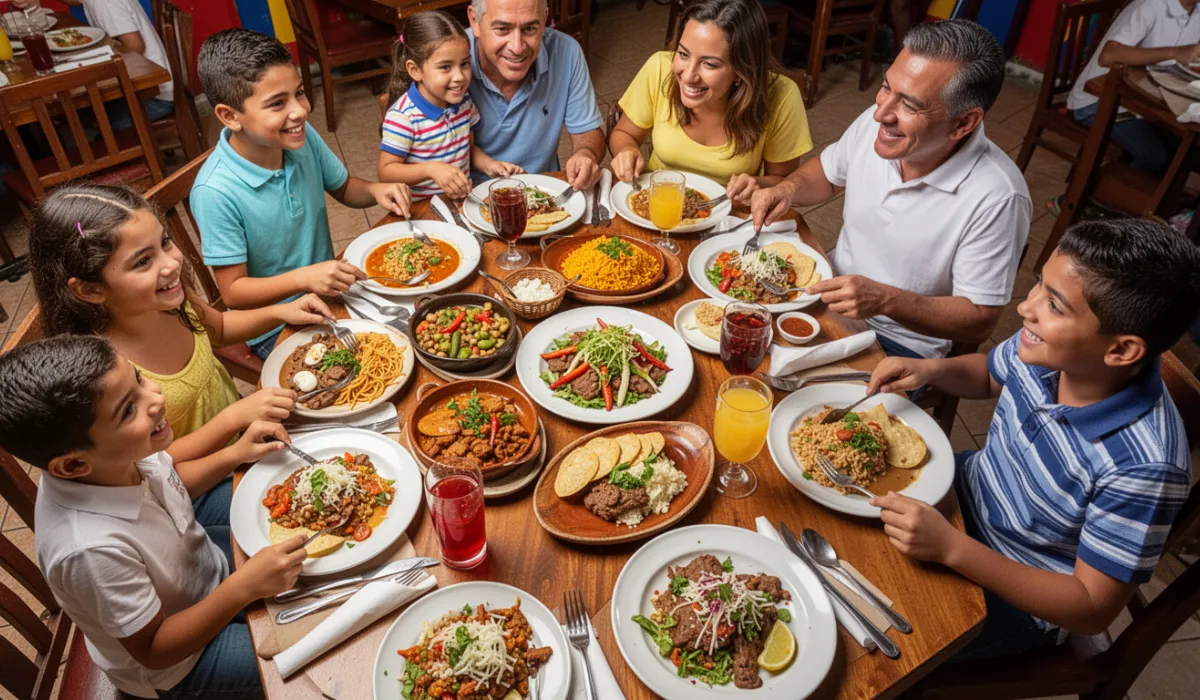
Gastronomic tourism in El Salvador is a sensory immersion that connects travelers with the country’s cultural identity through its food. It’s not just about trying dishes, but about understanding their origin, preparation, and social significance. Salvadoran cuisine, with corn as its fundamental pillar, is the result of a rich fusion between pre-Hispanic ingredients and techniques brought by the Spanish. Each dish tells a story, turning culinary exploration into an authentic and profound way to know the soul of the country and its people.
Why El Salvador is an Ideal Destination for Gastronomic Tourism
El Salvador offers exceptional conditions for gastronomic tourism. It provides an impressive culinary diversity in a small territory, where in a few hours you can go from tasting rice pupusas in La Paz to enjoying fresh seafood in La Libertad. This offering is enriched by a living tradition and a palpable indigenous heritage in ancestral techniques like the nixtamalization of corn. The relationship between food, culture, and tourism is intrinsic: in 2025, the country received around 4.1 million visitors, many attracted by authentic experiences, generating more than $3.5 billion in foreign currency for the local economy.
Typical Dishes That Drive Gastronomic Tourism in El Salvador
Pupusas: The Emblem of Salvadoran Cuisine
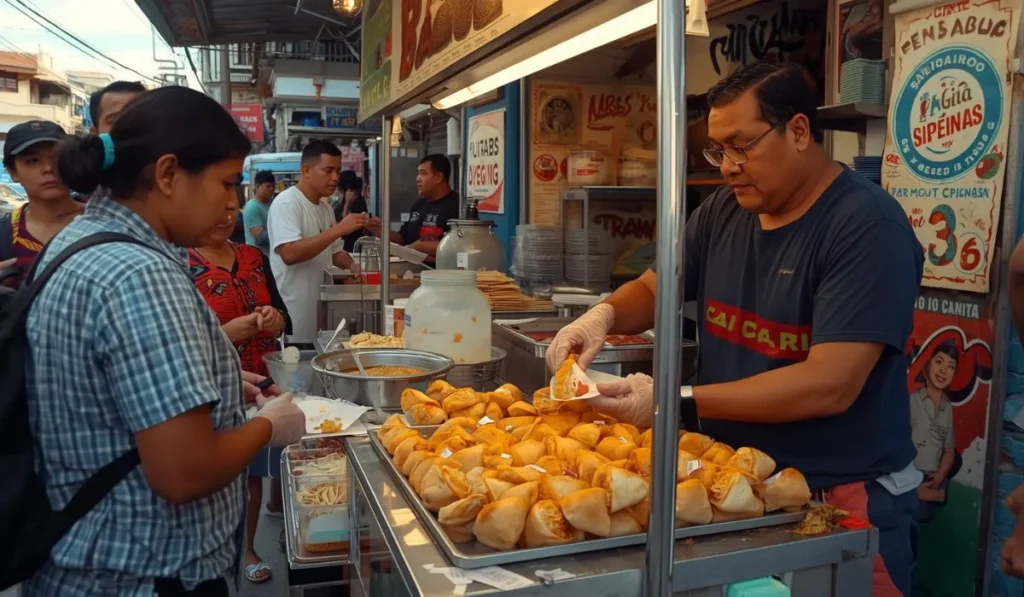
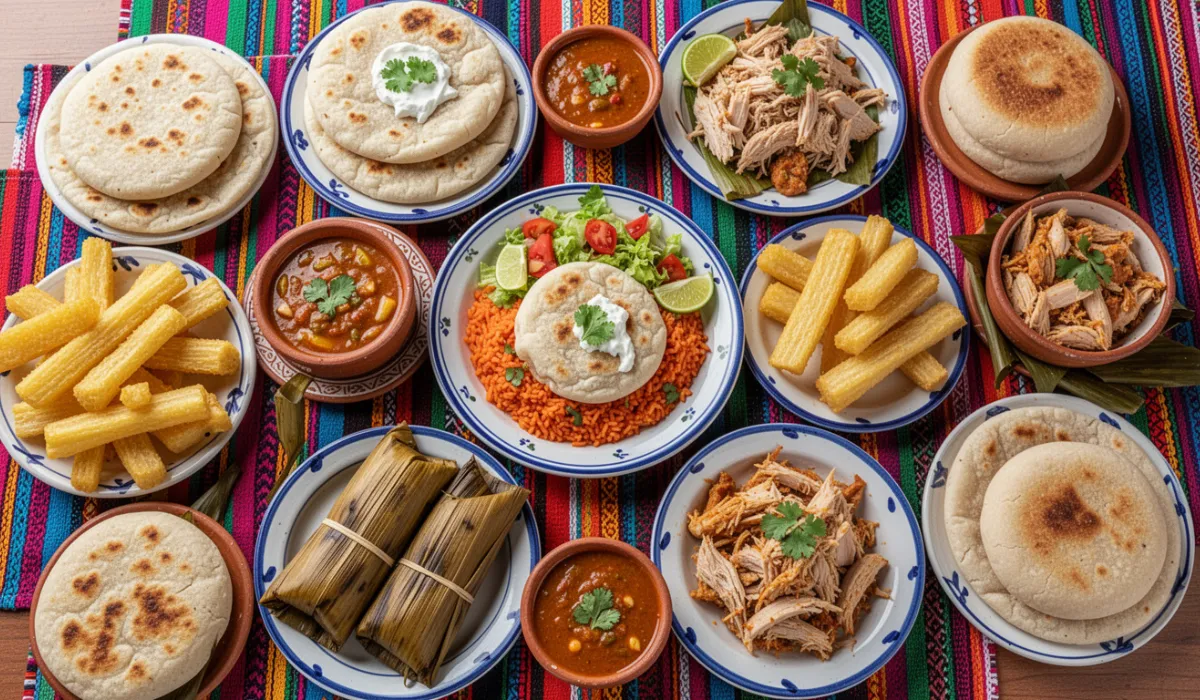
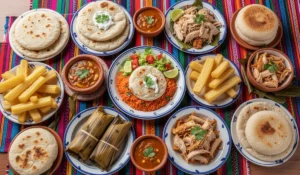
Declared the national dish in 2005, pupusas are the soul of Salvadoran food. These thick tortillas made from corn or rice dough, stuffed and cooked on a comal, have Mesoamerican origins. The rice pupusa, with its unique texture, has its Geographical Indication in Olocuilta, La Paz. You must try the classic revuelta (cheese, beans, pork), the aromatic queso con loroco, and the flavorful chicharrón. They are always accompanied by curtido (fermented salad) and tomato sauce.
Fried Yuca and Boiled Yuca
Yuca (cassava) is the base of this hearty dish. It is served fried until golden or boiled, accompanied by crispy pork chicharrón and a fresh chimol (cabbage, tomato, and cilantro salad) to balance the flavors. It is a quintessential market and roadside food.
Tamales, Atole, and Traditional Sweets
Salvadoran tamales are distinguished by being steamed wrapped in plantain leaves, which give them a unique aroma. They are filled with chicken, pork, or beans (“tamal pisque“). Atole, hot corn-based drinks, and sweets like plantain empanadas filled with sweet custard complete this chapter of sweet and traditional flavors.
Seafood and Coastal Food
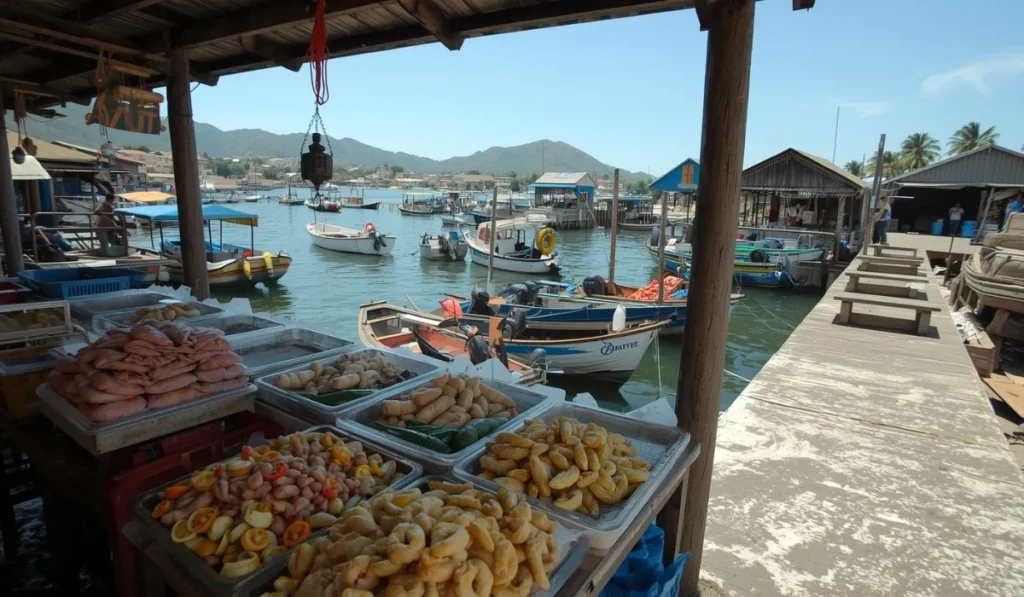
The Pacific coast offers a fusion of typical flavor with the fruits of the sea. Must-tries include pupusas with dried shrimp or curiles, shrimp or clam cocktails prepared on the spot with lime and cilantro, and whole fried fish served with freshly made tortillas. For the freshest product, look for stalls next to fishing coves.
Gastronomic Tourism Routes in El Salvador
| Route | Gastronomic Specialty | Key Experience | Iconic Destination |
|---|---|---|---|
| Pupusa Route | Rice pupusas with Geographical Indication. | Visiting a “pupusódromo” and trying unique varieties. | Olocuilta, La Paz. |
| Flower Route | Author cuisine, specialty coffee, and elevated typical food. | Lunch in Juayúa, coffee in a forest in Ataco. | Juayúa and Concepción de Ataco. |
| Pacific Coastal Route | Ultra-fresh seafood and fish. | Eating ceviche or fried fish facing the sea. | Puerto de La Libertad and El Tunco. |
Flower Route: This winding road through the Apaneca-Ilamatepec mountain range connects picturesque towns like Juayúa and Ataco. It is a paradise for the senses, where gastronomy mixes with coffee plantation landscapes. We recommend Tayua Bosque in Ataco for specialty coffee in the middle of nature, R&R Restaurant in Juayúa for its recipes with natural ingredients, and Casa 1800 in Ataco for a complete colonial experience.
Key Destinations for Gastronomic Tourism in El Salvador
San Salvador
The capital concentrates the most diverse offerings. For an authentic experience, visit the Central Market. There, stalls like Las Delicias de Mi Pueblo offer unbeatable rice pupusas, while in the Alameda Roosevelt area you can try authentic atol de elote. There is also a developing fine dining scene with restaurants seeking international recognition.
Ruta de las Flores
It is the star destination for combining cultural and gastronomic tourism. In addition to the restaurants already mentioned, on weekends the towns fill with gastronomic fairs (especially in Juayúa) where traditional dishes are served in a festive atmosphere. It is the ideal route to extend your stay and work remotely while enjoying the cool climate and landscapes.
La Libertad and the Pacific Coast
The La Libertad boardwalk is a spectacle in itself. You can buy fresh fish directly from the fishermen and take it to one of the many restaurants to have it prepared (“cooked on the spot”). Beaches like El Tunco and El Sunzal complement the experience with vibrant nightlife and offerings for surfers.
Eastern Region
Regions like Usulután are being promoted for nature tourism, which also includes its culinary offerings. The eastern part of the country promises more local and less massified flavors, with specialties based on local land and sea products.
How to Get Around El Salvador to Enjoy Gastronomic Tourism
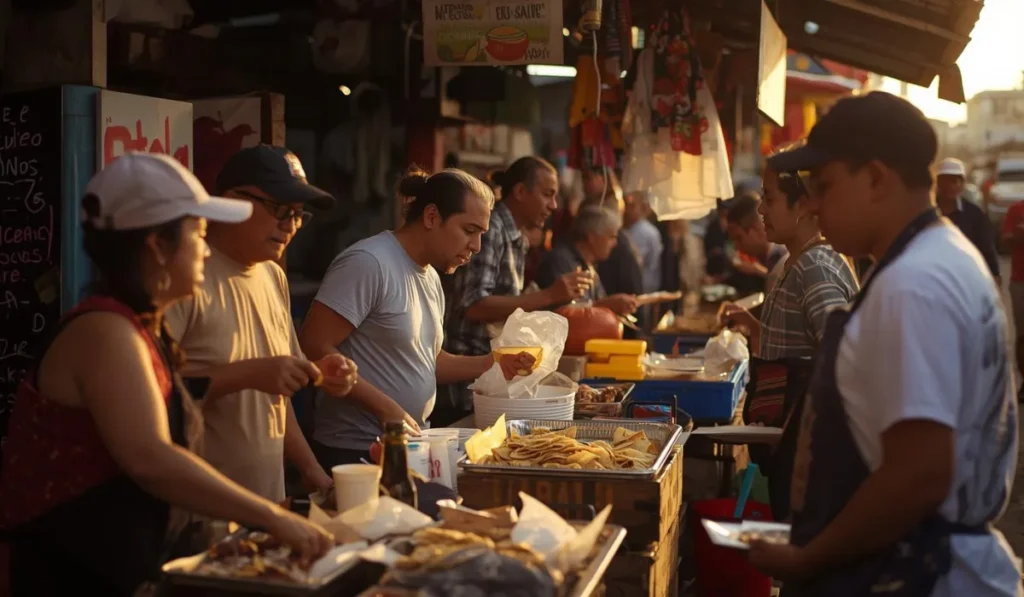
Flexibility is key for gastronomic tourism. While public transportation connects cities, culinary treasures are often on detours or in towns. Therefore, renting a car is undoubtedly the best option. It allows you to follow your instinct, stop at that stall with a line of locals, and create a completely personalized itinerary. For a hassle-free experience, 100% digital platforms like Carvi offer a modern solution that eliminates barriers like high security deposits.
Carvi: A Comfortable and Secure Way to Explore Gastronomic Tourism in El Salvador
Carvi is an application that operates as the “Airbnb of cars,” connecting travelers directly with local hosts who rent their vehicles. It is the ideal solution for the gastronomic traveler for several key reasons:
- Total Freedom and No Deposits: Unlike traditional agencies that can hold up to $3,000 dollars on your card, Carvi does not require a security deposit. This frees up your budget to enjoy the food.
- 100% Digital and Fast Process: You can reserve your car in just 3 minutes from the app, without physical paperwork. You only need your driver’s license and passport.
- Security and Transparency: Each reservation includes insurance with coverage from $599 to $50,000 dollars, with a clear deductible of $500 in case of an incident. The price you see is final.
- Flexible Delivery: You coordinate directly with the host to receive the car wherever is most convenient for you: airport, hotel, etc.
With Carvi, you have the key to discovering El Salvador’s gastronomic secrets at your own pace, safely and without bureaucratic complications.
Festivals and Events That Strengthen Gastronomic Tourism in El Salvador
The Salvadoran calendar is dotted with celebrations that are a feast for the palate. Towns like Juayúa on the Flower Route are famous for their gastronomic fairs on weekends, where typical and creative dishes are served. Nationally, festivals dedicated to emblematic ingredients, like corn and pupusas, are celebrated. The arrival of the international club Fine Dining Table has raised the bar, organizing a Grand Gastronomic Gala in April 2026 where restaurants that best represent local identity with excellence will be distinguished. These types of events not only attract tourists but position the country on the world map of fine dining.
Authentic Gastronomic Experiences for Tourists
To experience the essence, you must go beyond the restaurant:
- Local Markets: The San Salvador Central Market or the Mercado del Mar are living classrooms of gastronomy. Observe, smell, taste, and chat with the vendors.
- Traditional Kitchens and Pupusódromos: Look for concentrations of pupusa stalls. Sitting on a wooden bench watching pupusas being prepared artisanally is a cultural spectacle.
- Experiences with Entrepreneurs: Modern tourism seeks to connect with the destination and its customs in quality environments. This opens doors to workshops with traditional cooks, coffee tastings on family farms, or private dinners with local chefs—experiences that generate a direct and positive economic impact on communities.
Sustainable Gastronomic Tourism in El Salvador
This culinary journey can and should be responsible. Supporting local producers is its pillar: choosing restaurants that buy directly from markets or farms ensures your money benefits the productive chain. Conserving traditional recipes is another mission; every time you choose an authentic dish, you contribute to keeping a heritage alive. The positive impact multiplies: gastronomic tourism generates skilled employment, promotes specialized agriculture and responsible artisanal fishing, and encourages young people to value and professionalize the cuisine of their land. Initiatives like the Tourism Business Strengthening Program by CORSATUR seek precisely to train and improve the quality of micro and small businesses in the sector.

Tips for Planning a Gastronomic Tourism Trip to El Salvador
- Best Time: The dry season (from November to April) is ideal for traveling roads. However, gastronomic festivities usually take place throughout the year.
- Budget and Planning: Food on the road is very accessible. A pupusa can cost between $0.70 and $1.00, and a main dish in a local restaurant rarely exceeds $15. Plan short routes to be able to make several stops.
- Recommendations for Foreign Tourists: Do not be afraid of street stalls with a good flow of locals; that’s where the magic is. Carry cash in dollars (the official currency) for markets and informal sales. Using a car rental service like Carvi will give you the freedom to follow these recommendations without limitations.
The Future of Gastronomic Tourism in El Salvador
The horizon is promising. The global trend towards authentic and valuable experiences plays in the country’s favor. Innovation and digitalization are present, with platforms like Carvi simplifying mobility and the arrival of Fine Dining Table introducing international standards of quality and sustainability in fine dining. The sector’s growth is backed by state investment: CORSATUR’s 2026 budget exceeds $33 million, partly destined to promote gastronomic tourism specifically and to improve infrastructure in key destinations. El Salvador is not only on the gastronomic map, but it is also drawing its own territory with the flavor of identity.
Conclusion: Experience Gastronomic Tourism in El Salvador Without Complications
Exploring El Salvador through its food is one of the richest and most satisfying ways to get to know its culture. It is a journey where corn transforms into history, markets buzz with life, and every encounter at a roadside stall can become an unforgettable memory. With simple planning and the freedom offered by a hassle-free rental car like Carvi’s, you have everything ready to embark on this adventure. El Salvador awaits you with its stoves lit and its flavors ready to tell you their story. Ready for the first bite?
Share this content:
Post Comment