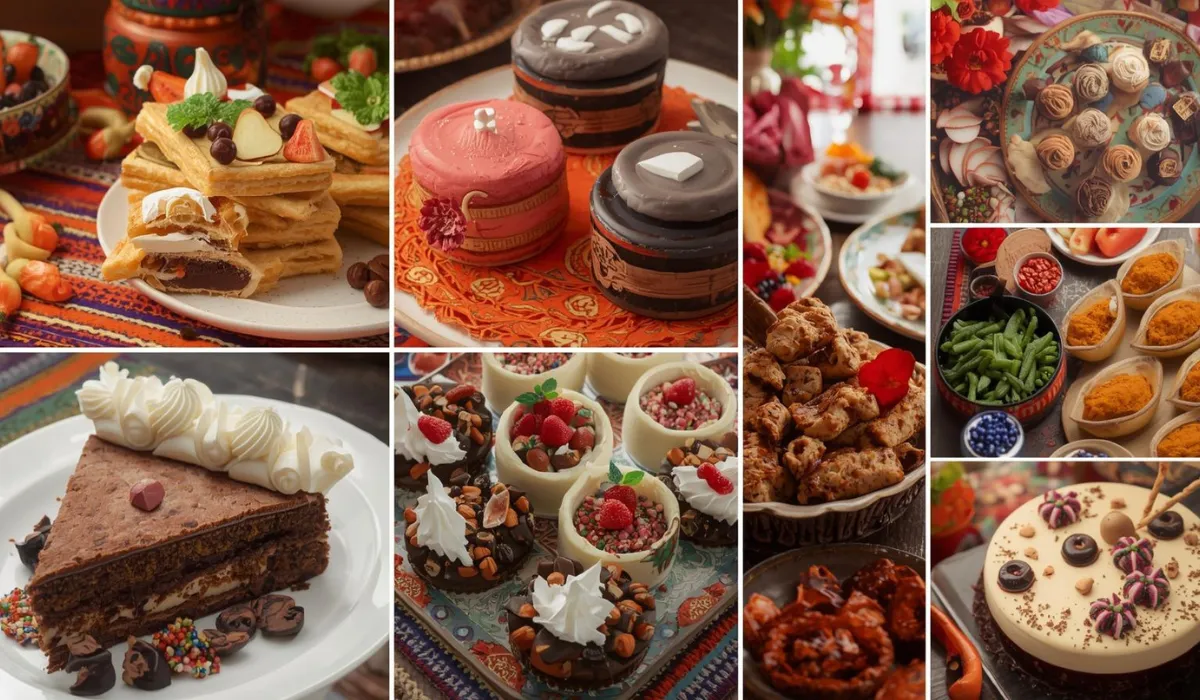
- Introduction: A Journey Through Salvadoran Sweet Heritage
- What Makes Traditional Desserts of El Salvador Unique?
- The 10 Essential Desserts of El Salvador
- 1. The Salvadoran Quesadilla: The King of National Desserts
- 2. Semitas: The Dessert of Simplicity
- 3. Atoles: Drinks That Are Dessert
- 4. Torrejas: The Quintessential Christmas Dessert
- 5. Salvadoran Dulce de Leche
- 6. Alfajores: The Arab Influence on the Salvadoran Table
- 7. Marquezote: Simple Elegance
- 8. Milk or Bean Empanadas: Sweet Versatility
- 9. Poleada: The Homemade Pudding
- 10. Tamal de Elote: Between Main Dish and Dessert
- Easy Recipe: How to Make Salvadoran Quesadilla at Home
- Where to Buy and Try These Desserts
- Conclusion: A Heritage That Sweetens National Identity
Traditional Salvadoran desserts are much more than just sweets: they represent the sweet essence of a culture rich in flavors and traditions. Each bite holds the story of a people, the creativity of its cooks, and the ingredients that have sweetened generations. Are you ready to explore this delicious culinary heritage and discover why these desserts have won over palates worldwide?
Explore El Salvador Sweetly — and With Total Freedom
If you’re planning a trip to El Salvador to taste all these traditional desserts, the best way to experience them is by having your own wheels.
With Carvi — an easy, 100% online car rental platform — you can book your car in minutes and travel comfortably from one bakery or market to the next.
👉 Rent Your Car with Carvi & Drive Your Sweet Adventure 🚗🍰
Introduction: A Journey Through Salvadoran Sweet Heritage
El Salvador’s rich culinary tradition finds its sweetest expression in a variety of desserts that are much more than simple sweets; they are cultural heritage, childhood memories, and the perfect finishing touch to any family meal. These traditional desserts of El Salvador represent a fusion of pre-Columbian indigenous influences, colonial ingredients, and the creativity of generations of Salvadoran cooks.
In this definitive guide, we will explore the flavors, textures, and stories behind the traditional desserts of El Salvador that have sweetened the lives of its people for centuries. From the iconic quesadillas to the comforting atoles, we invite you to discover why Salvadoran desserts are a unique gastronomic treasure in Central America.
What Makes Traditional Desserts of El Salvador Unique?
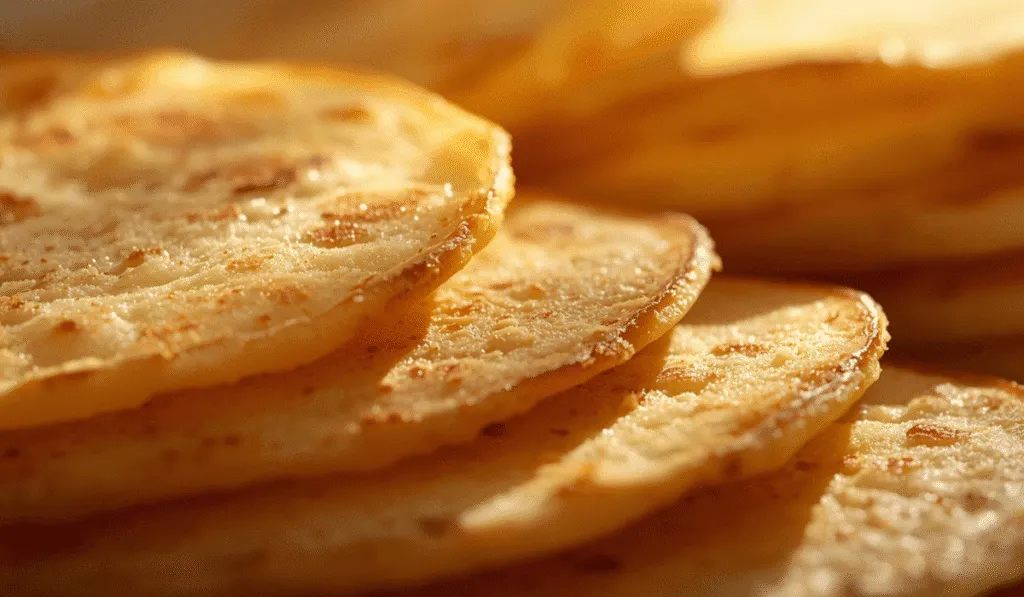
The uniqueness of the traditional desserts of El Salvador lies in their combination of native ingredients with techniques brought during colonization. Elements like corn, beans, morro seed, and tropical fruits blend harmoniously with products like milk, eggs, cheese, and cane sugar.
These desserts are often characterized by:
- A perfect balance between sweet and savory
- Textures ranging from fluffy to creamy
- The frequent use of local and economical ingredients
- Their close relationship with religious and family festivities
The 10 Essential Desserts of El Salvador
1. The Salvadoran Quesadilla: The King of National Desserts
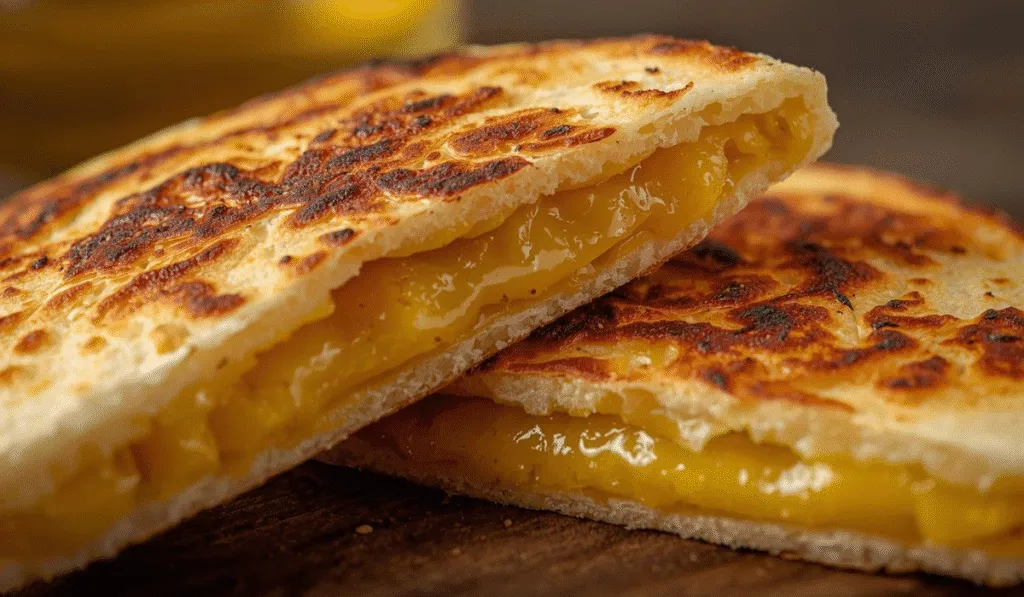
Contrary to what its name suggests, the Salvadoran quesadilla is not a stuffed tortilla, but a baked pancake or cake with a spongy texture and a slightly sweet-salty flavor. Its name comes from the main ingredient: cheese, typically a hard or fresh variety, which is mixed with rice or wheat flour, eggs, butter, and dairy.
History and fun facts:
This dessert has its roots in the colonial era, when nuns in convents developed sweet recipes. The Salvadoran quesadilla is particularly special because it uses salty cheese in a sweet preparation, creating a unique flavor contrast. It is traditionally consumed as a snack, accompanied by good coffee, and is a staple in bakeries across the country.
2. Semitas: The Dessert of Simplicity
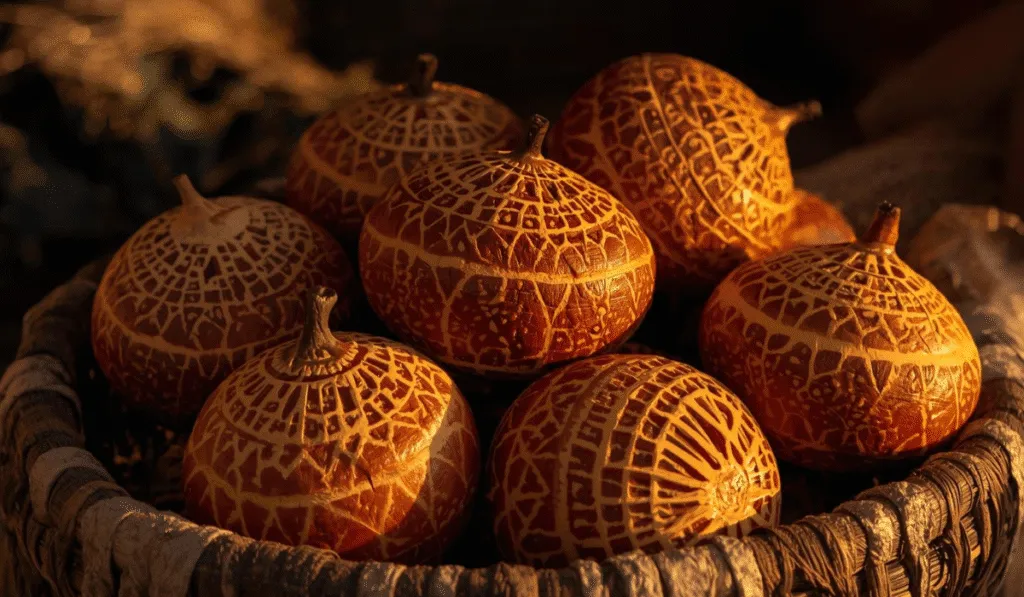
The semita is a dry sweet bread, often decorated with geometric figures on its surface. Unlike other sweet breads, the semita is drier and less cloying, making it perfect to accompany hot drinks. Its basic ingredients include wheat flour, butter, eggs, and sugar, with variants that incorporate honey or panela.
Origin and meaning:
The name “semita” has roots in the word “semita flour” or semolina flour, although over time the recipe evolved. This dessert represents the Arab-Spanish influence in Salvadoran baking and is especially popular during Lent and Holy Week.
3. Atoles: Drinks That Are Dessert
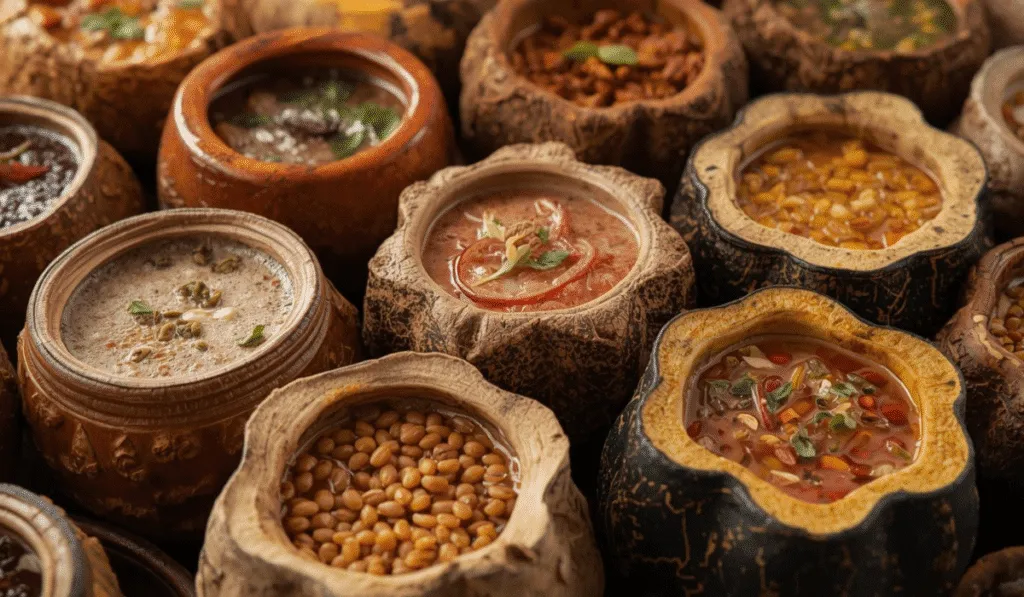
Atol is a thick, hot drink that is considered both a dessert and a food. Among the traditional desserts of El Salvador, atoles hold a special place for their versatility and deep pre-Hispanic roots.
Main varieties:
- Atol de elote: Made with ground tender corn, milk, cinnamon, and sugar
- Atol shuco: Dark-colored, made with fermented corn and morro seed
- Atol de piña: Prepared with fresh pineapple and corn dough
- Atol de chocolate: A more recent variant with cocoa
Atol is not just a drink; it is a comforting food consumed for breakfast, dinner, or as a snack, especially on cool nights.
4. Torrejas: The Quintessential Christmas Dessert
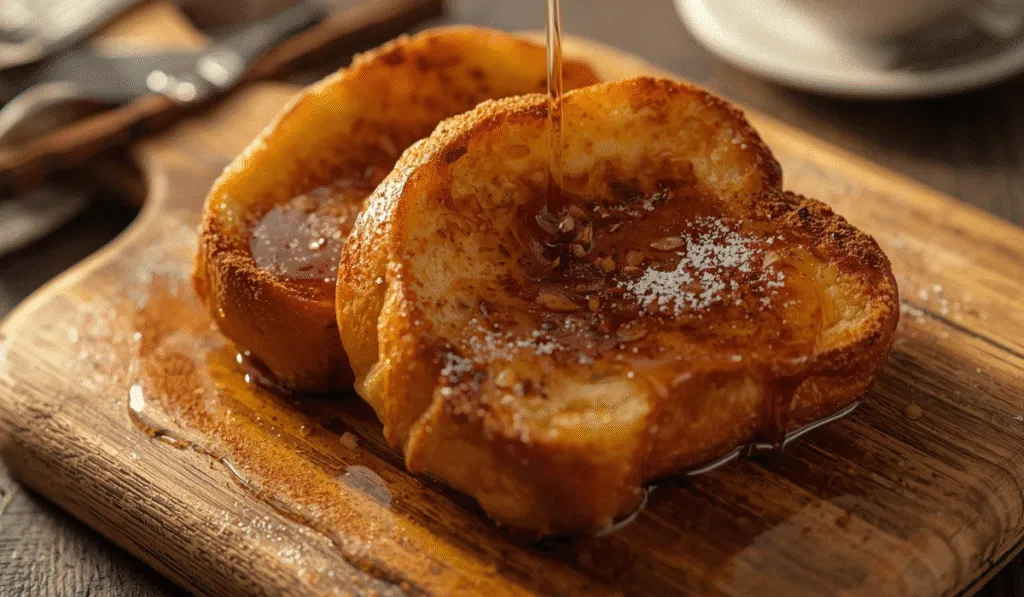
Similar to “French toast” but with their unique touch, torrejas are an essential Christmas dessert on Salvadoran tables. They consist of bread slices soaked in egg, fried, and bathed in a thick syrup of panela or piloncillo, flavored with spices like cinnamon, cloves, and sometimes orange.
Tradition and meaning:
Torrejas are deeply linked to Christmas and New Year’s celebrations. Their preparation marks the beginning of the festive season in many Salvadoran homes. The recipe varies by region, with some families adding rum or raisins to the mixture.
5. Salvadoran Dulce de Leche
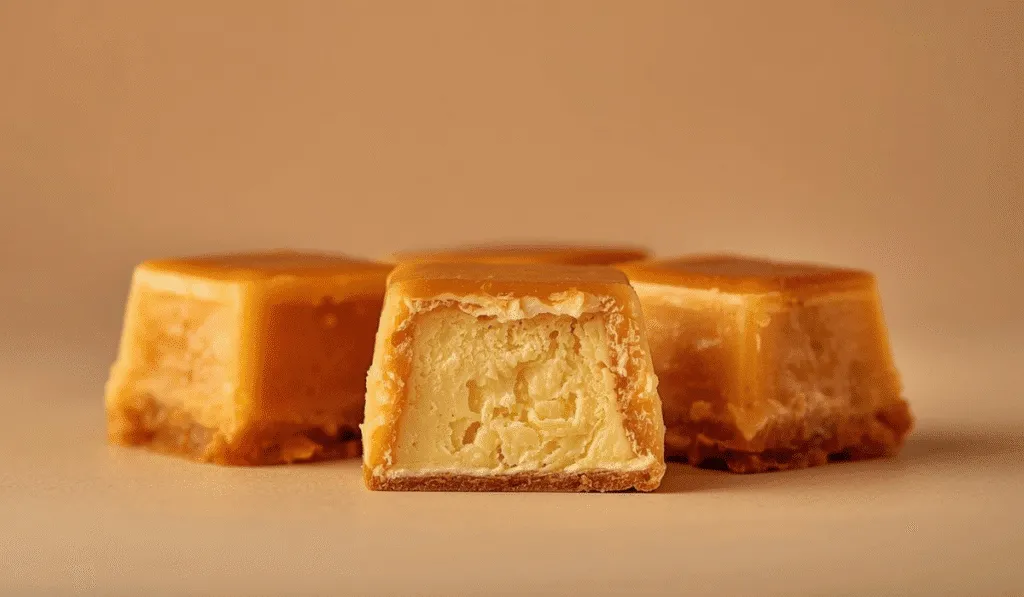
Although sharing its name with other Latin American sweets, Salvadoran dulce de leche has its own identity. It is prepared with milk, sugar, and baking soda, cooked over low heat until it reaches a thick consistency that is then left to solidify. The result is a sweet with a soft but firm texture, with a characteristic light brown color.
Unique characteristics:
Unlike Argentine dulce de leche, which is more liquid, or the Mexican version which is often more crystallized, the Salvadoran version finds a perfect balance, able to be cut into portions that maintain their shape but dissolve softly on the palate.
6. Alfajores: The Arab Influence on the Salvadoran Table
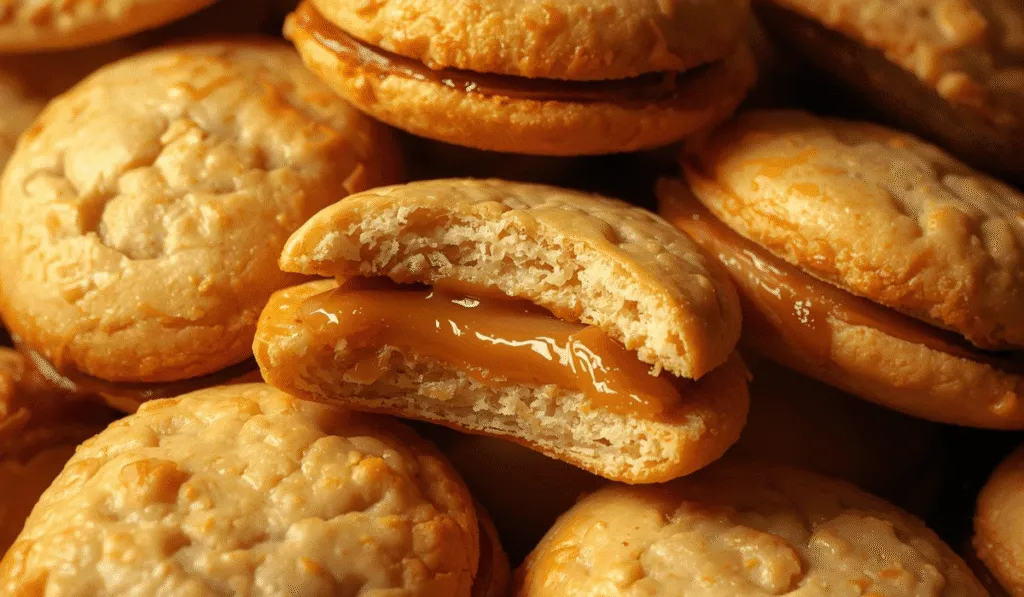
Salvadoran alfajores are stuffed cookies that clearly show the Arab heritage in the country’s baking. They consist of two layers of sweet, crumbly dough, joined by a filling of panela honey or dulce de leche, and sometimes sprinkled with shredded coconut or powdered sugar.
History and evolution:
This dessert arrived in El Salvador through Spanish influence, which in turn inherited it from the Arabs during the Moorish occupation of the Iberian Peninsula. Over time, Salvadorans adapted the recipe to their local ingredients, creating a distinctive version of this international sweet.
7. Marquezote: Simple Elegance
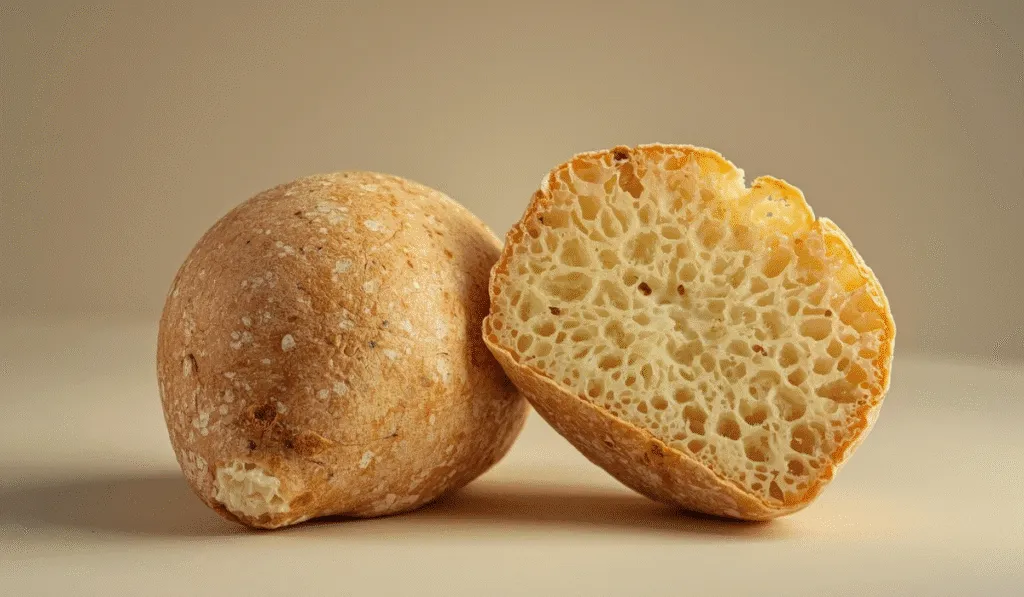
Marquezote is a baked cake with a light, slightly moist texture, made with eggs, sugar, and rice or corn flour. Its name possibly comes from the term “marquesote,” which denoted a fine biscuit in 17th century Spain.
Preparation and consumption:
What distinguishes the Salvadoran marquezote is its slow baking in a clay mold, which gives it a golden crust and a soft interior. It is typically served sprinkled with powdered sugar and is popular at family celebrations and patron saint festivals.
8. Milk or Bean Empanadas: Sweet Versatility
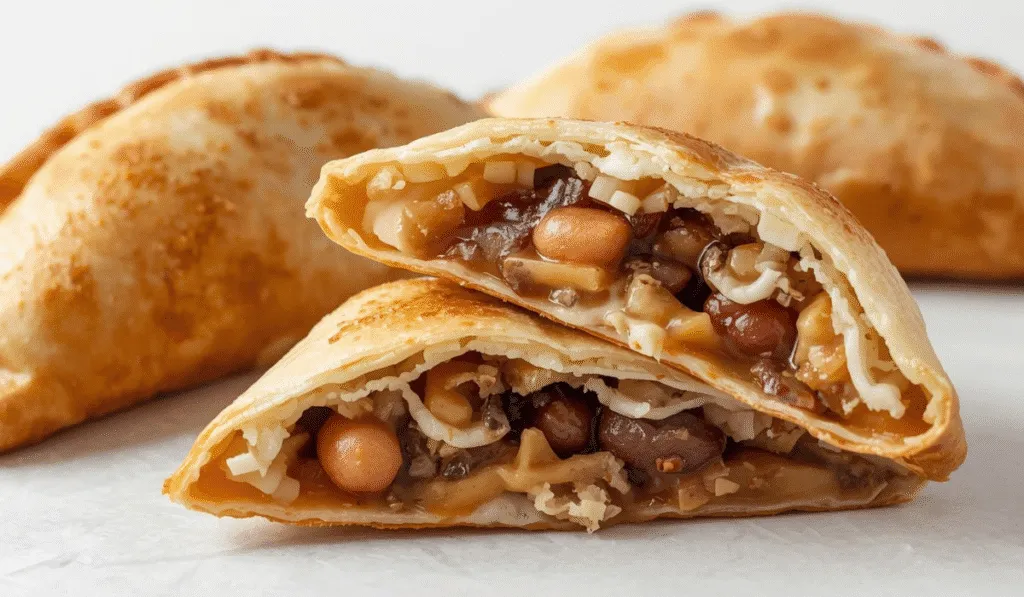
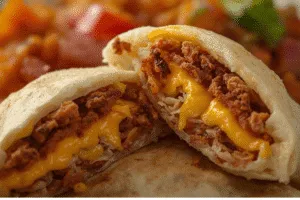
Although empanadas are usually associated with savory fillings, in El Salvador, milk empanadas and bean empanadas are popular desserts. They consist of fried corn dough, filled with a thick milk sweet or with cooked and sweetened beans.
Origin and variants:
These empanadas represent the creativity of Salvadoran cuisine in transforming basic ingredients into delicious desserts. Milk empanadas are more common in urban areas, while bean empanadas have a greater presence in rural areas, where ingredients are more accessible.
9. Poleada: The Homemade Pudding
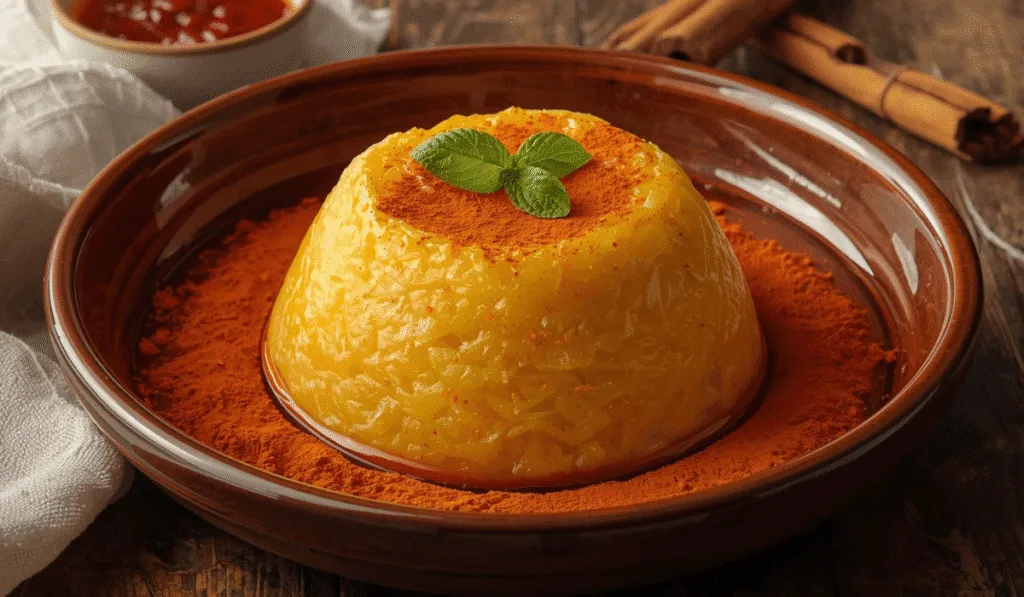
Poleada is a thick pudding or cream with a soft texture and delicate flavor, similar to “flan” but not baked. It is prepared with milk, cornstarch, sugar, cinnamon, and sometimes egg yolks, cooked over low heat until thickened.
Family tradition:
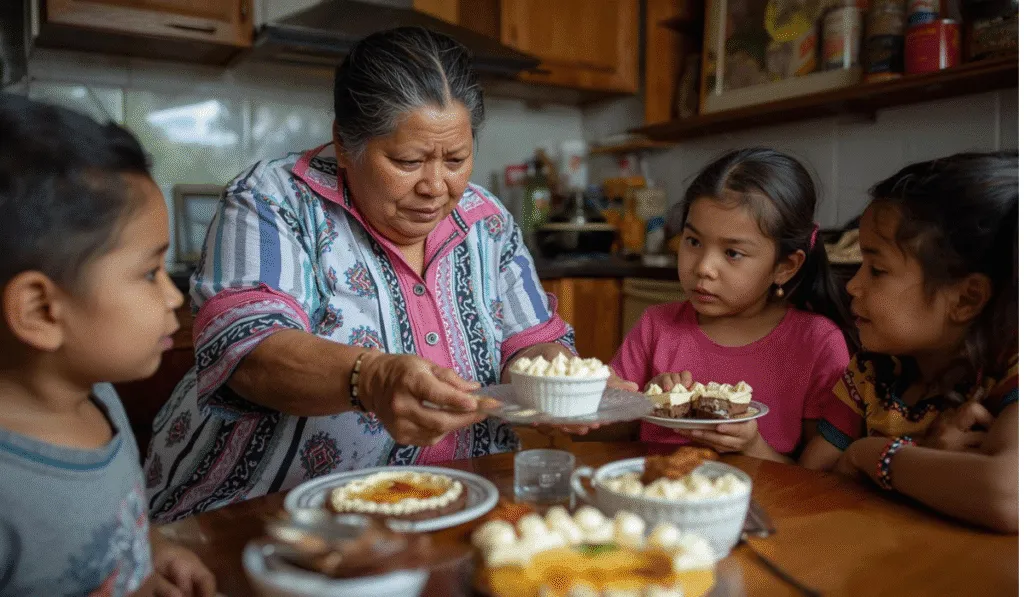
This is one of the most homemade traditional desserts of El Salvador, typically prepared by grandmothers for their grandchildren. Its simplicity and smoothness make it ideal for children, sick people, or as a light dessert after a heavy meal.
10. Tamal de Elote: Between Main Dish and Dessert
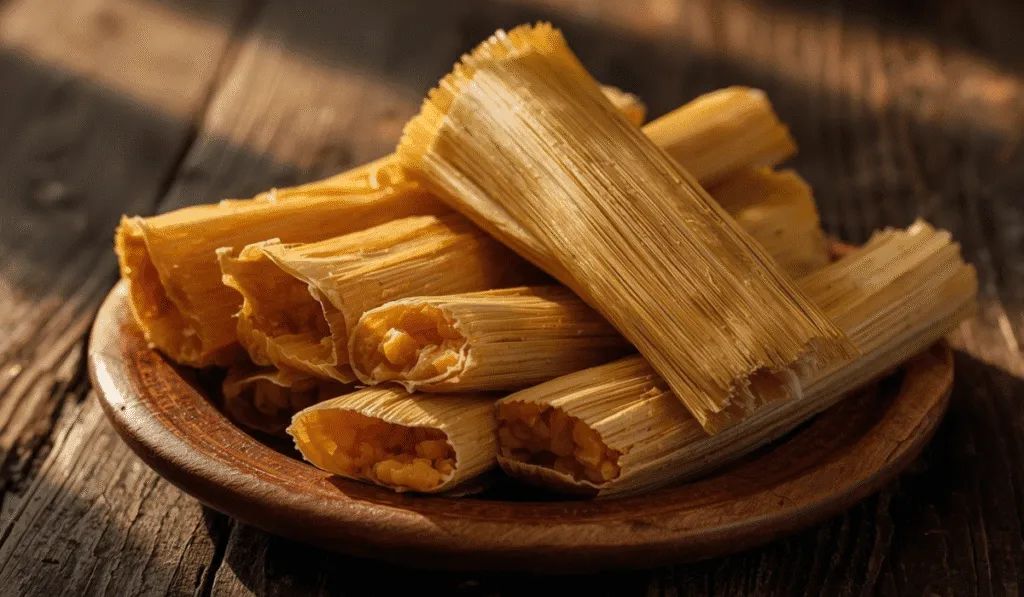
The tamal de elote holds an ambiguous place in Salvadoran gastronomy, as it can be served as a main dish or as a dessert, depending on its sweetness level and accompanying ingredients. Unlike savory tamales, this version is made with ground tender corn, sugar, butter, and sometimes raisins or plums.
Cultural significance:
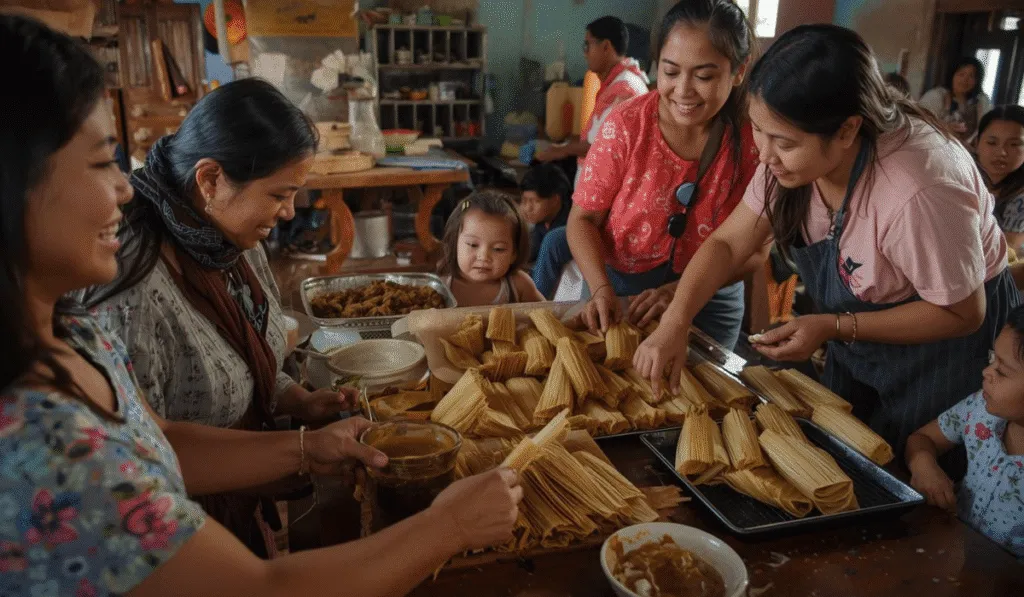
Tamales de elote have deep indigenous roots and their preparation is usually a family event, where several members participate in the process of wrapping and steaming these delicious packages in plantain or corn leaves.
Easy Recipe: How to Make Salvadoran Quesadilla at Home
Ingredients:
- 2 cups rice flour
- 1 cup sugar
- 1 cup grated Salvadoran hard cheese (or Parmesan as substitute)
- 1 cup heavy cream or sour cream
- 1/2 cup melted butter
- 3 eggs
- 1 teaspoon baking powder
- 1/4 cup milk (optional, to adjust consistency)
- Sesame seeds for decoration
Preparation:
- Preheat oven to 350°F (180°C) and grease a square or rectangular pan.
- In a large bowl, beat eggs with sugar until the mixture is pale and fluffy.
- Incorporate melted butter, cream, and grated cheese.
- Add rice flour and baking powder, mixing gently until incorporated.
- Pour the mixture into the prepared pan, sprinkle with sesame seeds, and bake for 25-30 minutes or until a toothpick inserted comes out clean.
- Let cool before cutting into square portions.
Tip: Salvadoran quesadilla tastes even better the next day, when the flavors have fully settled.
Where to Buy and Try These Desserts
In El Salvador:
- Municipal markets: Like the Central Market of San Salvador or the Sonsonate Market, where you’ll find stalls specialized in traditional sweets.
- Traditional bakeries: Establishments like “Panadería Santa Lucía” or “La Dalia” are famous for their quesadillas and semitas.
- Pupuserías and typical restaurants: Many offer traditional desserts as complements to their main dishes.
- Local festivities: During patron saint festivals and fairs, it’s common to find street stalls of traditional desserts.
Outside of El Salvador:
- Latino markets: In cities with significant Salvadoran communities (Los Angeles, Washington D.C., Toronto).
- Salvadoran restaurants: Which often include desserts on their menus.
- Specialized online stores: Some family businesses offer national shipping of certain desserts like quesadillas and semitas.
Conclusion: A Heritage That Sweetens National Identity
The traditional desserts of El Salvador are much more than simple sweets; they are a living expression of a rich cultural heritage that combines local ingredients with diverse influences. Each bite tells a story of resistance, adaptation, and culinary creativity that has been passed down from generation to generation.
These desserts not only sweeten the palate but connect Salvadorans with their roots, wherever they may be. Whether the humble poleada or the festive torreja, each traditional Salvadoran dessert offers a unique sensory experience that deserves to be discovered and preserved.
Which of these traditional desserts of El Salvador have you tried? Do you have any special memory associated with them? Share your experiences and family recipes in the comments!
ravel Smart & Taste More
If you want to turn this dessert guide into a real adventure, Carvi makes it easy. Book your vehicle online in minutes, receive it where you want (airport, hotel or home), and enjoy a stress‑free driving experience across El Salvador while discovering every sweet stop on your list.
🚘 Book Your Car Now with Carvi and Start Your Sweet Road Trip!
Share this content:


2 comments