Introduction
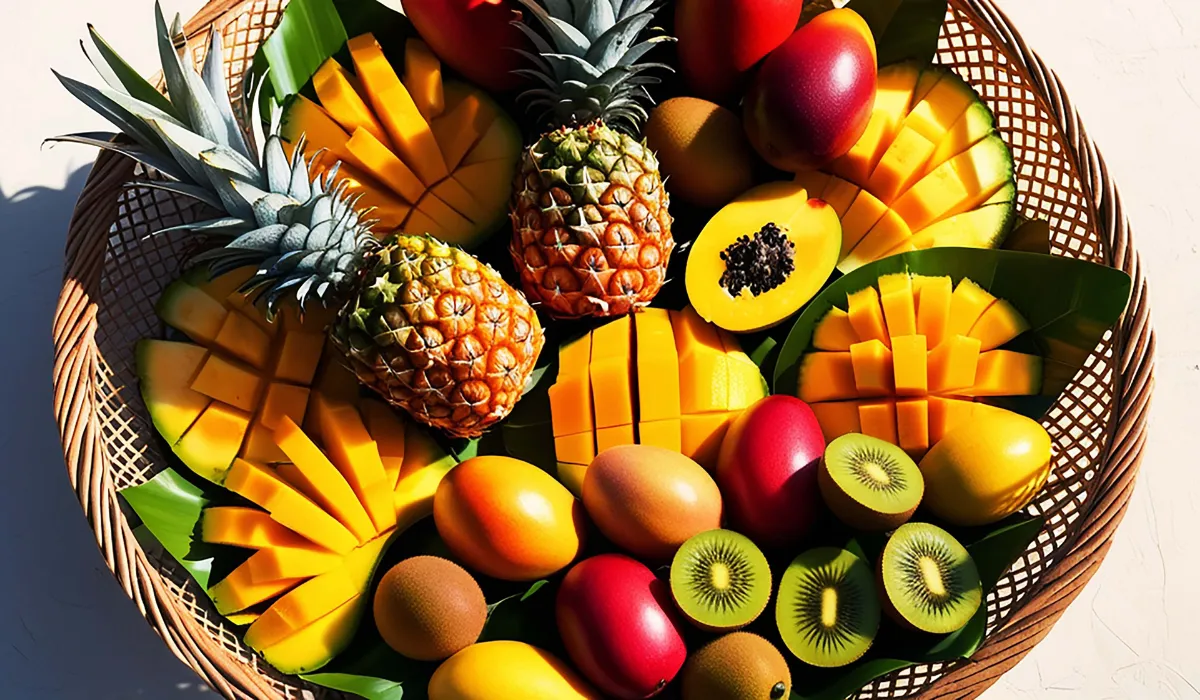
El Salvador, the smallest country in Central America, is also one of the most biodiverse and fertile. Thanks to its privileged tropical location and a geography that ranges from imposing volcanoes to extensive coasts on the Pacific Ocean, the Salvadoran land offers an astonishing variety of fresh fruits throughout the year. They are not just food; fruits from El Salvador are a cornerstone of the gastronomy, an excuse for social gatherings, and a central element of popular culture. From the announcement of summer with the arrival of the first jocote, to the refreshing cut of a coconut on the beach, each fruit tells a story.
In the municipal markets, at roadside stands, and even in household backyards, the explosion of colors, aromas, and flavors is an invitation to discover the country’s true natural pantry. This guide will take you through the most typical fruits, their seasons, the best ways to enjoy them, and the places to find them at their finest.
Discovering the fruits from El Salvador is not just about taste, but about experiencing it in local markets, towns, and rural areas where they are grown. To explore these destinations with freedom and comfort, and to be able to load up on all the fresh wonders you find, renting a vehicle is the best option. With Carvi, the Salvadoran peer-to-peer car rental platform, you can plan your own gastronomic route through the country easily and 100% digitally, without the paperwork and deposits of traditional agencies.
👉 Book your vehicle here and start your adventure: Carvi
List of Typical Fruits from El Salvador
Here is a journey through the most emblematic fruits you cannot miss. Many of them have diverse origins, but the Salvadoran climate and land have given them a unique flavor and character.
Jocote (Red Mombin / Spanish Plum)
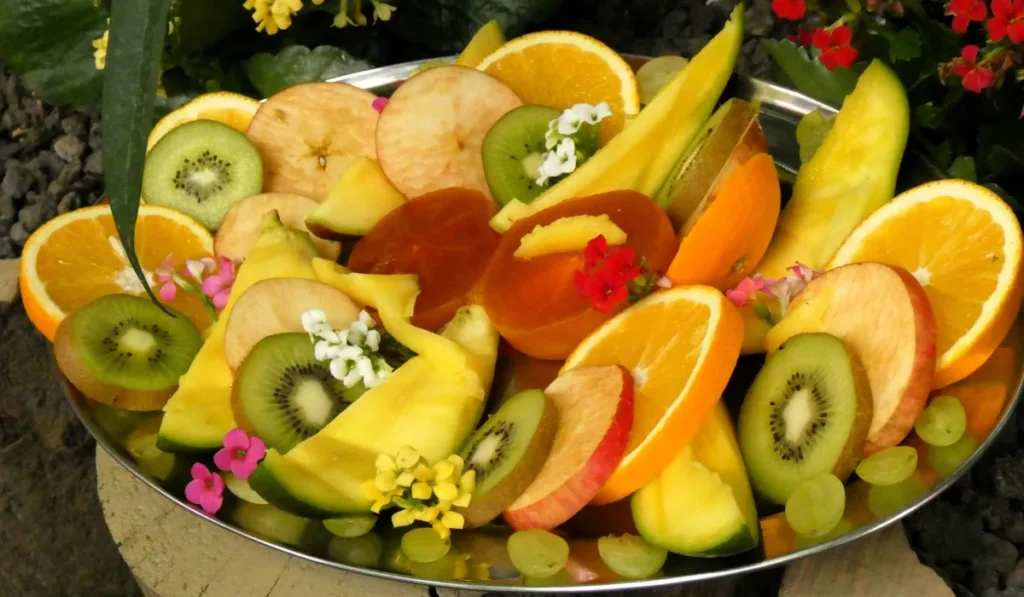
The jocote is, without a doubt, the star fruit of the Salvadoran summer. Its season, from November to April, is eagerly awaited. The most common variety is the Corona Jocote, with smooth, thin skin that, when ripe, turns shades of red, orange, or yellow. Its flavor is a perfect mix of sweet and sour, making it incredibly refreshing. It is mainly consumed ripe, but the Salvadoran experience involves biting the skin to split it, squeezing on a few drops of lime, and sprinkling it with salt. This combination enhances its flavor and creates an addictive snack. During Holy Week, it’s traditional to enjoy them “en miel” (in honey), cooked in a syrup made from unrefined cane sugar (panela), cinnamon, and cloves.
Mango
The mango is a universe of flavors in itself. In El Salvador, varieties and ripeness stages are clearly distinguished. Green mangoes (mainly of the ciruela variety) are eaten with salt and lime, peeled into strips or carved into a “flower” shape. On the other hand, ripe mangoes like the Hilacha Mango (or pata mango), very fibrous and juicy, and the Bocado Mango, with a small seed and sweet pulp, are eaten fresh. Their peak season runs from February to August, with the beginning being the ideal time for green mangoes. The abundance of mangoes is such that it’s common to see trees laden with fruit on streets and in neighborhoods.
Mammon (also known as Talpa, Quenepa, or Mamoncillo)
Mammon, known in other countries as quenepa or mamoncillo, is another delight of the dry season, with a short but intense season from April to June. It grows in huge bunches on trees that can reach up to 30 meters in height. Eating it is a whole social experience: you break the shell with your teeth, suck the sweet and slightly acidic pulp that surrounds the large seed, and then… you spit out the seed! Great care must be taken when giving it to young children due to the choking hazard posed by the slippery seed.
Zapote (Mamey Sapote)
Zapote (Pouteria sapota) is one of the native fruits of El Salvador, with evidence of its consumption dating back to pre-Hispanic times at sites like Joya de Cerén. With its smooth, creamy texture and intense sweetness reminiscent of sweet potato or pumpkin, its orange flesh is a true delight. It is eaten fresh, in smoothies (blended with milk), and in ice cream. Its season is during the winter, from June to October. Besides its flavor, it is rich in vitamins B6, C, and E, and minerals like potassium and manganese. Traditionally, the ground seed has been used to aid wound healing and relieve coughs.
Anona (Sugar Apple / Sweetsop)
Anona is a fruit with an exotic appearance, featuring a green skin made up of “scales.” Inside, it holds a white, incredibly creamy, sweet, and fragrant pulp, with black seeds scattered throughout. Its flavor is unique and hard to describe, often compared to a mix of pear, pineapple, and citrus notes. It is another gem of the winter season, from August to November, and is best enjoyed fresh, scooping out the pulp with a spoon.
Coconut
The coconut is the king of Salvadoran beaches. Although found throughout the country, it reaches its peak expression on the coast. A vendor with a “corvo” (machete) opens a green coconut with a precise hit, places a straw in it, and offers you the most refreshing and pure water imaginable. Then, they split the fruit so you can scrape out the pulp, the white and gelatinous “meat.” Its season is year-round. Coconut is also used in gastronomy to make sweets, like the traditional panela de coco (coconut candy), and to flavor rice and seafood dishes.
Guava
Guava is another fruit of Mesoamerican origin deeply rooted in the country’s culinary culture. The native variety is small, with green skin and extremely aromatic. Its season runs from August to November. It is the base for two unmistakable typical products: fresco de guayaba (guava drink), a slightly acidic beverage very popular at breakfast, and dulce de guayaba (guava paste), a firm paste traditionally eaten with fresh cheese. It is also consumed “green,” cut up with salt.
Papaya
Salvadoran papaya, especially the variety known as Melona Papaya, is a quintessential breakfast fruit. It has an elongated shape and intense orange flesh, is very sweet, and has a smooth, buttery texture. It is eaten fresh, alone or with a squeeze of lime, and is an excellent source of fiber and vitamins. It is widely available throughout most of the year.
Pineapple
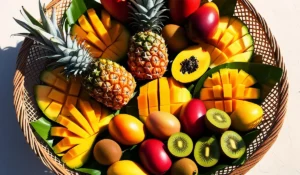
The pineapple grown in El Salvador, mainly in the departments of Usulután and San Miguel, is famous for being extraordinarily sweet and juicy. Its concentrated flavor results from the tropical climate. It is eaten fresh, in juices (“fresca de piña”), and is a key ingredient in fruit cocktails and aguas frescas.
Plátano and Guineo (Plantain and Banana)
Although often confused, there is a clear distinction in El Salvador:
- Guineo: This is the dessert banana. It is mainly consumed ripe and raw. The Guineo Manzano, a smaller, plumper variety, is considered the sweetest and most flavorful of all.
- Plátano (Plantain): It is larger, with less sugar and a firmer texture. It is never eaten raw. It is a staple of Salvadoran cuisine: fried as tajadas (as a side dish for fried yuca or pupusas), roasted, boiled, or in soups. Fried ripe plantain is a true caramelized delight.
Seasons of Fruits from El Salvador
El Salvador has two well-defined climatic seasons, and each brings its own fruit calendar.
- Summer or Dry Season (November – April): This is the season for the most refreshing and stone fruits. It coincides with the main harvests of jocote, mango (especially green), mammon, nance, cashew fruit (marañón), and cucumber (pepino) . This is the best time to find these fruits in markets and on roadsides at very affordable prices.
- Winter or Rainy Season (May – October): The rains bring the sweetest, creamiest, and most aromatic fruits. It’s time to enjoy zapote, anona, guava, caimito (star apple), níspero (loquat), granadilla (sweet granadilla), and the second harvest of sweet mangoes . This is the ideal season for desserts and natural smoothies.
Many of these fruits reach their peak flavor in specific rural areas. To visit them in season and find truly fresh produce, it’s best to travel outside the city. With Carvi, you can rent a car in minutes and explore different fruit destinations in the country with total freedom, creating your own itinerary without relying on bus schedules.
🚗 Check availability and prices here: Carvi
How Fruits are Consumed in El Salvador
Salvadoran creativity is also reflected in the many ways fruits are enjoyed:

- Fresh and natural: The purest and most common form, directly from hand to mouth.
- With salt, lime, or chili: A ritual for jocote, green mango, cucumber, and even pineapple. It’s a contrast of flavors that enhances the fruit’s freshness and is the quintessential street snack. The famous “fruit cocktail” (green mango, jocote, cucumber, pineapple) is served in a bag with plenty of lime, salt, and chili powder or hot sauce.
- In juices and “frescos”: “Frescos” are non-alcoholic beverages made by blending fruit pulp with water and sugar. The most popular are green mango (grated), pineapple, tamarind, cashew fruit (marañón), guava, and arrayán (a small purple berry) .
- In honey (preserves): A tradition of colonial origin. Fruits like jocotes, green mangoes, carao (panela fruit), and coconut are slowly cooked in a thick syrup made from unrefined cane sugar (panela) with spices like cinnamon and cloves. It’s a typical treat during patron saint festivals and Holy Week.
- In typical desserts: Guava paste with cheese, fried plantain slices (tajadas) with cream, zapote or anona ice cream and smoothies, and panela de coco (coconut candy) are just a few examples.
One of the best ways to experience this fruit culture is by visiting traditional markets and local fairs where producers sell directly to consumers. If you are a tourist or don’t have your own transportation, renting a vehicle with Carvi will allow you to explore different markets and gastronomic towns without relying on public transport.
🔗 Explore vehicle options here: Carvi
Nutritional Benefits of Salvadoran Fruits
Besides their spectacular flavor, fruits are an endless source of health, something vital in a country with a warm climate.
- Natural hydration: Fruits like watermelon, coconut (water), cucumber (pepino), and pineapple are perfect for replenishing fluids and minerals lost due to the heat.
- Vitamins and Antioxidants:
- Vitamin C: Guava, green mango, pineapple, and citrus fruits are powerful allies for strengthening the immune system. Guava, for example, provides a surprising amount of this vitamin.
- Fiber: Jocote, papaya, and plantain/banana promote digestion and intestinal health. Papaya also contains papain, an enzyme that helps digest proteins.
- Natural energy: Guineo (banana) and ripe plantain are rich in potassium and carbohydrates, ideal for recovering energy after a day at the beach or a hike.
- Essential minerals: Fruits like zapote provide calcium, phosphorus, and iron, while pitahaya (dragon fruit), though less common, is a treasure trove of calcium, phosphorus, and antioxidants that help fight cardiovascular diseases.
Where to Find the Best Fruits in El Salvador
To live the ultimate fruit experience, you have to go to the sources.
- Agromercados (Farmers’ Markets): An excellent initiative by the Ministry of Agriculture and Livestock (MAG) that connects producers directly with consumers, eliminating middlemen and offering fair prices and fresh products. Currently, there are 44 agromercados nationwide, open from 6:00 a.m. to 1:00 p.m. every day. You can find them in town squares and parks across all departments, from San Salvador (Mejicanos, Soyapango, Ilopango) to La Unión, Morazán, and Ahuachapán.
- Municipal Markets: They are the heart of local commerce.
- Mercado Central de San Salvador: A central hub with a huge variety of all kinds of fruits.
- Mercado de San Miguelito (San Salvador): More tourist-oriented, ideal for trying snacks and buying prepared fruit.
- Mercado de Frutas de Usulután: An iconic market in one of the most productive areas of the country, known for the quality of its products.
- Mercados de Santa Ana and San Miguel: Essential for seeing the variety of their respective regions.
- Towns and Agricultural Areas: Visiting a town on “market day” (usually Sundays) is an authentic experience. Places like Cojutepeque (famous for its jocotes), Berlín (Usulután), or the towns along the Ruta de las Flores (Flower Route) are ideal for finding local fruits and talking directly with the farmers.
- Roadside Stalls: On highways leading to the beaches (such as the Carretera del Litoral or the Carretera a Los Chorros), it’s common to find stalls selling coconuts, mangoes, jocotes, and pineapples, perfect for a refreshing break.
If you want to travel through different areas of the country to find fresh fruit directly from the producer, having a vehicle makes the experience much easier. With Carvi, you can compare options and book easily to travel comfortably throughout El Salvador.
👉 Make your reservation for your fruit route here: Carvi
Fun Facts about Salvadoran Fruits
- The Tree of Life (Carao): The fruit of the Carao tree is a long, brown pod that is not eaten fresh. It is left to dry and then cooked to make a thick, black honey, a traditional home remedy for coughs, bronchitis, and respiratory problems.
- The “cucumber” that is a fruit: Although botanically a vegetable, in El Salvador, cucumber (pepino) is consumed like a fruit. It is peeled and cut into strips for the fruit cocktail with salt and lime. It’s a combination that surprises many visitors!
- The one-night flower of the Pitahaya: The pitahaya flower is a fleeting beauty. It only opens once, at night, and releases a fragrance that attracts bats and insects, its main pollinators. It can be observed between March and September.
- Archaeological evidence: In the excavations of Joya de Cerén, the “Pompeii of the Americas,” evidence has been found that fruits like jocote, zapote, and guava were already part of the diet of the inhabitants of this agricultural village over 1,400 years ago.
- The journey of the cashew (Marañón): The cashew apple is a juicy, astringent fruit used to make a fresh drink (fresco). What we know as the cashew nut is its seed, which grows oddly outside the fruit. And watch out! That seed is toxic if not properly roasted or cooked.
Frequently Asked Questions about Salvadoran Fruits
What are the most typical fruits of El Salvador?
Without a doubt, jocote, green mango, and mammon are the most emblematic fruits, especially during the summer. They define the street fruit experience of the dry season.
What is the most popular fruit in summer?
Green mango and jocote vie for this title. Their mass consumption with salt and lime on the streets and in markets is a classic snapshot of the season from November to April.
Where to buy fresh fruits at a good price in the country?
The MAG’s Agromercados are one of the best options, with a presence in 44 municipalities and regulated prices. Municipal markets and roadside stalls in rural areas are also excellent alternatives.
Are there fruits only found in certain regions?
Yes, although many are distributed nationwide. The freshest coconuts are on the beaches of La Libertad, Sonsonate, or La Unión. The sweetest pineapples usually come from Usulután. For cashew fruit (marañón), you need to look in the coastal area or along the Ruta de las Flores. Having a car allows you to go and find them at their source.
Exploring the fruits of El Salvador is much more than going shopping; it’s discovering part of its identity, its traditions, and its most authentic flavors. It’s the experience of walking through a market full of color, stopping at a roadside stand to try a mango cocktail, feeling the sea breeze while drinking coconut water. From the bustling urban markets to the quiet rural towns where the most exotic fruits are harvested, every corner of the country offers a different taste.
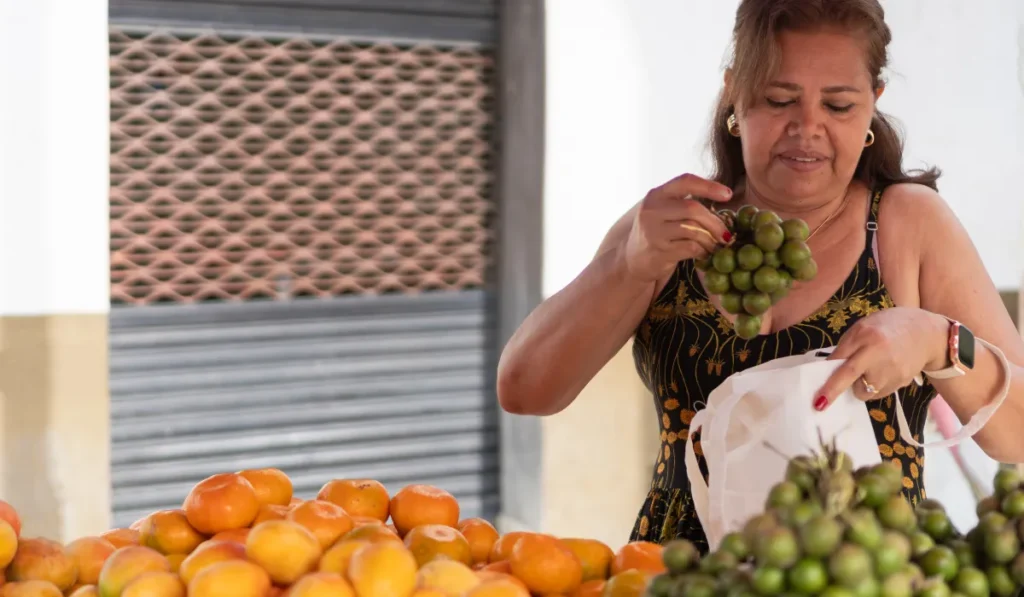
To live this experience without limits, to be able to load up with a dozen freshly picked mangoes or to detour because you spotted a jocote stall on the highway, renting a vehicle is not just an option, it’s the best decision. It gives you the freedom to create your own route, at your own pace.
With Carvi, the first Salvadoran peer-to-peer car rental platform, you can reserve the ideal vehicle easily, 100% online, without deposits or endless paperwork. It’s the modern and safe way to get around, like renting a friend’s car. Connect with local hosts, compare options, and get ready for the adventure.
El Salvador’s natural pantry is waiting for you. Ready to explore it?
🚗 Discover El Salvador with freedom and flavor:
Carvi
Share this content:




Post Comment