- What Is a Salvadoran Food Tour?
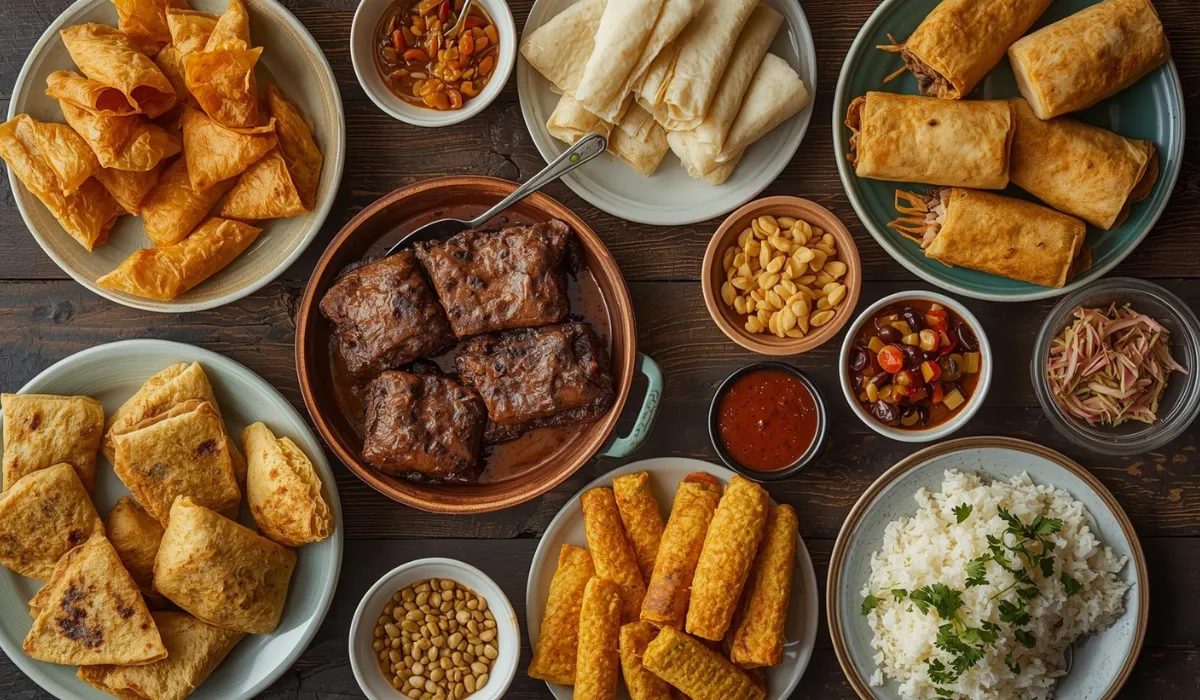
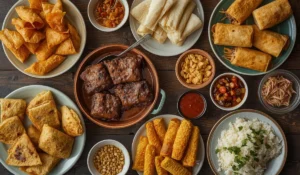
- What Food Will You Try on a Salvadoran Food Tour?
- Best Salvadoran Food Tours and Culinary Experiences
- What Does a Salvadoran Food Tour Include?
- How Much Does a Salvadoran Food Tour Cost?
- How Long Does a Salvadoran Food Tour Take?
- How to Plan Your Own Salvadoran Food Tour
- Renting a Car for a Salvadoran Food Tour
- Salvadoran Food Tour Itinerary: A Sample 3-Day Food Trip
- Best Time to Take a Salvadoran Food Tour
- Tips for an Unforgettable Salvadoran Food Tour
- Salvadoran Food Tour vs. Exploring the Food Scene on Your Own
- Frequently Asked Questions About Salvadoran Food Tours
- What is a Salvadoran food tour?
- Where can I take a Salvadoran food tour?
- Are there Salvadoran food tours in San Salvador?
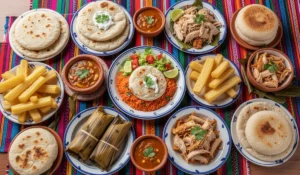
- What food do you eat on a Salvadoran food tour?
- How much does a Salvadoran food tour cost?
- How long does a Salvadoran food tour last?
- Are Salvadoran food tours available in English?
- Can I take a private food tour in El Salvador?
- Are Salvadoran food tours suitable for families?
- Can I explore El Salvador by rental car?
- Is it worth renting a car for a food tour in El Salvador?
- Final Thoughts: Discover El Salvador Through Its Food
El Salvador is a small country with a huge culinary soul. While it may be famous for its pupusas, a Salvadoran food tour reveals so much more—from savory tamales wrapped in banana leaves to aromatic Pacamara coffee and sweet quesadillas that pair perfectly with an afternoon cup. A guided culinary experience is one of the most authentic ways to understand Salvadoran culture, and this guide will walk you through everything you need to know to plan the perfect food adventure.
Whether you’re exploring the historic center of San Salvador, wandering through the colorful towns of the Ruta de las Flores, or seeking out the best street food stalls, a Salvadoran food tour connects you directly with local traditions, flavors, and the people who keep them alive.
What Is a Salvadoran Food Tour?
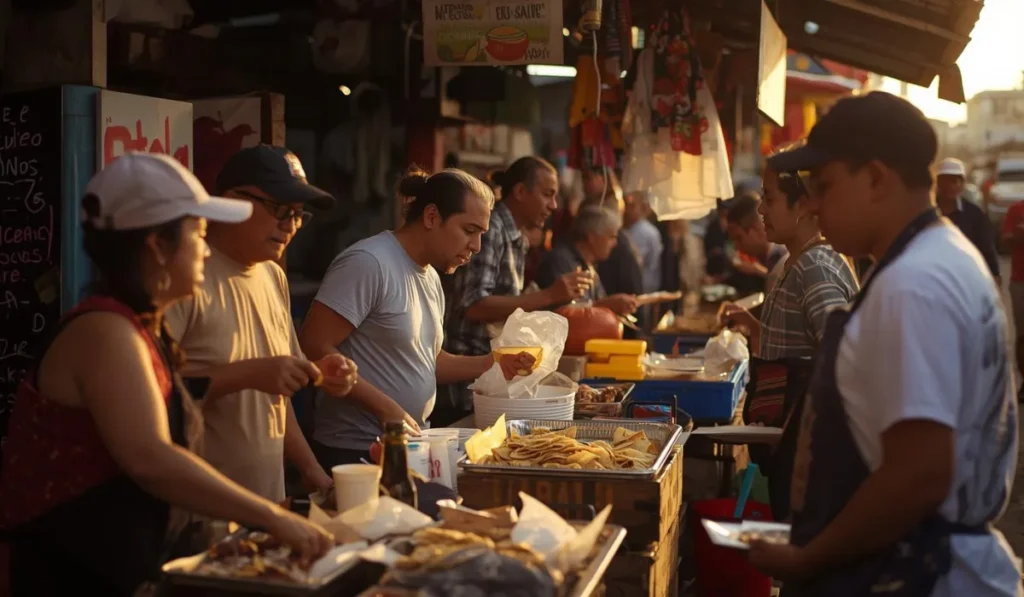
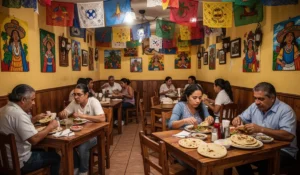
A Salvadoran food tour is a guided culinary experience that takes you through local markets, traditional restaurants, and street food spots to sample the country’s most iconic dishes. These tours are typically led by local guides who not only know where to find the best food but also understand the history and cultural significance behind each dish.
The difference between taking a guided food tour and exploring on your own comes down to access and context. A tour guide can navigate the bustling aisles of markets like Mercado Central, explain the difference between varieties of pupusas, and introduce you to vendors who have been perfecting their craft for generations. When you explore independently, you have complete freedom, but you might miss the stories that make the food meaningful.
During a typical Salvadoran food tour, you can expect to visit multiple locations over the course of a few hours, tasting everything from savory main dishes to sweet desserts and traditional beverages. Many tours include interactive elements like pupusa-making classes, where you’ll shape your own corn tortillas and watch them cook on a hot griddle.
If you’re interested in the broader context of gastronomic tourism in El Salvador, it’s worth understanding how food tours fit into the country’s growing culinary travel scene. For a deeper look at how food and travel intersect here, see this guide to gastronomic tourism in El Salvador.
What Food Will You Try on a Salvadoran Food Tour?
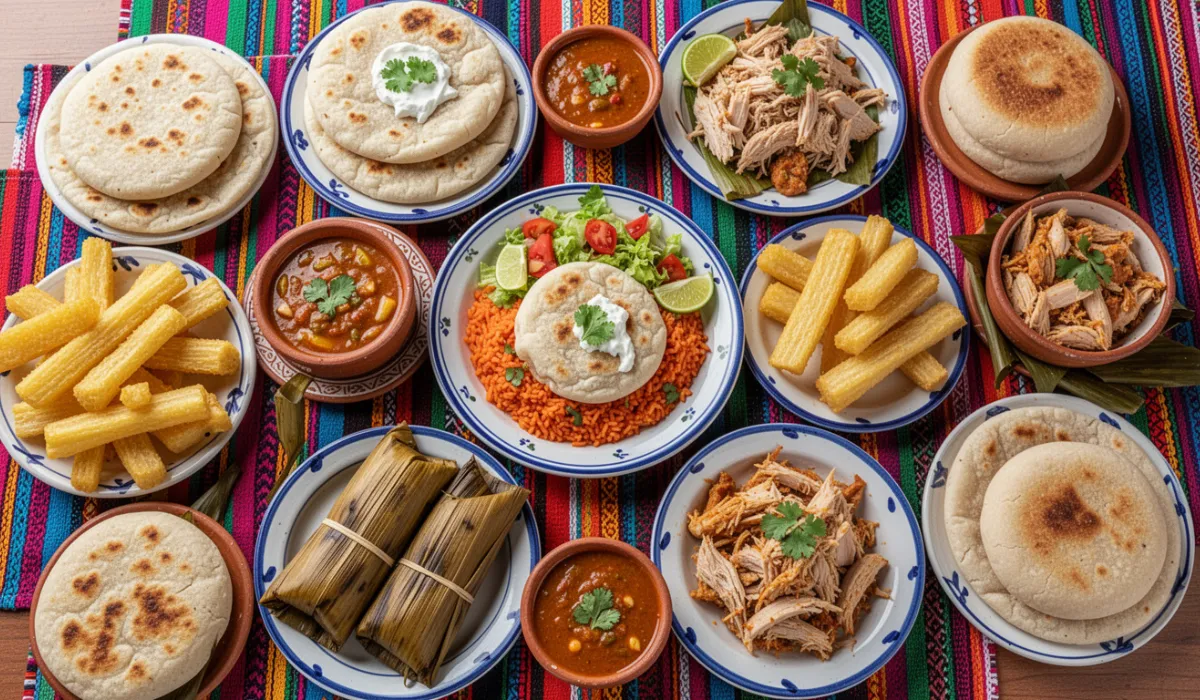
Pupusas
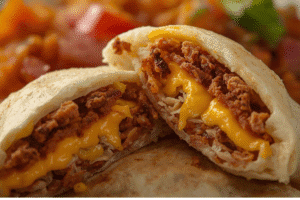
Pupusas are El Salvador’s national dish and the star of any food tour. These thick corn tortillas are stuffed with a variety of fillings—cheese, beans, chicharrón (seasoned pork), or loroco (an edible flower native to the region)—then cooked on a hot griddle until slightly charred and melty inside.
The classic way to enjoy a pupusa is with curtido, a fermented cabbage slaw, and salsa roja, a mild tomato sauce. Most food tours include at least one pupusa tasting, and many offer hands-on classes where you can learn to make them yourself.
Yuca Frita and Yuca con Chicharrón
Yuca, or cassava, is a staple root vegetable in Salvadoran cuisine. Fried until golden and crispy, yuca frita is often served as a side dish or snack. When topped with chicharrón and curtido, it becomes yuca con chicharrón—a hearty dish that showcases the contrast between the soft, starchy yuca and the crispy pork.
Tamales Salvadoreños
Salvadoran tamales are wrapped in banana leaves and steamed until the corn masa becomes tender and fragrant. Common varieties include tamales de pollo (chicken) and tamales de elote (sweet corn). Unlike some Latin American tamales that use corn husks, the banana leaf wrapping gives Salvadoran tamales a distinct, slightly vegetal aroma.
Empanadas and Pastelitos
Here’s a fun fact that surprises many visitors: in El Salvador, an “empanada” is often a sweet treat. Empanadas de plátano are made from ripe plantain dough, filled with sweet bean paste or cream, fried, and coated in sugar. For savory options, look for pastelitos de carne—small fried turnovers filled with seasoned meat.
Traditional Salvadoran Soups
Soups are an essential part of Salvadoran home cooking. Sopa de gallina india is a rich, herbal chicken soup that’s considered a comfort food classic. Sopa de res is a hearty beef soup, while sopa de frijoles con huevo combines beans with an egg dropped in at the end of cooking.
Salvadoran Desserts
Salvadoran desserts are often paired with coffee, and a good food tour will introduce you to several. Quesadillas salvadoreñas are sweet cheese breads—not to be confused with the savory Mexican version. Nuegados are fried dough balls served in a sweet syrup made from panela (unrefined cane sugar). Empanadas de plátano round out the sweet selection.
Horchata, Coffee, and Traditional Drinks
No Salvadoran food tour is complete without trying horchata, a refreshing rice-based drink often flavored with cinnamon. Other traditional frescos include tamarindo, maracuyá (passion fruit), and chan (a seed-based drink). And don’t skip the coffee—El Salvador produces exceptional Pacamara and Bourbon varieties that are increasingly recognized by specialty coffee enthusiasts worldwide.

Best Salvadoran Food Tours and Culinary Experiences
San Salvador Food Tours
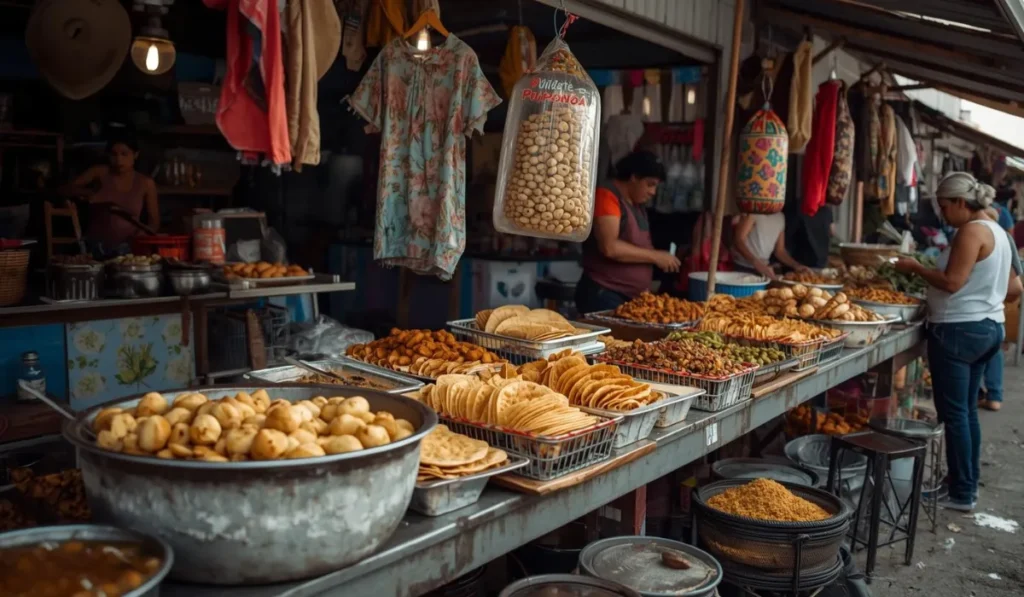
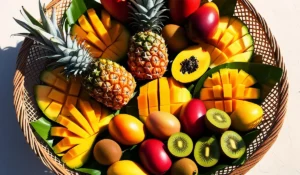
The capital is the epicenter of Salvadoran food tours. Most experiences begin in the Historic Center and include stops at Mercado Central, where you can wander through aisles filled with tropical fruits, local spices, and prepared foods. Many tours also visit traditional restaurants for tastings of tamales, pupusas, and traditional soups.
If you want to explore the capital beyond the food scene, there’s plenty to see. From the historic center to the viewpoints over the city, a car rental in San Salvador gives you the flexibility to combine culinary stops with other attractions. For a broader overview of what the country offers, see this guide to tourist places in El Salvador.
Salvadoran Street Food Tours
Street food is where you’ll find some of the most authentic flavors in El Salvador. A street food tour might take you to pupuserías, where you can watch the cooks slap dough into perfect rounds, or to stalls selling freshly fried plantains and yuca.
Salvadoran Market Food Tours
Markets like Mercado Central and the recently renovated San Miguelito Market offer immersive cultural experiences. San Miguelito Market, a $34 million investment, spans four levels with over 1,000 stalls and has been praised for its cleanliness and organization. A market tour lets you interact with vendors, sample seasonal fruits, and see how Salvadorans shop for their daily meals.
Pupusa-Making Experiences
For a hands-on cultural experience, consider a private pupusa cooking class. These classes typically last 2.5 to 3 hours and take place in a local home, where you’ll learn to mix masa, shape pupusas with traditional fillings, and cook them on a griddle. The experience often includes traditional music, a meal with curtido and salsa, and a traditional drink.
Private Salvadoran Food Tours
Private tours offer flexibility and personalization. You can set your own pace, focus on specific dishes or neighborhoods, and receive undivided attention from your guide. Many private tours include hotel pickup and can be customized for dietary restrictions or special interests.
Food Tours Along the Ruta de las Flores
The Ruta de las Flores, or “Route of Flowers,” is a scenic highland region west of San Salvador known for its colonial towns, coffee farms, and vibrant food scene. A food-focused tour here might include a coffee tasting in Juayúa, street food stops in Ataco, and a traditional cooking class in Izalco.
For a complete guide to traveling this route, including which towns to prioritize, see this detailed guide to the towns on the Flower Route. And if you’re interested in the artistic side of the region, the murals of Concepción de Ataco are worth a stop between food tastings.
What Does a Salvadoran Food Tour Include?
Food and Drinks
Most food tours include tastings at multiple stops. A typical 3-hour tour might include 2 pupusas per person, a traditional soup, a dessert, and a beverage like horchata or coffee. Some tours include a full meal, while others focus on smaller tastings across several locations.
Local Markets
Market visits are a core component of most Salvadoran food tours. Mercado Central in San Salvador is the most common stop, but tours may also visit neighborhood markets or the modern San Miguelito Market.
Transportation
Transportation policies vary by tour. Some include hotel pickup and drop-off, while others require you to meet at a central location. For tours that explore multiple towns or the Ruta de las Flores, transportation is often included.
Local Guides
Your guide is the bridge between you and Salvadoran culture. A good guide will explain not just what you’re eating, but why it matters—the history of pupusas, the role of corn in Salvadoran identity, and the traditions behind coffee preparation.
What’s Usually Not Included
Common exclusions include additional alcoholic beverages, personal purchases, gratuities, and transportation to the meeting point if the tour doesn’t provide pickup.
How Much Does a Salvadoran Food Tour Cost?
Food tour prices in El Salvador vary based on duration, inclusions, and whether the tour is group or private. Since El Salvador uses the US dollar (USD) as its official currency, all prices below are listed in dollars, making it easy for international travelers to budget.
Group Food Tours
Group food tours are the most affordable option. A typical 2–3 hour walking tour in San Salvador’s Historic Center starts at around $30–$45 per person. This usually includes:
- 2 pupusas per person
- A traditional soup or tamale tasting
- A dessert sample
- A beverage such as horchata or locally grown coffee
Mid-range group tours with more inclusions—such as a full meal, multiple market visits, or a coffee tasting—typically cost between $50 and $75 per person. These tours often last 3–4 hours and may include transportation between stops.
Full-day tours, such as those exploring the Ruta de las Flores or combining San Salvador with surrounding towns, range from $80 to $150 per person depending on group size, number of tastings, and whether transportation is included.
Private Food Tours
Private tours cost more because they offer personalized attention, flexible scheduling, and often include hotel pickup and drop-off. A private pupusa cooking class, for example, typically runs about $60 per person and includes round-trip transportation. Private city food tours generally range from $100 to $200 per person, depending on duration and inclusions.
The higher price reflects the customized nature of the experience—you can set your own pace, focus on specific dishes or neighborhoods, and receive undivided attention from your guide.
Food and Market Experiences
It’s worth distinguishing between a simple tasting and a full tour. A standalone market visit with a local guide might cost $20–$35 per person and focus on fresh produce, local snacks, and cultural context. A full food tour with multiple stops, a guide, and included tastings typically starts at $30–$45 and goes up from there.
Some travelers prefer to combine a short guided experience with independent exploration. For example, you might book a $60 private pupusa class in the morning, then spend the afternoon exploring local markets on your own.
Additional Transportation Costs
If your tour doesn’t include pickup, you’ll need to budget for transportation to the meeting point. Taxis and ride-sharing apps within San Salvador typically cost $5–$15 per trip, depending on distance.
For exploring beyond San Salvador—whether to Santa Ana, the Ruta de las Flores, or coastal areas—having your own vehicle provides the most flexibility. Rental car rates in El Salvador generally range from $35 to $80 per day, depending on the vehicle type and season. Options include:
- 4×4 car rental for exploring less-traveled routes
- Car rental in El Salvador with airport or hotel delivery
- Car rental without a credit card for travelers who prefer to avoid holding a deposit on their card
- Car rental without a deposit for added financial flexibility
- Theft insurance for car rentals for peace of mind
If you’re planning to visit multiple food destinations across the country, a rental car often works out cheaper than booking separate transfers or relying on taxis for day trips.
🚗 Want more freedom to explore El Salvador’s food scene? Check available rental cars with Carvi and travel at your own pace.
👉 Rent a Car in El Salvador with Carvi
💰 Quick Cost Summary (USD)
| Tour Type | Typical Price Range (USD) |
|---|---|
| Group food tour (2–3 hours) | $30–$45 per person |
| Mid-range group tour (3–4 hours) | $50–$75 per person |
| Full-day tour (Ruta de las Flores, etc.) | $80–$150 per person |
| Private pupusa cooking class | ~$60 per person |
| Private city food tour | $100–$200 per person |
| Market visit with local guide | $20–$35 per person |
| Rental car (per day) | $35–$80 |
| Taxi within San Salvador | $5–$15 per trip |
How Long Does a Salvadoran Food Tour Take?
2–3 Hour Food Tours
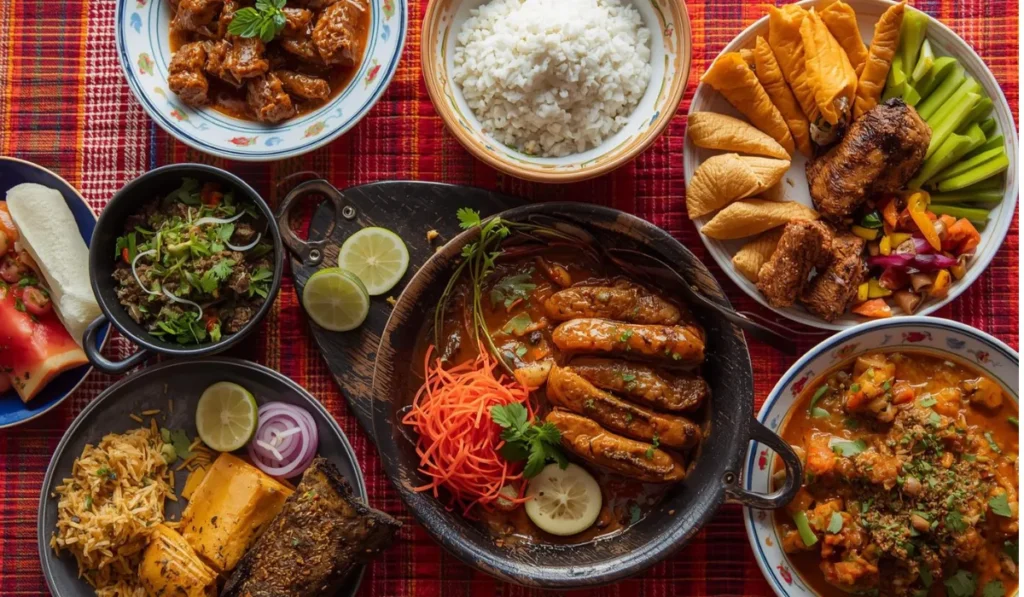
The most common format, perfect for combining with other activities. These tours typically cover a few stops in San Salvador’s Historic Center, including a pupusa tasting, a market visit, and coffee.
Half-Day Food Experiences
Half-day tours (4–5 hours) allow for more tastings and deeper exploration. A pupusa-focused tour might include a visit to Olocuilta, a town famous for its rice pupusas, combined with a demonstration and tasting.
Full-Day Culinary Tours
Full-day tours (8+ hours) combine food with broader exploration. The Ruta de las Flores is the classic full-day option, taking you through multiple towns, coffee farms, and markets with food tastings along the way.
If you’re planning a full day of exploring, it’s worth reading up on safe tourism in El Salvador so you know what to expect and how to move around comfortably.
How to Plan Your Own Salvadoran Food Tour
Choose the Food Experiences You Want to Try
Start by identifying your priorities: pupusas, market visits, street food, coffee, or desserts. If you’re short on time, focus on San Salvador. If you have more days, plan to explore regional specialties.
Plan Your Route
Group nearby locations to minimize travel time. San Salvador’s Historic Center is walkable and contains several key food destinations. For Santa Ana, the Ruta de las Flores, or coastal areas, you’ll need transportation.
For inspiration on what to combine with your food stops, this overview of tourist attractions in El Salvador is a useful starting point. If you’re heading west, the best tourist places in Santa Ana can help you build a full day around your meals.
Decide Whether You Need a Rental Car
If you plan to stay in San Salvador and join organized tours, public transportation and taxis may suffice. But if you want to explore independently—stopping at roadside pupuserías, visiting coffee farms, or discovering small-town markets—a rental car gives you the freedom to create your own itinerary.
Leave Enough Time Between Food Stops
Don’t over-schedule. Salvadoran portions can be generous, and you’ll want time to digest between tastings. A relaxed pace also allows for spontaneous discoveries.
Book Your Experiences in Advance
Popular tours and cooking classes fill up, especially during peak season (November through February). Book at least a few days ahead to secure your spot.
Renting a Car for a Salvadoran Food Tour
Why Rent a Car for a Food Tour?
A rental car transforms your food tour from a fixed itinerary into a flexible adventure. You can stop at that roadside stand selling fresh cheese, detour to a coffee farm you spotted on the way, or spend an extra hour in a town you fall in love with. For food travelers who want to explore at their own pace, a car is a game-changer.
Beyond food, a car opens up the country’s natural and cultural attractions. You can visit Cerro Verde National Park, spend a day at Lake Coatepeque, or explore the magical towns of El Salvador between meals.
If you’re interested in volcanic landscapes, the definitive guide to volcanic tourism in El Salvador pairs well with a food-focused itinerary. And for beach days between food stops, see the best beaches to visit in El Salvador by car.
Why Consider Carvi for Your Trip?
Carvi offers rental options designed for travelers who want simplicity and freedom. Available vehicles include 4×4 options for exploring less-traveled routes, with features like included insurance, unlimited mileage, and no deposit required. For added peace of mind, theft insurance for car rentals in El Salvador is available. Airport and hotel delivery make it easy to start your journey as soon as you arrive. A second driver can be added at no extra cost, and customer support is available throughout your trip.
🚗 Ready to explore El Salvador by car?
Choose your vehicle, plan your route, and enjoy the freedom to discover Salvadoran food at your own pace.
👉 Rent a Car in El Salvador with Carvi
Salvadoran Food Tour Itinerary: A Sample 3-Day Food Trip
Day 1 – San Salvador
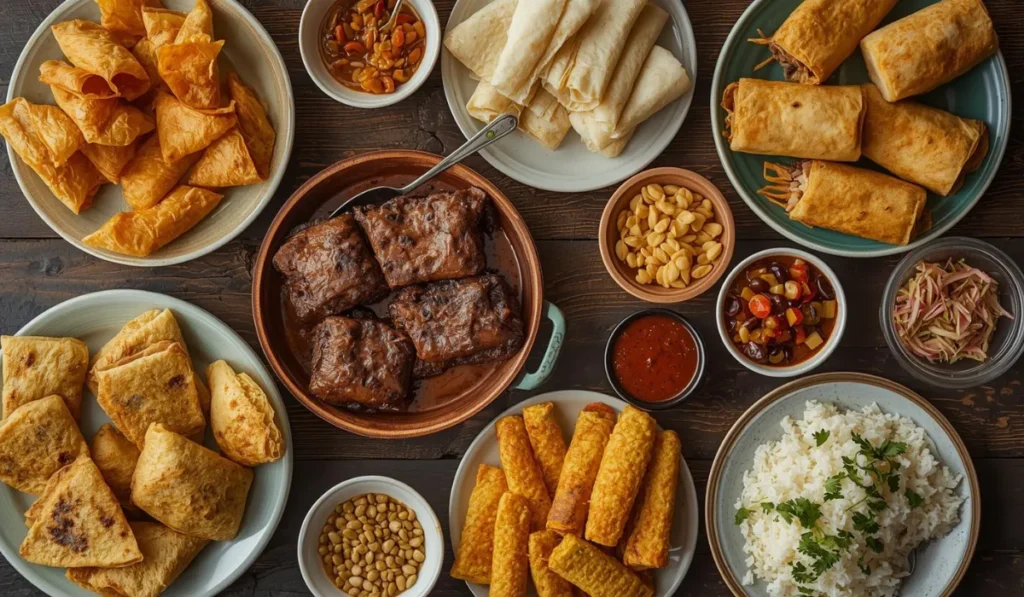
Start with a traditional breakfast—perhaps a tamal or fried plantains with cream and beans. Visit Mercado Central to see the variety of local produce and grab a snack. For lunch, seek out a pupusería in the Historic Center. In the afternoon, try street food like yuca frita or elote loco. End the day with a Salvadoran dinner featuring sopa de gallina india.
If you’re traveling with family, this list of family restaurants in El Salvador can help you find places that work for all ages.
Day 2 – Santa Ana and Local Food
Drive to Santa Ana (about 1.5 hours from San Salvador) and explore its local market. Sample regional dishes and visit a coffee shop for an afternoon break. Santa Ana’s culinary scene is less tourist-oriented than the capital’s, offering a more local experience.
Day 3 – Ruta de las Flores and Regional Food
Spend the day exploring the Ruta de las Flores. Stop in Juayúa for coffee, visit Ataco for its murals and street food, and try local specialties in Apaneca. This route combines stunning scenery with diverse food experiences.
For a structured look at how food and travel connect across the country, see this guide to gastronomic routes in El Salvador.
🚗 Explore more of El Salvador on your own schedule with Carvi.
Best Time to Take a Salvadoran Food Tour
Best Months to Visit El Salvador
The dry season (November to April) offers the most comfortable weather for walking tours. The rainy season (May to October) can still be enjoyable, but afternoon showers may affect outdoor activities. Between November and February, coffee plantations are in bloom, adding scenic beauty to Ruta de las Flores tours.
Best Time of Day for a Food Tour
Morning tours are ideal for market visits when produce is freshest. Afternoon tours often include coffee tastings and dessert stops. Evening tours might focus on street food and local bars.
What to Wear and Bring
Wear comfortable walking shoes, bring a hat and sunscreen, and carry cash—many market vendors and small eateries don’t accept cards. A reusable water bottle is also useful.
Tips for an Unforgettable Salvadoran Food Tour
Come Hungry. Portions can be generous, and you’ll want to try as much as possible.
Try More Than Just Pupusas. While pupusas are essential, don’t miss soups, tamales, yuca dishes, and desserts.
Visit Local Markets. Markets offer the most authentic glimpse into Salvadoran daily life.
Ask Locals Where They Eat. The best food recommendations often come from people, not guidebooks.
Carry Cash. Small bills are essential for street food and market purchases.
Check for Dietary Restrictions. If you have allergies or dietary needs, communicate them when booking.
Wear Comfortable Shoes. Food tours involve walking, sometimes on uneven streets.
Plan Your Transportation. If your tour doesn’t include pickup, arrange how you’ll get to the meeting point—and how you’ll explore afterward. If you’re considering a self-drive option, browsing car rental models can help you choose the right vehicle for your route.
Salvadoran Food Tour vs. Exploring the Food Scene on Your Own
Taking a Guided Food Tour
Guided tours offer context, convenience, and access. Your guide handles logistics, introduces you to vendors, and explains the cultural significance of what you’re eating. It’s an efficient way to cover a lot of ground in a short time.
Exploring Salvadoran Food Independently
Independent exploration gives you complete freedom. You can spend as long as you want at a market stall, return to a restaurant you loved, or follow a tip from a local you met. It requires more planning but rewards curiosity.
Combining Food Tours With a Rental Car
The best approach might be a hybrid: take a guided tour in San Salvador to get oriented and learn about the cuisine, then use a rental car to explore regional food scenes independently. This combination gives you both expert insight and personal freedom.
If you’re thinking about a longer stay or want to understand the broader travel landscape, this piece on tourism as an investment in El Salvador offers useful context. And if you’re visiting from abroad and want to support local businesses, see businesses for Salvadorans abroad.
🚗 Want to combine guided food experiences with independent exploration?
👉 Check available cars with Carvi
Frequently Asked Questions About Salvadoran Food Tours
What is a Salvadoran food tour?
A guided culinary experience that takes you through markets, restaurants, and street food spots to sample traditional Salvadoran dishes while learning about the culture behind the food.
Where can I take a Salvadoran food tour?
The most popular location is San Salvador, particularly the Historic Center and Mercado Central. Tours are also available in the Ruta de las Flores region and other towns.
Are there Salvadoran food tours in San Salvador?
Yes, San Salvador has the widest selection of food tours, ranging from 2-hour tastings to full-day experiences. Many include pupusa-making classes and market visits.
What food do you eat on a Salvadoran food tour?
Typical tastings include pupusas, tamales, yuca frita, traditional soups, Salvadoran desserts like quesadillas and nuegados, and beverages like horchata and locally grown coffee.
How much does a Salvadoran food tour cost?
Group tours start around CN¥214-500 per person. Private tours and full-day experiences cost more, ranging from CN¥1,000 to CN¥1,900 depending on inclusions.
How long does a Salvadoran food tour last?
Most tours last 2–3 hours. Half-day and full-day options are available for more extensive experiences.
Are Salvadoran food tours available in English?
Yes, most tours in San Salvador are offered in both English and Spanish.
Can I take a private food tour in El Salvador?
Yes, private tours are widely available and offer flexibility, personalized itineraries, and often include hotel pickup.
Are Salvadoran food tours suitable for families?
Many tours are family-friendly, though some may not be suitable for very young children or those with limited mobility. Private cooking classes are a good option for families.
Can I explore El Salvador by rental car?
Yes, renting a car is a popular way to explore at your own pace. If you’re looking for organized activities instead, you can also browse tours in El Salvador to combine guided experiences with independent travel.
Is it worth renting a car for a food tour in El Salvador?
If you want to explore beyond San Salvador—visiting the Ruta de las Flores, Santa Ana, or coastal areas—a rental car provides the most flexibility and allows you to discover food spots that aren’t on organized tour routes.
Final Thoughts: Discover El Salvador Through Its Food
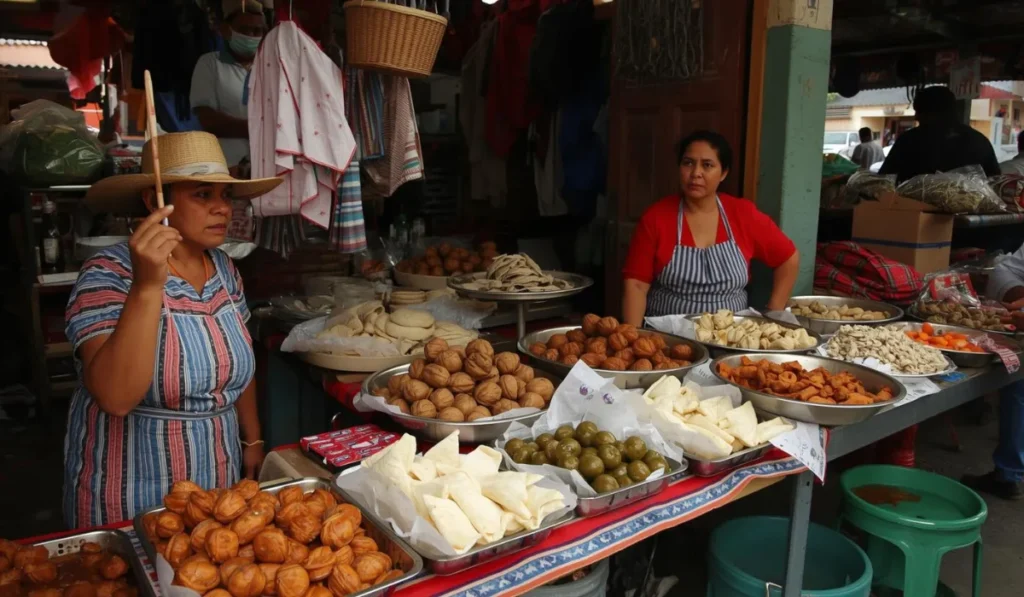
A Salvadoran food tour is more than a meal—it’s a window into the country’s history, traditions, and daily life. From the simple pleasure of a perfectly made pupusa to the complex flavors of traditional soups and the growing prestige of Salvadoran coffee, the country’s culinary scene rewards curious travelers.
El Salvador offers far more than its famous pupusas. By exploring different regions—from the capital’s markets to the highland towns of the Ruta de las Flores and the coastal areas—you’ll discover a diverse and delicious food culture that reflects the warmth and resilience of its people.
If you want to go beyond food, there’s plenty to explore: nature and bird tourism, beaches and hotels, surfing, colonial tourism in Suchitoto, and tourism in San Miguel. For beach comparisons, El Tunco vs. El Sunzal is a helpful read. And if you’re planning a coffee-focused trip, the Ruta de las Flores guide is essential.
Whether you join a guided tour, take a cooking class, or set out on your own with a rental car, the best Salvadoran food tour is the one that matches your pace and interests.
🍽️ Taste El Salvador. Explore more. Travel your way.
Planning a Salvadoran food adventure? Rent a car with Carvi and discover local markets, restaurants, pupuserías, coffee destinations, and regional food at your own pace.
👉 Rent a Car in El Salvador with Carvi
Share this content:
Post Comment