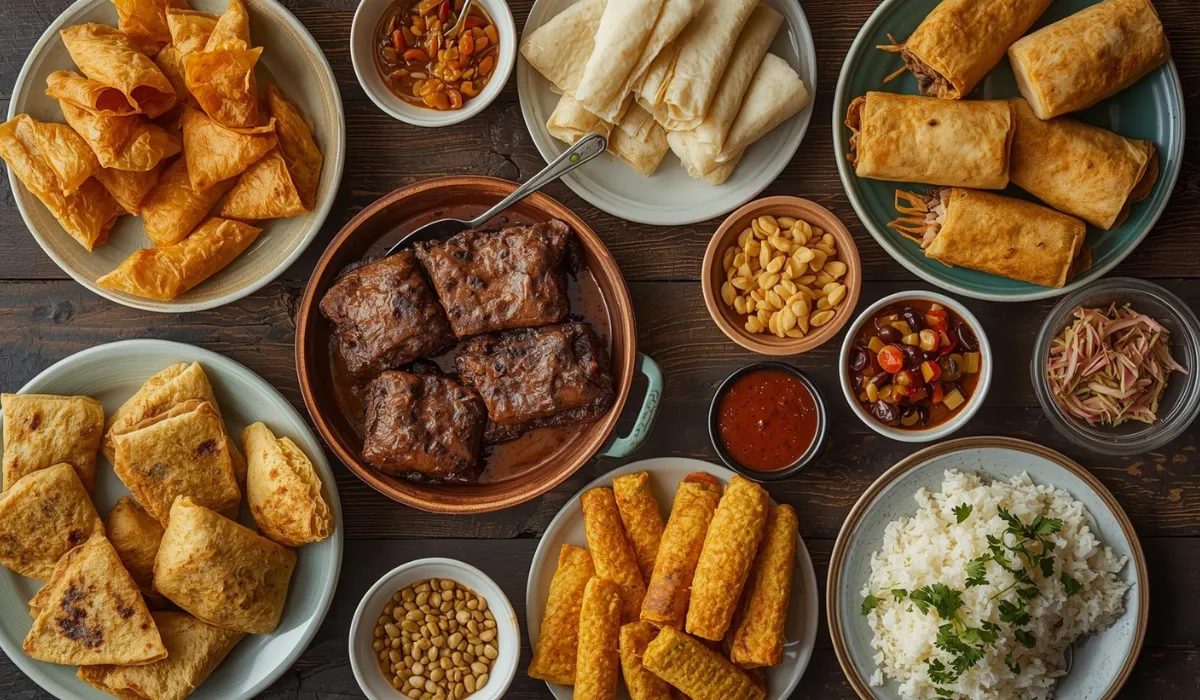
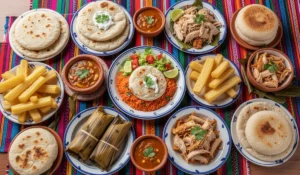
Salvadoran cuisine is one of the most representative in Central America, characterized by the blend of indigenous traditions — especially from the Pipil and Lenca peoples — and the influence of Spanish cooking brought during the colonial era. Its dishes are mainly made with ingredients like corn, beans, yucca, and a wide variety of spices that are part of the country’s cultural identity.
Corn is the central axis of this cuisine. Since pre-Columbian times, this grain has been the basis of the diet and a symbol of life for Mesoamerican cultures. The Spanish contributed new ingredients such as beef, pork, dairy products, and cooking techniques that fused with local products, giving rise to the rich variety of flavors known today.
Besides being a key element of Salvadoran culture, food is also an experience that travelers seek when visiting the country. If you want to discover restaurants and places to try these authentic dishes, you can explore options on Carvi, a platform that helps find local services and experiences.
Typical Dishes of Salvadoran Cuisine
Pupusas: The National Dish and Emblem of Salvadoran Cuisine
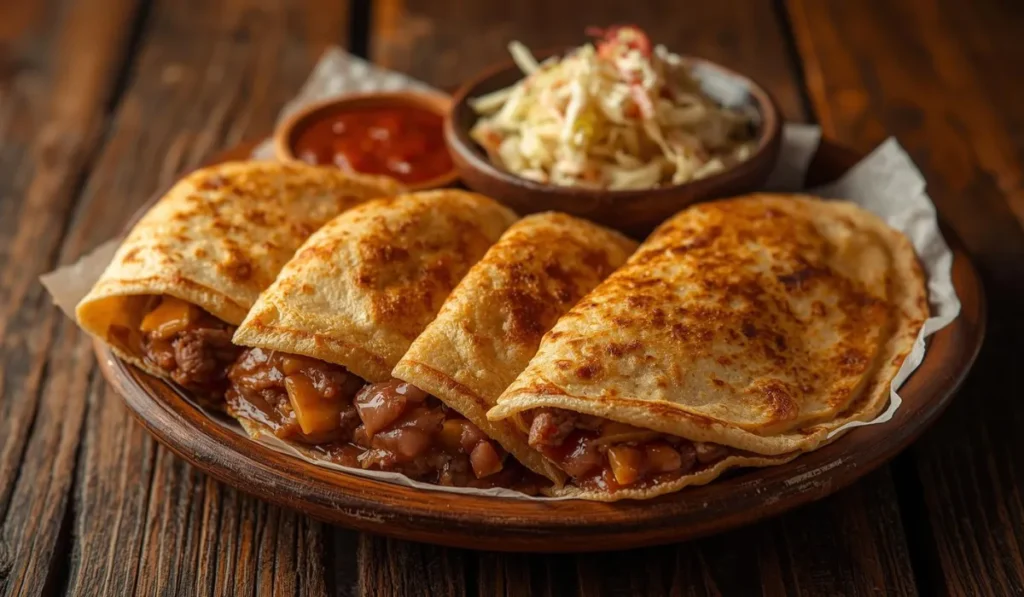
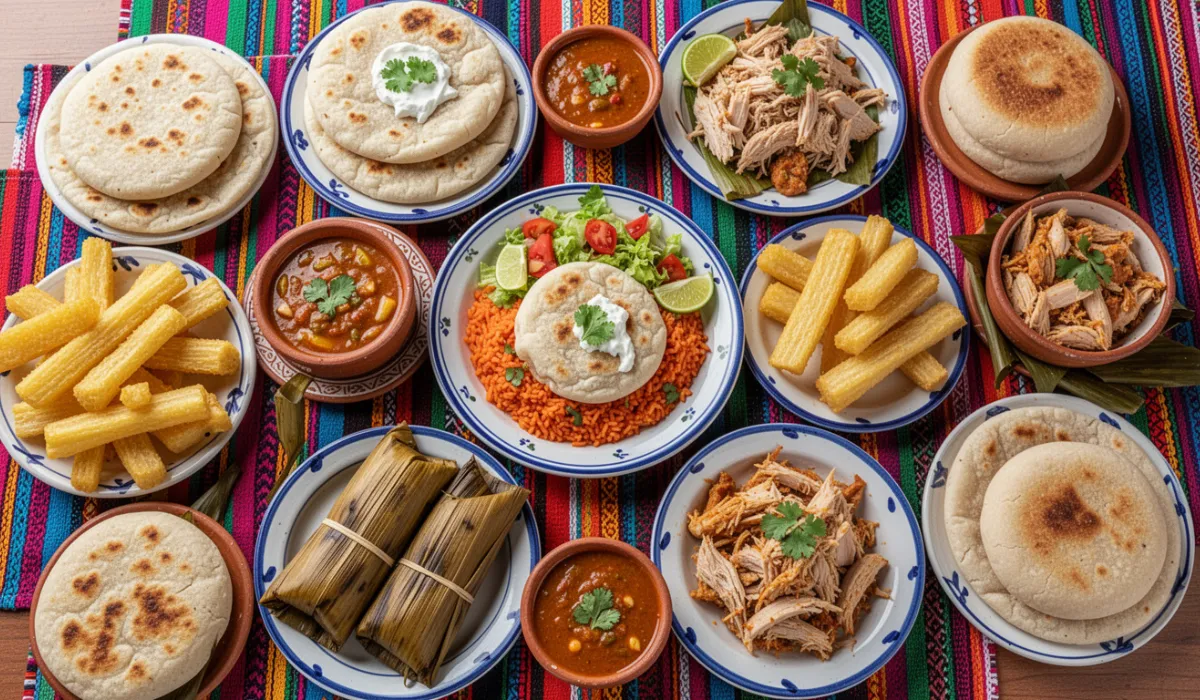
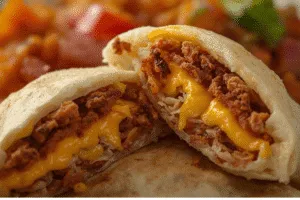
Pupusas are, without a doubt, the most famous dish in El Salvador and its greatest culinary ambassador. They are thick, stuffed corn tortillas cooked on a griddle until they achieve a golden, slightly crispy exterior and a soft interior.
Origin and History: Anthropological studies by Ramón Rivas place the origin of pupusas in the pre-Columbian era, before the arrival of the Spanish in America. The word “pupusa” comes from the Nahuat pupusawa or pupushaua, meaning “swelling” or “stuffed bulge,” referring to what happens to the tortilla when it inflates during cooking. Fray Bernardino de Sahagún, in his writings from 1570, already recounted the existence of a cooked dough dish mixed with meat and beans, which would be the most primitive form of the pupusa.
In 2005, the Legislative Assembly of El Salvador issued decree 655, declaring pupusas the “National Dish” due to “their autochthonous origin and popular acceptance.” Since then, every second Sunday of November is celebrated as “National Pupusa Day.”
Varieties and Preparation: Pupusas can be made from corn or rice dough. This latter variety emerged in 1939 when a corn shortage in Olocuilta led producers to seek alternatives, thus creating the rice pupusas that are now a specialty of that area. The most traditional fillings include:
- Cheese
- Refried beans
- Chicharrón (ground and seasoned pork)
- Revueltas (cheese and chicharrón)
- Loroco (edible vine flower, highly prized for its flavor)
- Chipilín, spinach, squash, chicken, or mushrooms
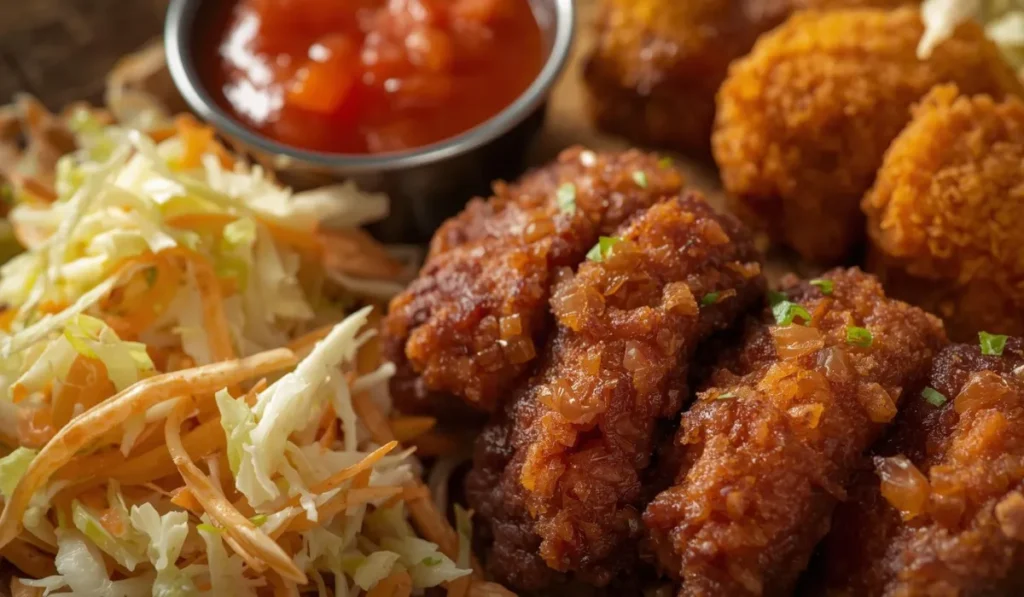
Indispensable Accompaniments: Pupusas are always served with curtido (a fermented cabbage, carrot, and onion slaw in vinegar) and homemade tomato sauce. This combination creates a perfect balance between the soft dough, the flavorful filling, and the tangy, fresh touch of the curtido.
Fun Fact: In January 2007, San Salvador was home to the world’s largest pupusa, recorded in the Guinness Book of Records. It had a diameter of 3.15 meters and was made with 200 pounds of dough, 40 pounds of cheese, and 40 pounds of chicharrón, feeding more than 5,000 people.
Fried Yucca with Chicharrón
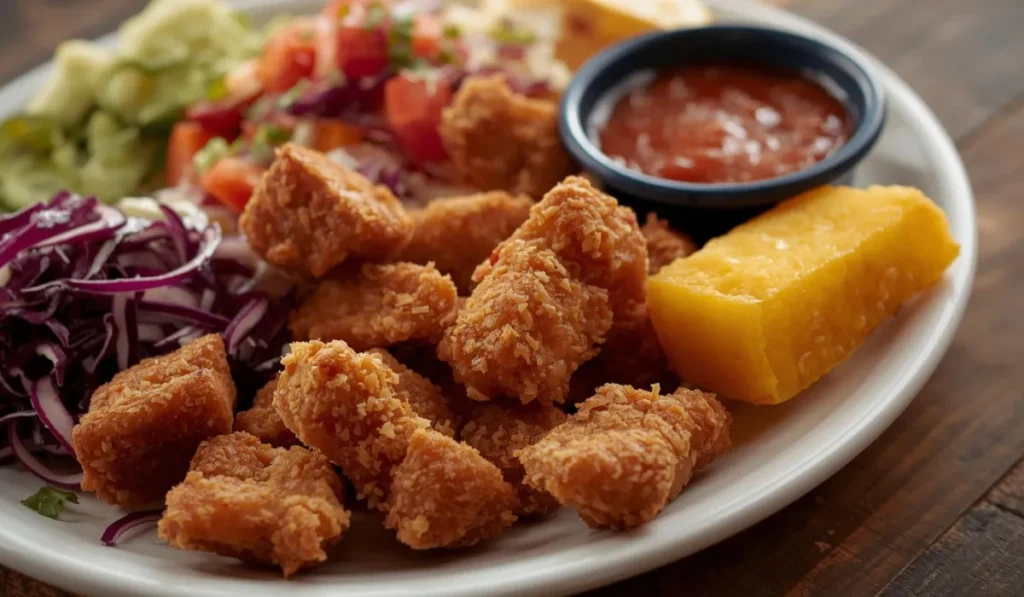
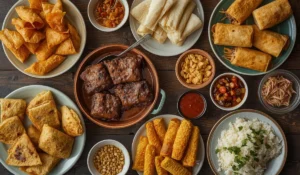
Fried yucca with chicharrón is another emblematic dish of Salvadoran cuisine, very popular as street food. Yucca, a highly valued tuber, is boiled and then fried until crispy on the outside and soft on the inside. It is served accompanied by crispy chicharrón (fried pork) and, like pupusas, with curtido and red sauce.
This dish is very popular in markets and street food stalls, where it is served as a hearty lunch or dinner. The combination of textures and flavors — the softness of the yucca, the crunchiness of the chicharrón, and the acidity of the curtido — makes it a unique experience within Salvadoran cuisine.
Salvadoran Tamales
Salvadoran tamales have their own personality within the large family of Latin American tamales. Unlike Mexican tamales, Salvadoran ones are usually larger and fluffier. The corn dough is mixed with broth from cooking the meat to add flavor and is filled with chicken or pork, potatoes, olives, and sometimes capers. Everything is wrapped in plantain leaves and steamed.
There are variants like tamales de elote, made with tender, sweet corn, which are especially popular during the rainy season.
Pata Soup (Sopa de Pata)
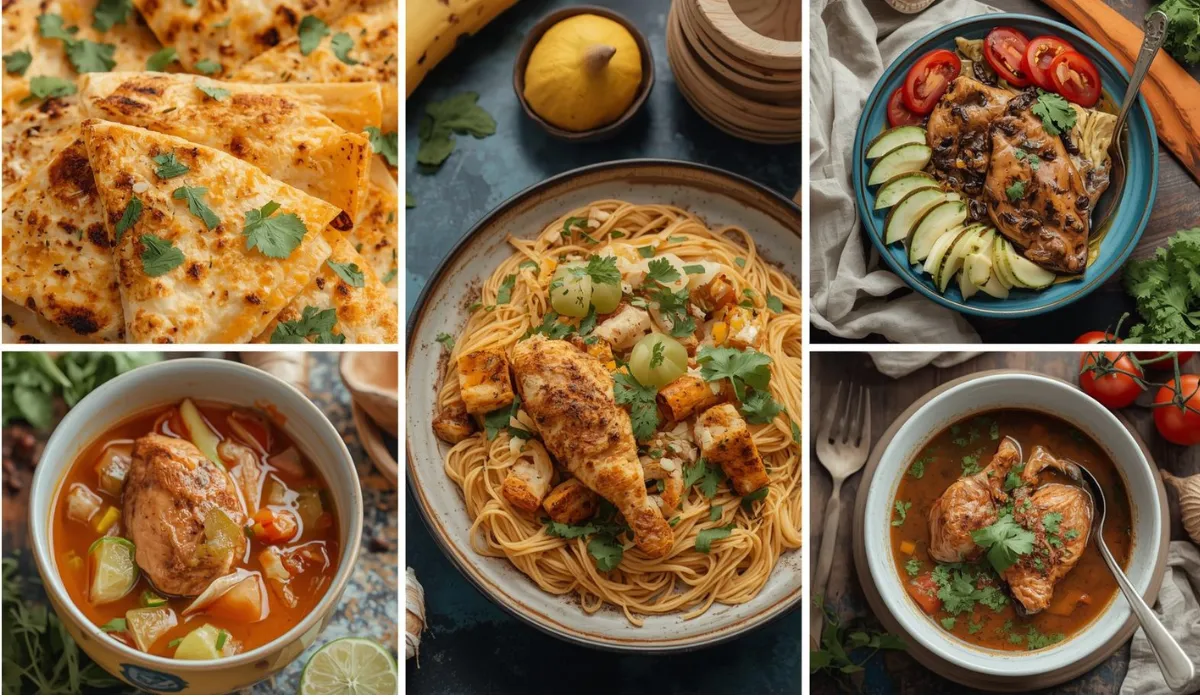
Pata soup is one of those recipes that tells a country’s story through its ingredients. It’s a hearty soup with roots in the colonial era, adapted from the “callos a la madrileña” (Madrid-style tripe) brought by the Spanish. Its main ingredient is beef foot, which is slow-cooked for several hours until it releases its collagen, giving the broth a rich, gelatinous texture.
Ingredients and Preparation: Besides beef foot, the soup includes tripe and a generous amount of vegetables such as chayote (güisquil), yucca, tender corn (elote), cabbage, carrots, and potatoes. It’s seasoned with spices like cumin, garlic, and relajo (a traditional spice blend), and served with a squeeze of lime and chili to taste.
Cultural Value: In El Salvador, pata soup is especially enjoyed on cold or rainy days, as it’s considered a comforting and energy-giving dish. Traditionally, it’s consumed as a home remedy to alleviate colds or muscle aches, and although it was once considered humble food, it is now highly valued in both celebrations and everyday cooking.
Salvadoran Casamiento (Married Rice and Beans)
The name of this dish suggests the perfect union of two basic ingredients: rice and beans. It’s prepared by frying onion and garlic, then adding cooked beans (usually black or red) and finally white rice, mixing everything with a little bean broth to keep it moist and flavorful.
Casamiento is the ideal side dish for any meal of the day, from breakfast with eggs and fried plantains to lunch or dinner. Nutritionally, the combination of rice and beans is a perfect pairing, as together they form a complete protein similar to that of meat.
👉 If you want to try these dishes at authentic local restaurants, you can search for recommendations and nearby options using Carvi.
Traditional Drinks of Salvadoran Cuisine
Morro Horchata
Salvadoran horchata is very different from Valencian tiger nut horchata or Mexican rice horchata. It’s made from morro seeds (Crescentia alata), a tree gourd. The seeds are toasted and ground together with rice, sesame seeds, peanuts, and cinnamon, creating a powder that is mixed with water or milk. The result is a refreshing drink with a sweet, spiced flavor and a slightly gritty texture that characterizes it.
Sweet Corn Atol (Atol de Elote)
This hot, thick, sweet drink is a true hug in a cup. It’s made from tender corn (elote) ground and cooked with milk, sugar, and cinnamon. Its origin dates back to the pre-Hispanic Maya era, when it was consumed as an energizing and ceremonial beverage.
Sweet corn atol is very common during festivities and in markets, especially on cold mornings or as a snack. Its mild flavor and creamy texture make it a favorite for children and adults alike within Salvadoran cuisine.
Chilate
Chilate is one of the most traditional and historic drinks in El Salvador. Its origin dates back to pre-Columbian times when corn was the basis of the diet and a symbol of life.
Preparation and Characteristics: It’s made with nixtamalized corn flour (like Maseca or fresh corn dough) dissolved in water and cooked slowly with fresh ginger and allspice (pimienta gorda). The drink is cooked for about 25-30 minutes until it achieves a light, silky atol-like texture. It’s served very hot and sweetened with panela honey or rapadura honey.
How it’s Enjoyed: In El Salvador, chilate is typically drunk in “chilaterías” and is traditionally accompanied by typical sweets like nuégados (made from yucca, dough, or eggs) bathed in honey, plantain in honey, or fried yucca. The combination of ginger’s aromatic spiciness with the sweetness of the accompaniments is a perfect contrast and one of the country’s most beloved snacks.
Other Traditional Drinks
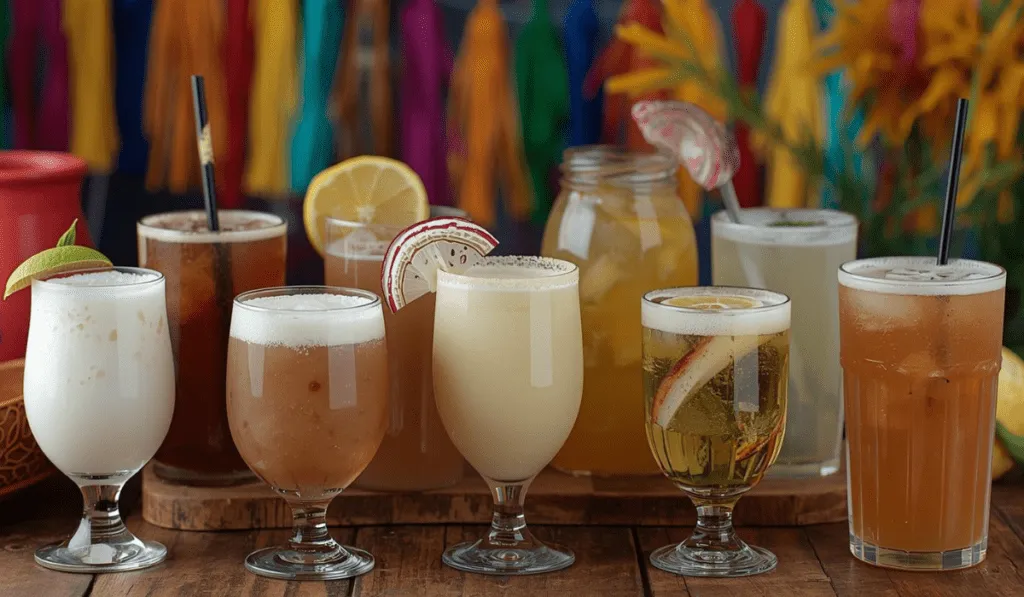
- Atol Chuco: Made from fermented corn, with a sour taste and thick texture, very popular in the western part of the country.
- Nance Liqueur: Artisanal alcoholic beverage made from the nance fruit.
- Leche Poleada: A thick liquid dessert made with milk, cinnamon, and cornstarch, similar to a sweet cream.
If you’re exploring the country’s culinary culture, with Carvi you can find places to try these traditional drinks during your gastronomic tour.
Typical Salvadoran Desserts
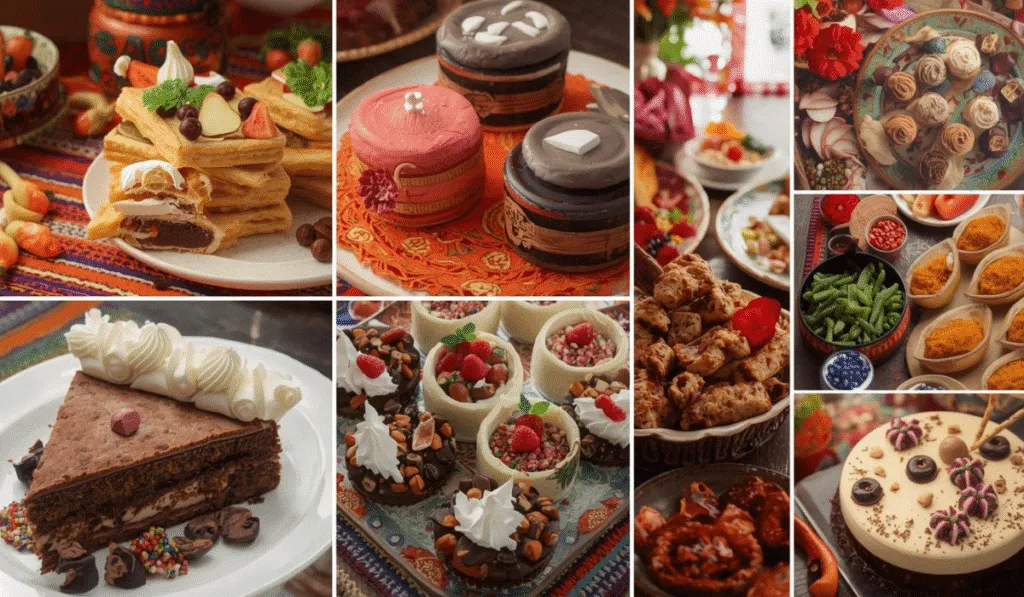
Marquesote
Marquesote is a fluffy, soft sponge cake, similar to a pound cake, but without milk or butter. Its fluffiness is achieved by beating egg whites until stiff and carefully folding them into a mixture of egg yolks, sugar, rice flour, and cinnamon. It’s flavored with cinnamon and common at family celebrations, served with a cup of coffee in the morning or afternoon.
Although it’s also found in other Central American countries like Honduras and Guatemala, Salvadoran marquesote has its own personality and is part of the country’s baking tradition.
Torrejas
Torrejas are the star dessert of Holy Week in El Salvador, although they are enjoyed all year round. They have Spanish origins and are made with slices of bread (traditionally French bread or egg bread) soaked in milk, coated in egg, and fried. They are then bathed in a thick syrup made from panela (unrefined cane sugar) with cinnamon and sometimes allspice.
María Luisa Cake
A delicate cake composed of several layers of a light sponge cake (similar to marquesote) joined with a layer of pineapple jam. It’s usually decorated with powdered sugar or a light meringue and is a classic in Salvadoran bakeries. Its name and origin have a certain air of mystery, but its popularity within Salvadoran cuisine is unquestionable.
Most Used Ingredients in Salvadoran Cooking
Corn: The Foundation of Salvadoran Cuisine
Corn is the fundamental pillar of Salvadoran cuisine. It appears in practically every meal: in pupusas, tamales, atoles, chilate, and the indispensable tortillas that accompany any dish. Nixtamalization — cooking corn with lime — is a pre-Hispanic process that improves its nutritional value and allows for the dough used in all these preparations.
Beans and Rice in the Daily Diet
The combination of rice and beans is a nutritionally perfect pairing, as together they form a complete, high-biological-value protein. It’s the basis of the daily diet, whether in casamiento, as a side dish, or even in bean pupusas themselves.
Yucca in Salvadoran Cooking
This tuber is very versatile and beloved in El Salvador. It’s consumed fried (as a main dish with chicharrón), boiled (in soups like pata soup), or sweetened. Its soft texture and ability to absorb flavors make it an indispensable ingredient.
Curtido and Traditional Sauces
Curtido is not just a garnish; it’s a tangy, fresh counterpoint that balances the richness of fried foods and doughs. Its preparation — a light fermentation of cabbage with carrot, onion, and chili in vinegar — gives it a unique flavor. Tomato sauce, for its part, adds juiciness and a cooked flavor that perfectly complements all dishes.
Where to Try Salvadoran Cuisine
Traditional Restaurants
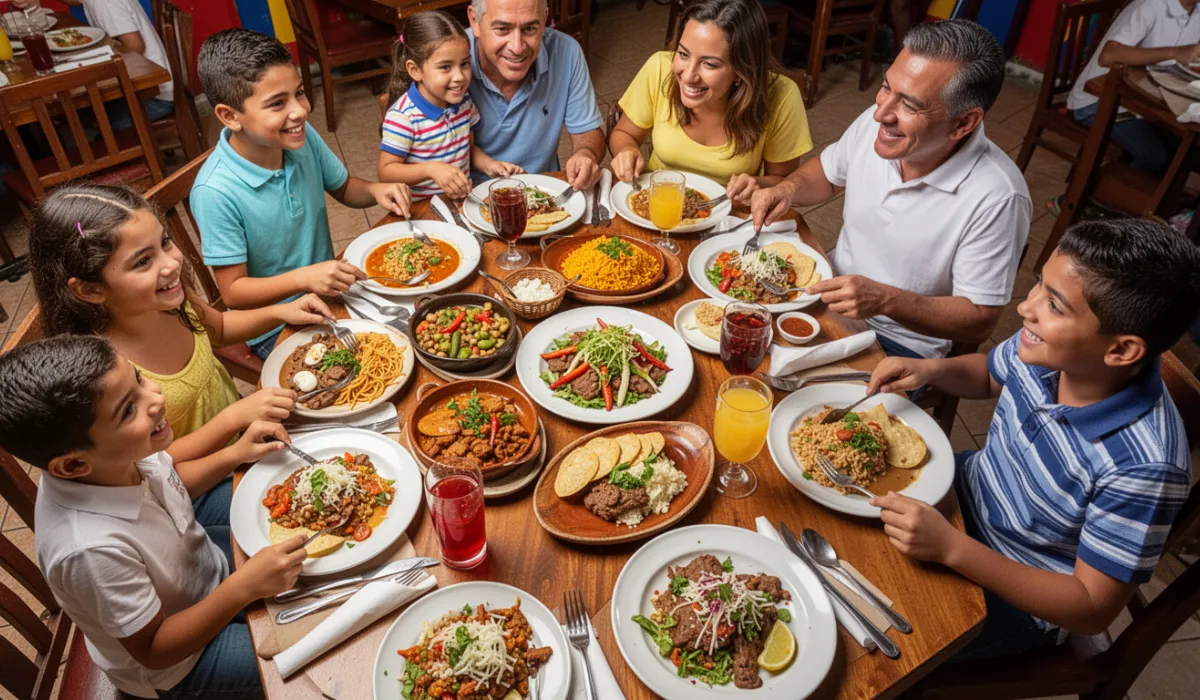
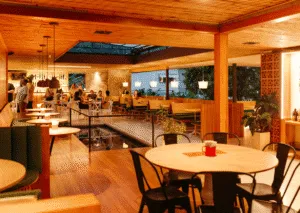
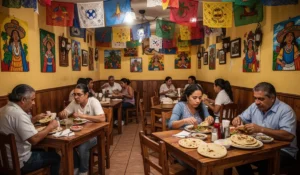
In the country’s cities and towns, you can find restaurants that maintain traditional recipes passed down through generations. From family-run eateries to more formal establishments, all offer the opportunity to taste authentic Salvadoran cuisine.
Pupusódromos: The Temple of the Pupusa
A unique phenomenon in El Salvador is the pupusódromos, concentrations of multiple pupuserías in one place. The municipality of Olocuilta, in the department of La Paz, is famous for housing four pupusódromos:
- Pupusódromo El Triángulo: Located on the old road to Zacatecoluca, with 10 establishments.
- Pupusódromo Buena Vista: On the Comalapa highway, heading towards San Salvador.
- Pupusódromo El Manguito: On the Comalapa highway, from San Salvador towards the airport.
- Pupusódromo La Esquinita: Known for selling mini pupusas (five for one dollar).
In these places, each pupusería competes to offer the best quality, some maintaining the tradition of the clay griddle and others using griddles, but all with the goal of preserving the authentic flavor.
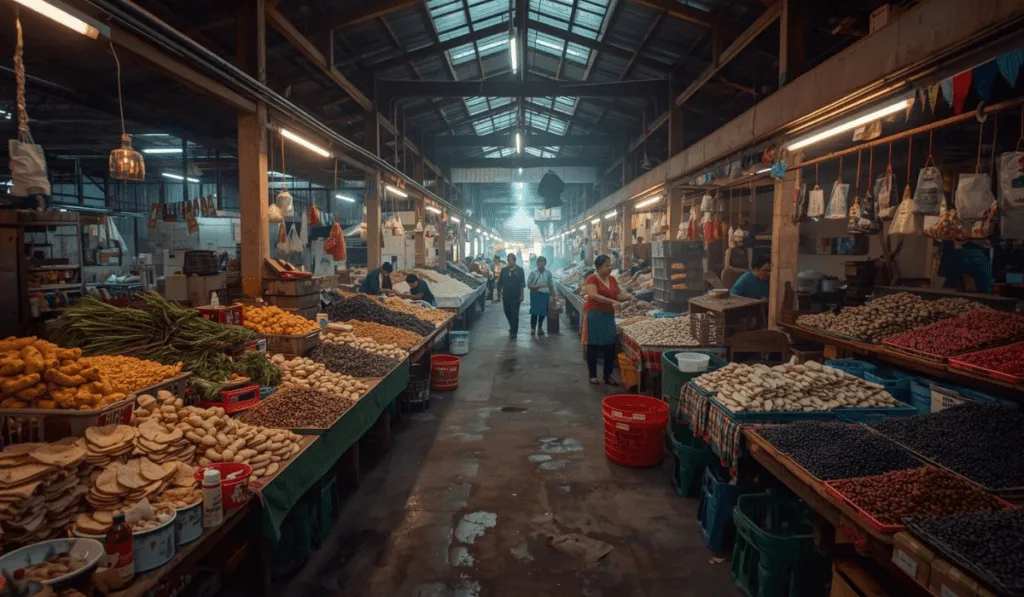
Gastronomic Markets
Local markets are one of the best places to try authentic food at affordable prices. The Central Market of San Salvador, the Antiguo Cuscatlán Market, or the municipal markets of any city offer stalls where you can eat like a local and immerse yourself in the most authentic Salvadoran cuisine.
Salvadoran Street Food
Street food is a fundamental part of the country’s culinary culture. On almost any corner, you can find vendors selling pupusas, fried yucca, tamales, or atoles. It’s the most authentic and affordable way to approach Salvadoran cuisine.
⭐ Discover the best places to try Salvadoran cuisine
Explore local options and organize your gastronomic experience by visiting
or using Carvi to find services and recommendations during your trip.
Tips for Enjoying Salvadoran Cuisine Like a Local
Visit Traditional Pupuserías
Not all pupusas are the same. Look for pupuserías where they make them by hand on the spot and cook them on a clay griddle; some regions like Izalco are famous for this tradition, which gives them a unique smoky flavor. It’s also worth trying the “pupusas chorombas” from Apopa, a peculiar large-sized dish that has been made since the 70s and 80s.
Explore Local Markets
The culinary heart of any Salvadoran city or town beats in its market. There you’ll find everything from a cup of coffee with marquesote for breakfast to fried yucca or a plate of pata soup for lunch, all with an authentic and unmatched atmosphere.
Participate in Food Festivals
Keeping an eye on food festivals, especially in August (during the San Salvador patron saint festivities) or in November (Pupusa Month), is an excellent way to sample a wide variety of dishes in one place.
Know How to Pair
Salvadorans have their own unwritten rules for accompanying each dish. Pupusas always come with curtido and sauce, chilate calls for nuégados, and pata soup is best enjoyed with a little lime and chili. Don’t be afraid to ask the locals; they’ll guide you gladly.
👉 To plan your culinary experience and discover authentic places, you can use Carvi and find useful services during your visit.
Conclusion
Salvadoran cuisine is a living expression of its culture and history. From the famous pupusas — declared the national dish and granted a denomination of origin since 2018 — to traditional drinks like pre-Columbian chilate and the typical desserts that sweeten celebrations, each dish reflects the country’s identity and its culinary richness.
What’s fascinating about Salvadoran cuisine is how it has managed to preserve its pre-Hispanic roots while incorporating external influences, creating a unique culinary tradition that Salvadorans carry with pride wherever they go. It’s no coincidence that pupusas have followed Salvadoran migrants around the world, becoming a cultural ambassador and a link to their homeland.
If you want to explore these flavors and discover places to try them, Carvi can help you find local options and organize an authentic gastronomic experience. Discover El Salvador through its flavors and let Carvi be your guide to finding the culinary treasures this country has to offer.
Share this content:
Post Comment