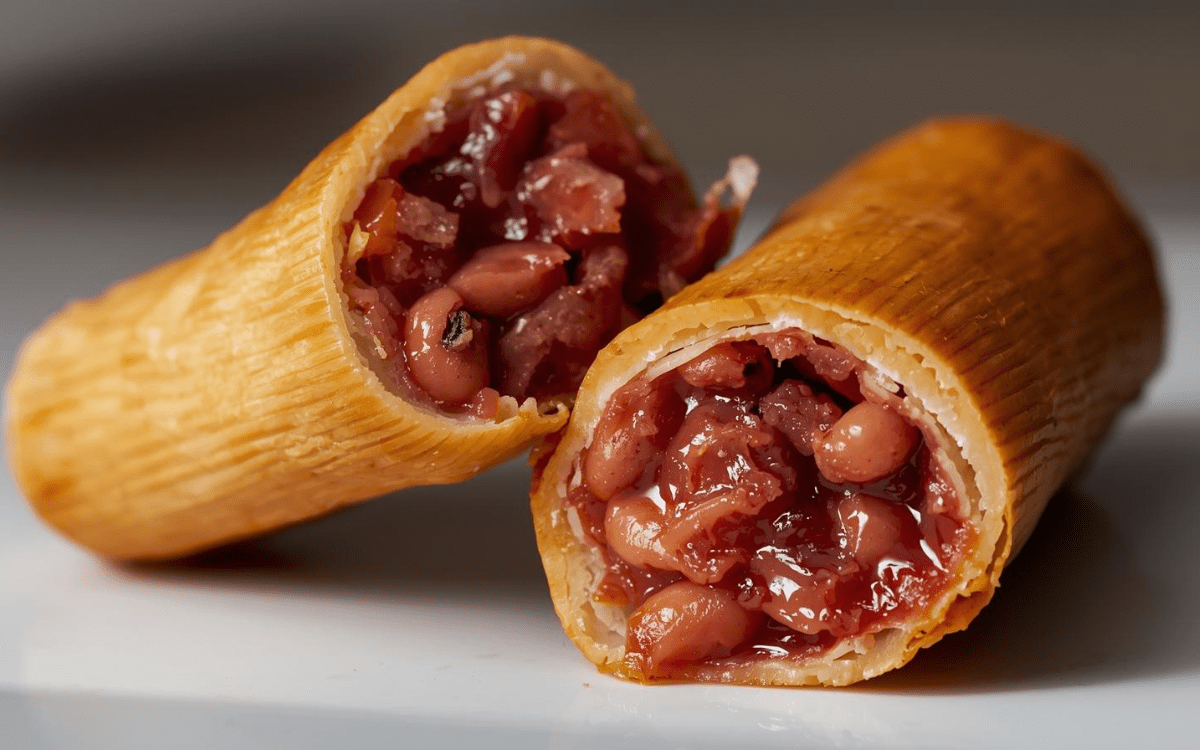
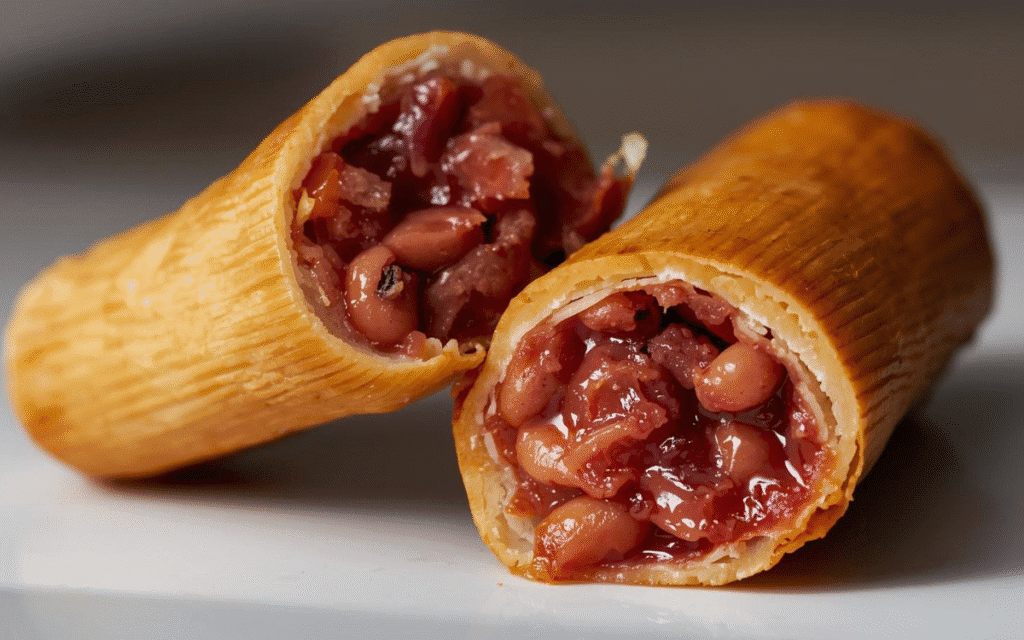
Salvadoran Pisque Tamales are much more than a simple dish; they are an expression of cultural heritage, a symbol of community, and a culinary delight that has been passed down from generation to generation. Unlike other regional tamales, the pisque is characterized by its distinctively reddish-colored dough and its signature bean filling. In this definitive guide, we will explore all its secrets, from its meaning to a step-by-step recipe so you can recreate the authentic flavor of El Salvador in your own home.
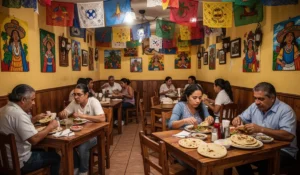
Exploring Salvadoran Pisque Tamales is not only about tasting a delicious dish — it’s about experiencing a culinary tradition rooted in local culture. Many of the best places to enjoy them are spread across different cities, from San Salvador to Santa Ana and small towns in between.
To fully enjoy your foodie journey without worrying about transportation, renting a car with Carvi is the easiest option. You can book online, avoid long lines, and travel comfortably between markets, restaurants, and local stalls.
🚗 Book your car with Carvi and explore Salvadoran tamales freely
📜 What are Pisque Tamales? Origin and History
The Salvadoran pisque tamale is a unique variety of tamale characterized by the absence of meat. Its name, “pisque,” is believed to derive from the Pipil phrase “pisqui tamal,” which refers to its main ingredient: beans. It is a humble yet flavorful food, very common during Lent and Holy Week, though it is enjoyed all year round.
Its origin dates back to the indigenous traditions of Mesoamerica, where corn and beans were the staples of the diet. This tamale is a testament to culinary creativity in creating a nutritious and satisfying dish using basic, local ingredients. It is, in essence, an edible piece of history.
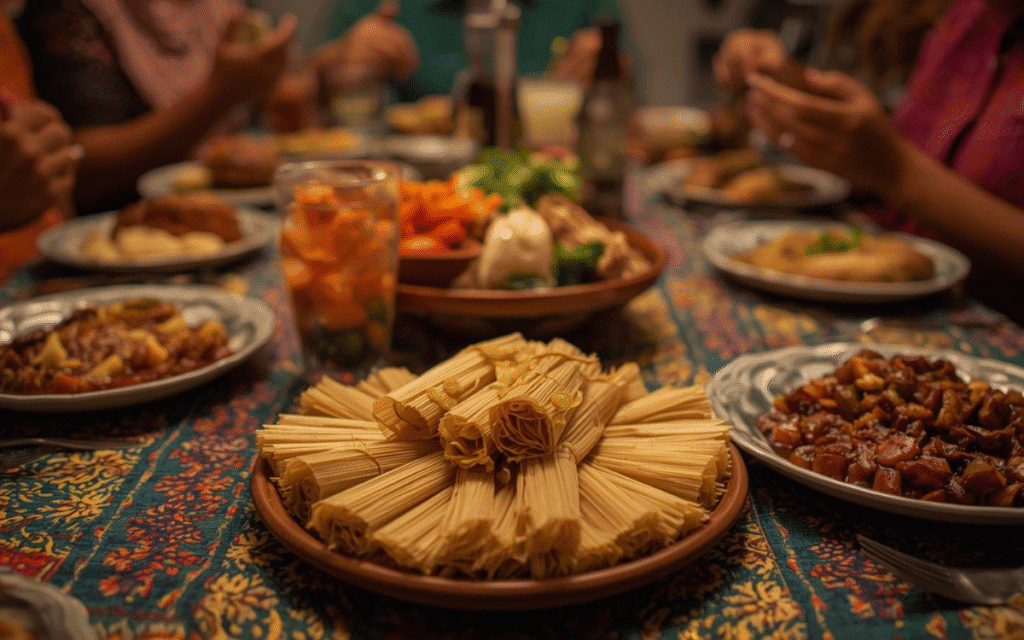
🧂 Authentic Ingredients for the Recipe
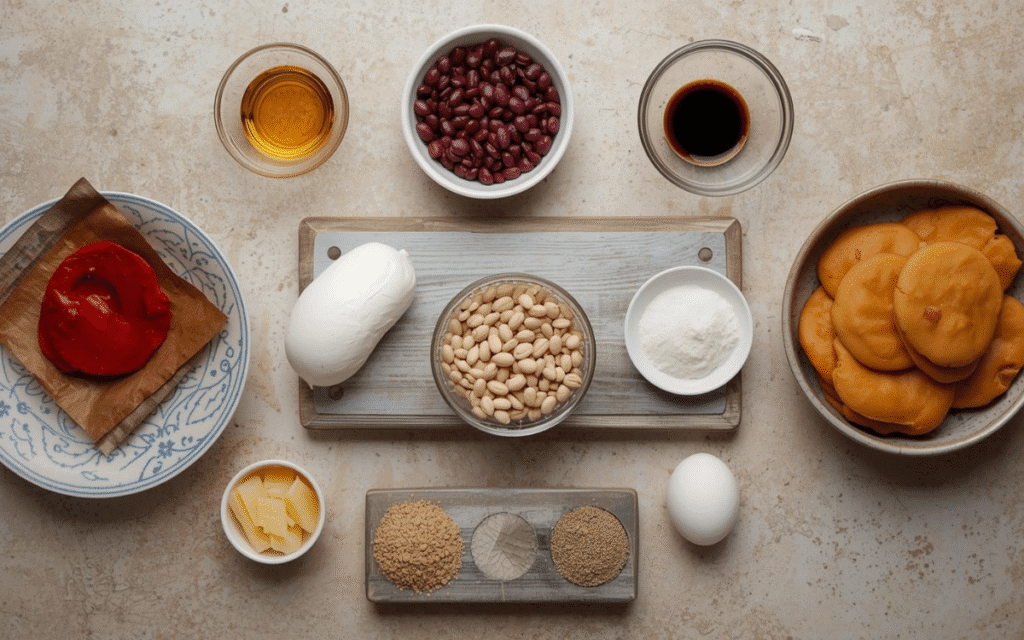
The authenticity of the Salvadoran pisque tamale lies in the quality and simplicity of its ingredients. To prepare approximately 12 tamales, you will need:
- For the dough:
- 500 grams of nixtamalized corn masa (the same used for tortillas).
- 150 ml of vegetable oil or lard.
- Chicken or vegetable broth (enough to achieve a fluffy consistency).
- 1 packet of achiote seasoning (or natural achiote paste).
- Salt to taste.
- For the bean filling (recado):
- 500 grams of cooked red beans, preferably homemade.
- 1 medium onion, chopped.
- 2 cloves of garlic, crushed.
- Oil for frying.
- Salt to taste.
- For assembling the tamales:
- Plantain leaves, cut into rectangles and briefly passed over a flame to make them flexible.
- Kitchen twine or thin strips from the plantain leaves themselves for tying.
👩🍳 How to Make Pisque Tamales Step by Step
Follow these steps meticulously to guarantee success with your Salvadoran pisque tamales.
- Preparing the Dough:
- In a large bowl, whisk the corn masa with the oil (or lard) until well combined.
- Dissolve the achiote seasoning in a little warm broth and add it to the masa. It should take on a uniform red color.
- Gradually incorporate the remaining broth while continuing to whisk. The dough should be smooth, thick, and easy to spread, similar to a thick puree. Season with salt. Whipping well is key to an airy texture.
- Preparing the Bean Filling (Recado):
- In a skillet with a little oil, sauté the onion and garlic until translucent.
- Add the cooked beans (you can lightly mash them with a fork or leave them whole, according to your preference) and fry everything together for about 5-7 minutes, seasoning with salt. The filling should be thick, not watery.
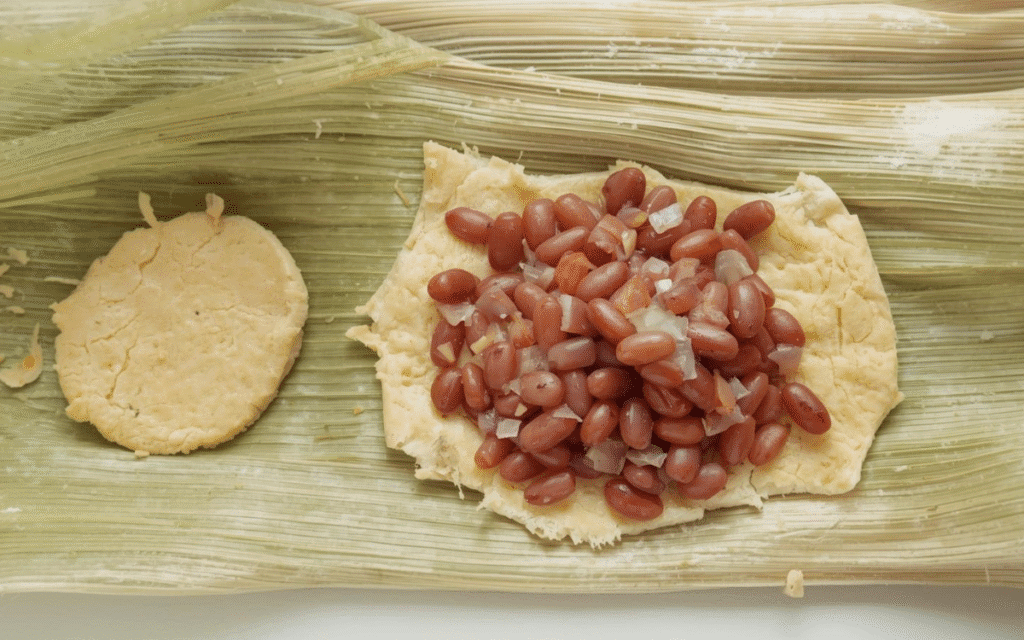
- Assembling and Wrapping the Tamales:
- Place a plantain leaf on a flat surface, with the smoothest side facing up.
- In the center of the leaf, place a generous portion of dough (about 2 large tablespoons) and spread it slightly into a rectangle.
- In the center of the dough, place a tablespoon of the bean filling.
- Fold the plantain leaf first by the long sides towards the center and then by the ends, forming a rectangular package. Secure it well with the twine. The package must be well sealed so the steam doesn’t escape.
- Cooking Time and Method:
- In a large, deep pot (a tamale steamer or regular steamer), place a little water at the bottom. Make sure the water does not touch the tamales. You can put a coin at the bottom of the pot; if it stops rattling, it’s a sign you need to add more hot water.
- Place the tamales vertically or in layers inside the pot. Cover well and steam for about 1 hour and 30 minutes over medium heat.
- To check if they are ready, open one tamale; the dough should be firm and have easily pulled away from the leaf.
🔎 5 Family Secrets for the Perfect Flavor
- Whisk Vigorously: The secret to a fluffy, non-rubbery Salvadoran pisque tamale dough is to whisk it vigorously with the oil. This step incorporates air and guarantees a light texture.
- The Broth is Key: Use homemade chicken broth to hydrate the dough. This adds a depth of flavor that plain water simply cannot match.
- Aromatic Leaves: Passing the plantain leaves briefly over the stove flame not only makes them flexible but also releases their aromatic oils, which infuse the tamale during cooking.
- Testing the Dough: To check the seasoning of the dough before assembling all the tamales, cook a small portion in a skillet, as if it were a tortilla. This allows you to adjust the salt or achiote in time.
- Resting After Cooking: Once cooked, let the tamales rest for 10-15 minutes outside the pot. This allows the dough to set and achieve the perfect texture.
💬 Frequently Asked Questions about Pisque Tamales
- What are pisque tamales served with?
Traditionally, they are served with a cup of Salvadoran coffee or, for dinner, with sour cream and grated hard cheese. They are also perfect on their own. - How long do they last and how do you reheat them?
They last up to 5 days refrigerated and several months frozen. The best way to reheat them is by steaming so they don’t dry out. You can also crumble them and lightly brown them in a skillet for a different texture. - How are they different from other tamales?
The main difference from the common Salvadoran tamal is the absence of meat. Its distinctive flavor comes from the combination of the achiote-seasoned dough and the bean filling, unlike Mexican tamales, which are often spicier and more varied in fillings.
✅ Conclusion
Preparing Salvadoran pisque tamales is a culinary journey that connects with the most authentic roots of El Salvador. It is not just a recipe; it is a ritual that invites sharing with family and celebrating simple yet profound flavors. We encourage you to prepare them and discover why this dish holds such a special place in the heart of Salvadorans.
We hope this guide has been helpful! If you have any anecdotes or your own family secret for making tamales, please share it in the comments
Tasting Salvadoran Pisque Tamales is more than a culinary experience — it’s an immersion into local tradition. To enjoy every stop, travel at your own pace, and explore beyond the main spots, having your own vehicle is essential.
With Carvi, renting a car is simple, secure, and convenient, making your Salvadoran foodie journey comfortable and memorable.
🔥 Reserve your car with Carvi and enjoy the ultimate Pisque Tamales tour
Share this content:


Post Comment