- What Are Traditional Salvadoran Dishes?
- 🥇 Top 5 Most Famous Traditional Salvadoran Dishes
- 15 Traditional Salvadoran Dishes You Must Try
- Are Traditional Salvadoran Dishes Spicy?
- What Do Salvadorans Eat Daily?
- Traditional Salvadoran Drinks
- Traditional Salvadoran Dishes by Region
- Gastronomic Route and How to Get Around
- Frequently Asked Questions (FAQ) About Traditional Salvadoran Dishes
- Conclusion
Traditional Salvadoran dishes are rich, flavorful, and deeply rooted in indigenous Pipil and Lenca heritage, blended with Spanish colonial influences. Dishes like pupusas, tamales, and yuca frita stand out as national favorites. 🇸🇻
If you’re searching for the most famous traditional Salvadoran dishes, this guide will show you exactly what to eat in El Salvador.
Below you’ll find 15 must-try traditional Salvadoran dishes that define the country’s cuisine, from street food classics to authentic homemade meals.
🚗 Planning a food trip in El Salvador? Move easily between restaurants and markets with Carvi.
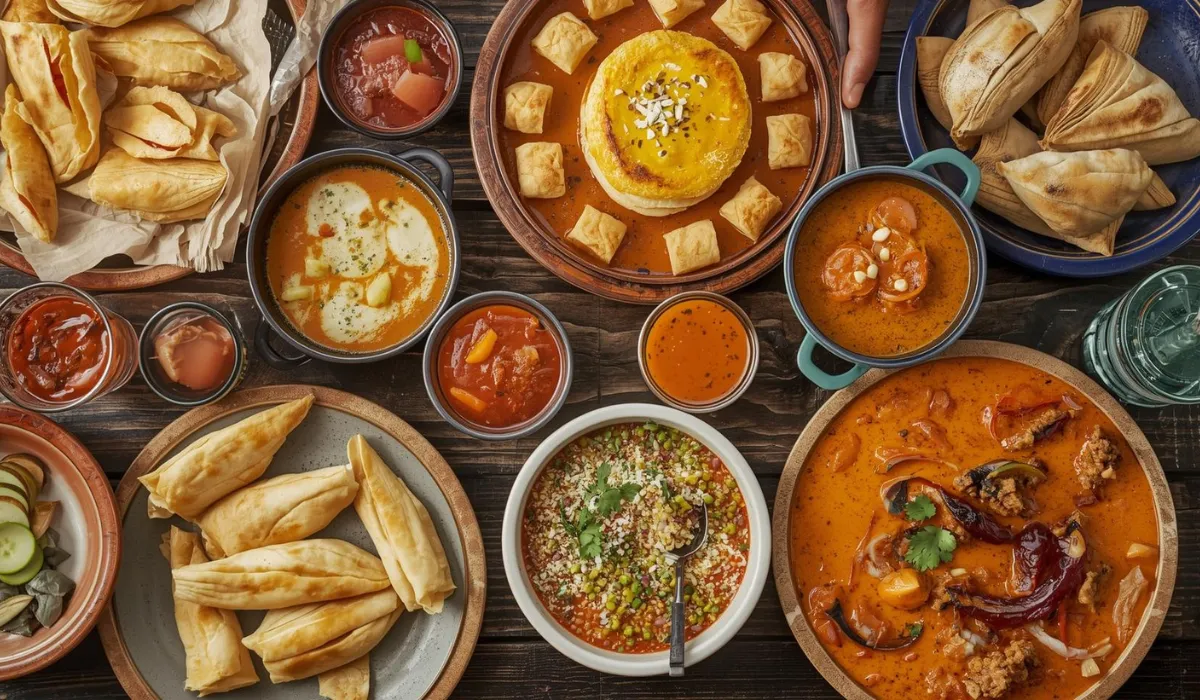
What Are Traditional Salvadoran Dishes?
Traditional Salvadoran dishes are a unique blend of indigenous and Spanish culinary traditions. Corn, beans, and squash form the sacred “milpa” base, while ingredients like loroco (an edible flower), morró seeds, yuca, and plantains add distinct local character. Unlike other Central American cuisines, traditional Salvadoran dishes are not spicy by default — heat comes from table sauces and pickled chilies added to taste.
For a deeper dive into the culinary traditions of the country, check out our complete guide to Salvadoran Cuisine.
🥇 Top 5 Most Famous Traditional Salvadoran Dishes
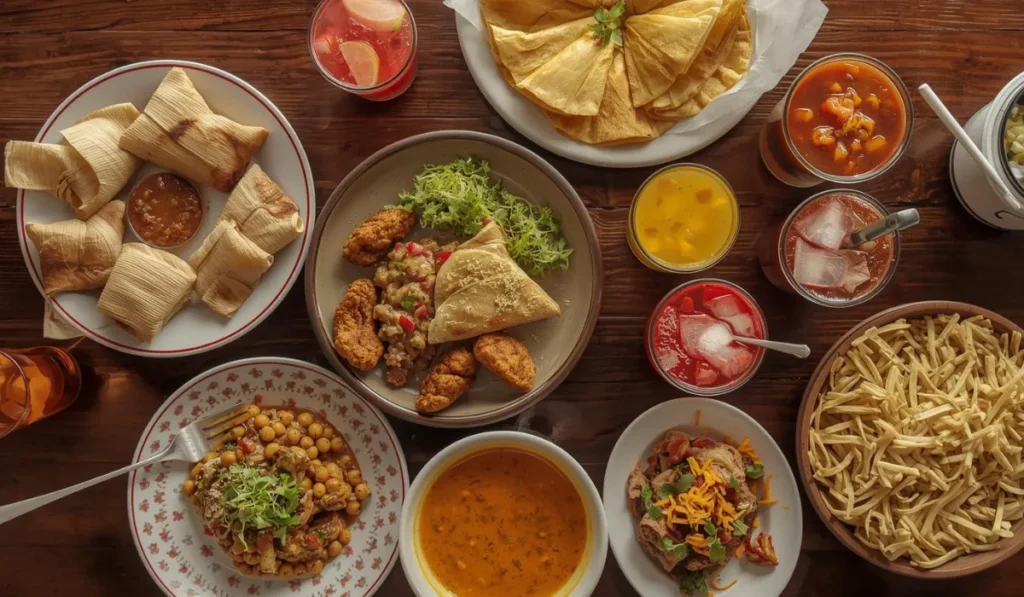
If you only have a short time, start with these five iconic traditional Salvadoran dishes:
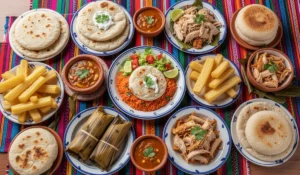
- Pupusas – The national dish (UNESCO heritage)
- Tamales Salvadoreños – Wrapped in plantain leaves
- Yuca Frita con Chicharrón – Crispy cassava with pork
- Sopa de Pata – Hearty beef foot soup
- Empanadas de Plátano – Sweet plantain-filled pastries
🚗 Want to try all these traditional Salvadoran dishes in one day? Use Carvi to explore local food spots easily.
15 Traditional Salvadoran Dishes You Must Try
1. Pupusas (The National Dish)
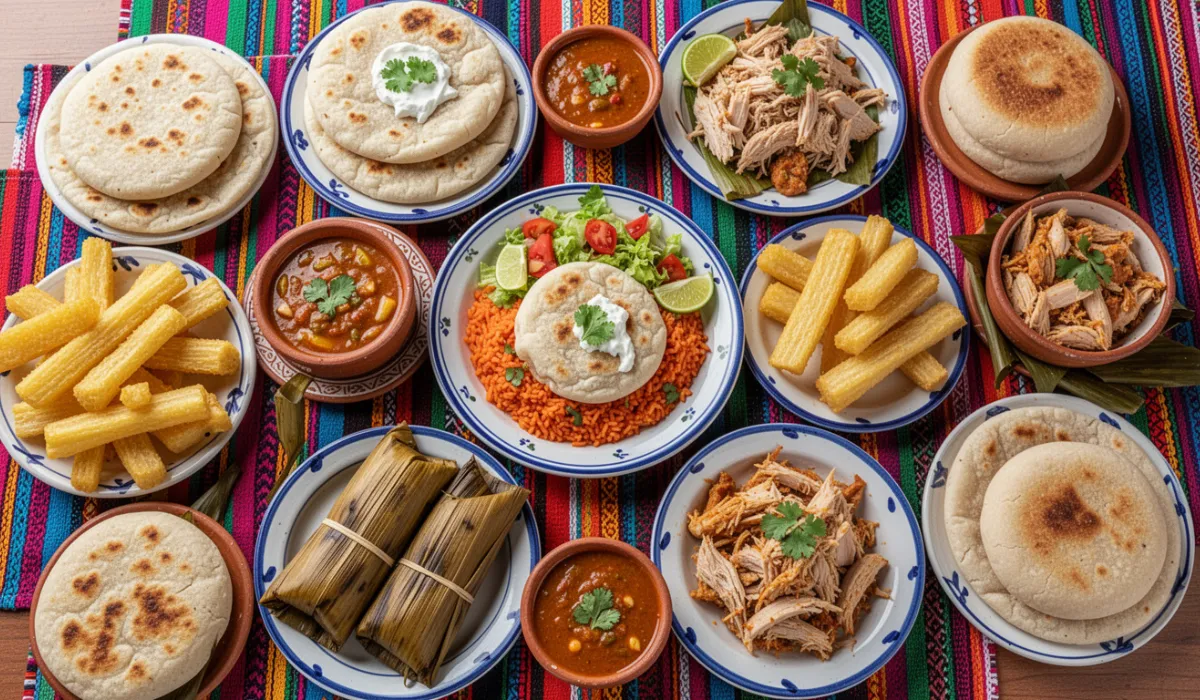
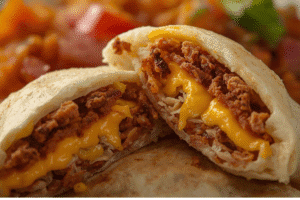
Declared Intangible Cultural Heritage of Humanity by UNESCO, the pupusa is the soul of El Salvador and the most famous of all traditional Salvadoran dishes. It’s a thick corn or rice tortilla stuffed with cheese, beans, chicharrón (seasoned ground pork), loroco, or combinations like revueltas (cheese, beans, and chicharrón). Served with curtido (fermented cabbage slaw) and tomato sauce.
Where to find the best: Look for pupusódromos like the ones in Olocuilta or the San Salvador Central Market. For a full list of authentic dining spots, visit our guide to Salvadoran Restaurants.
2. Salvadoran Tamales
Among traditional Salvadoran dishes, tamales have their own distinct identity. Unlike Mexican tamales, Salvadoran tamales are larger, fluffier, and wrapped in plantain leaves (not corn husks), giving them an incomparable aroma. The masa is mixed with meat broth for extra flavor. Varieties include tamal de gallina/pollo (chicken with olives and capers), tamal pisque (mixed with black beans), and tamal de elote (sweet corn).
3. Fried Yuca with Chicharrón
The quintessential Salvadoran street food lunch and one of the most beloved traditional Salvadoran dishes. Yuca (cassava) is boiled then fried until golden and crispy, topped with crunchy pork chicharrón. Served with curtido or chimol (fresh tomato, onion, and cilantro salsa). Look for specialized “yucas” near markets in Antiguo Cuscatlán or Chalchuapa.
4. Sopa de Pata (Beef Foot Soup)
A hearty, collagen-rich soup with roots in colonial Spain (callos a la madrileña). This is one of the most unique traditional Salvadoran dishes for adventurous eaters. Slow-cooked beef foot and tripe combine with chayote, yuca, tender corn, cabbage, carrots, and potatoes. Seasoned with cumin, garlic, and relajo. Traditionally enjoyed on cold or rainy days as a comforting remedy for colds and muscle aches.
5. Empanadas de Plátano
A sweet snack or dessert made from ripe plantains. Among traditional Salvadoran dishes, this one stands out for its contrast: the plantain dough is fried and filled with sweetened refried beans or leche poleada (thick dulce de leche), then sprinkled with sugar.
6. Panes con Pollo/Pavo
The typical party sandwich and a staple of traditional Salvadoran dishes for celebrations. A soft French bread roll is stuffed with shredded chicken or turkey cooked in a rich tomato and spice sauce, then piled high with cabbage, radish, and cucumber. Served with a side of pickled vegetables.
7. Riguas
Thick, soft patties made from tender corn (elote) masa, sometimes mixed with cheese. These lesser-known traditional Salvadoran dishes are cooked on a griddle over a plantain leaf, giving them a unique aroma. Often eaten as a snack or light breakfast, drizzled with Salvadoran cream.
8. Nuégados
Fried balls of yuca or corn masa, bathed in miel de panela (unrefined cane sugar syrup). Traditionally served with chilate, a warm corn and spice drink. Among traditional Salvadoran dishes, this is one of the oldest, with pre-Columbian origins.
9. Casamiento (Married Rice and Beans)
The perfect union of rice and beans — a nutritionally complete protein. This humble but essential part of traditional Salvadoran dishes is served as a side dish with breakfast eggs, fried plantains, lunch meats, or dinner plates.
10. Gallo en Chicha (Western Zone Specialty)
A traditional dish from the western zone (Ahuachapán, Sonsonate). Chicken or rooster is slow-cooked in chicha (a fermented corn drink), giving it a slightly sweet, complex flavor. Part of the indigenous-influenced traditional Salvadoran dishes along the Ruta de las Flores.
🌸 Planning to explore the Ruta de las Flores? Discover the Gastronomic Routes in El Salvador for a complete culinary adventure.
11. Mariscadas (Eastern Zone)
The eastern zone (San Miguel, Usulután) is famous for its seafood platters. Mariscadas combine grilled or fried fish, shrimp, squid, clams, and sometimes crab, served with rice, plantains, and salad. These coastal traditional Salvadoran dishes showcase the freshness of the Pacific.
12. Whole Fried Fish (Pacific Coast)
Simple and spectacular: a whole fish (often red snapper or sea bass) is scored, seasoned, and deep-fried until crispy. Among traditional Salvadoran dishes from the coast, this is a must-try. Best enjoyed at beachfront restaurants in La Libertad, Costa del Sol, or El Tunco with your toes in the sand.
For family-friendly dining options by the sea, visit our guide to Family Restaurants in El Salvador.
13. Pupusas de Camarón Seco (Dried Shrimp)
A coastal variation found along the Pacific beaches. Dried shrimp is ground and mixed into the masa or used as a filling, giving the pupusa an intense, concentrated seafood flavor. These traditional Salvadoran dishes from the coast are not to be missed at pupuserías in La Libertad or Costa del Sol.
14. Sopa de Gallina India (Free-Range Chicken Soup)
More than a soup — a thick, substantial Sunday stew. Gallina india (free-range chicken) has firmer, more flavorful meat than industrial chicken. Among traditional Salvadoran dishes, this is the ultimate comfort food, a symbol of family gathering.
15. Atol de Elote (Sweet Corn Drink)
A warm, thick, comforting beverage made from tender corn (elote), milk, sugar, and cinnamon. Pre-Hispanic in origin, it was once consumed as an energizing ceremonial drink. Today it’s a favorite companion to many traditional Salvadoran dishes in markets and festivals.
Pair it with a cup of Salvadoran Coffee — El Salvador produces excellent high-altitude coffees. To discover where to enjoy the best coffee and dessert spots, check out our guide to the Best Cafes in El Salvador.
Are Traditional Salvadoran Dishes Spicy?
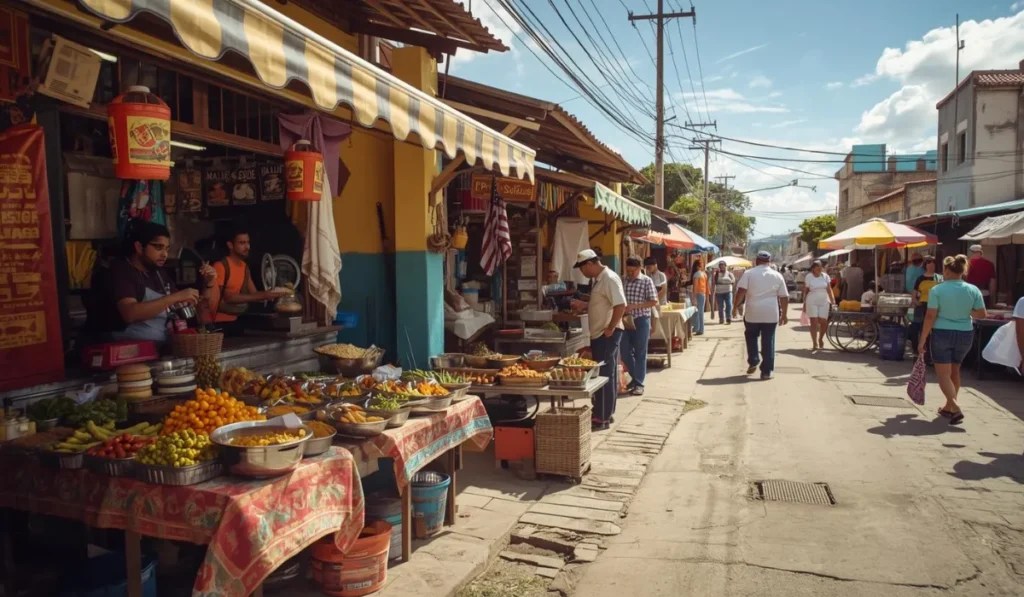
No, traditional Salvadoran dishes are not spicy by default. Flavors come from spices (cumin, achiote, allspice), fresh herbs, and slow-cooked stews. Spiciness is added to taste through table sauces (salsa de chile), pickled chilies (chiles encurtidos), or hot sauce served on the side.
This makes traditional Salvadoran dishes very accessible for travelers who don’t tolerate heat well but still want authentic flavors.
For more details on what locals eat daily, explore our article on Gastronomic Tourism in El Salvador.
What Do Salvadorans Eat Daily?
The daily diet revolves around corn, beans, and fresh produce, forming the base of most traditional Salvadoran dishes:
- Breakfast: Scrambled eggs, refried beans, fried plantains, fresh cheese, sour cream, and tortillas. Coffee or fresco de guayaba (guava drink).
- Lunch: The main meal. Pupusas, yuca con chicharrón, or a plato del día (soup, rice, protein, tortillas).
- Dinner: Lighter — tamales, pastelitos (fried corn empanadas), or leftover lunch.
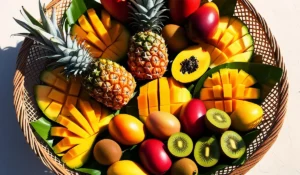
- Snacks: Fresh fruit (jocote, mango, mamón), atoles, or nuégados.
Interested in the tropical fruits that make Salvadoran snacks so vibrant? Read our complete guide to Fruits from El Salvador.
Traditional Salvadoran Drinks
Beyond atol de elote, don’t miss these beverages that accompany traditional Salvadoran dishes:
- Salvadoran Horchata – Made from ground morró seeds, cocoa, cinnamon, and sesame seeds (not rice!). Creamy and refreshing.
- Chilate – A warm corn and spice drink, served with nuégados. Pre-Columbian origin.
- Atol Chuco – Fermented sour corn atol, popular in the western zone.
- Nance Liqueur – Artisanal alcoholic beverage from the nance fruit.
- Leche Poleada – Thick milk, cinnamon, and cornstarch dessert drink.
Traditional Salvadoran Dishes by Region
The flavor of traditional Salvadoran dishes changes with the landscape:
| Region | Specialties | Characteristics |
|---|---|---|
| Western Zone (Ahuachapán, Sonsonate) | Gallo en chicha, iguana/rabbit stews | Marked indigenous influence. Part of the Ruta de las Flores |
| Eastern Zone (San Miguel, Usulután) | Mariscadas (seafood platters), seafood soups, stewed crabs | Vibrant culture, rich seafood |
| Pacific Coast (La Libertad, Costa del Sol) | Whole fried fish, black clam cocktails, pupusas de camarón seco | Simple cuisine highlighting freshness |
For the ultimate foodie road trip, consider visiting the Top 10 Restaurants in El Salvador and our curated list of the Best Restaurants in El Salvador.
Gastronomic Route and How to Get Around
The true culinary adventure for discovering traditional Salvadoran dishes is on the street and the road:
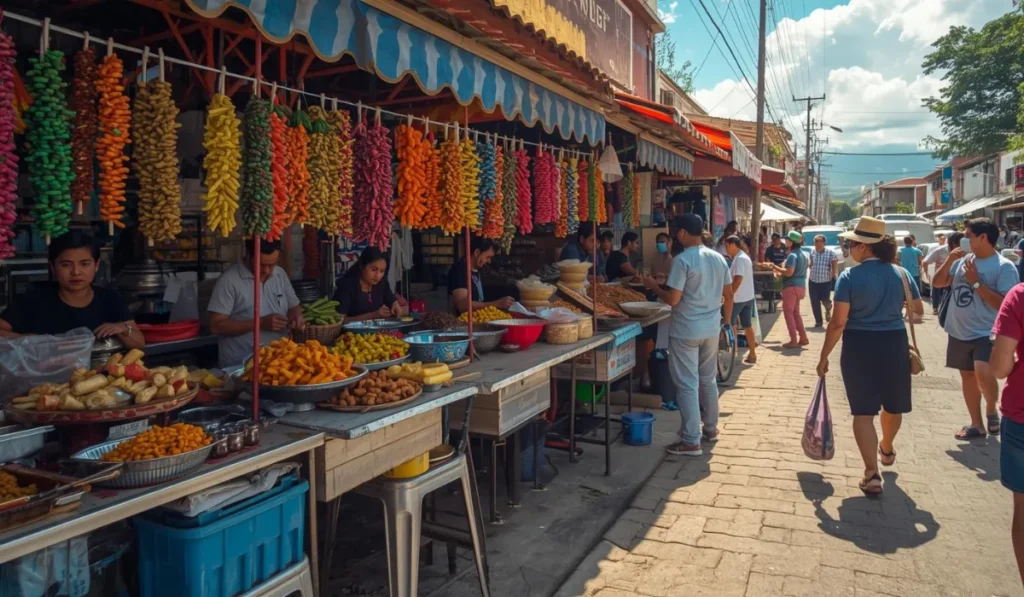
- Markets: San Salvador Central Market (total sensory experience)
- Towns: Suchitoto (colonial, pupusas de maíz negrito with lake view); Juayúa (Gastronomic Fair on weekends)
- Pupusódromos & Roadside Stalls: Concentrations of pupuserías guarantee authenticity
🚗 Don’t miss hidden local restaurants serving traditional Salvadoran dishes — travel smarter with Carvi.
How to get around? The key to a successful food tour is flexibility. The best places to try traditional Salvadoran dishes are scattered: a market in the city, a stall with a mountain view, a beach for the freshest fish. Having private transportation allows you to create your own flavor route, stop where your nose guides you, and explore with comfort and safety.
Frequently Asked Questions (FAQ) About Traditional Salvadoran Dishes
What are the most famous traditional Salvadoran dishes?
Without a doubt, pupusas are the most famous, followed by tamales, yuca con chicharrón, sopa de pata, and empanadas de plátano.
Where to try authentic traditional Salvadoran dishes?
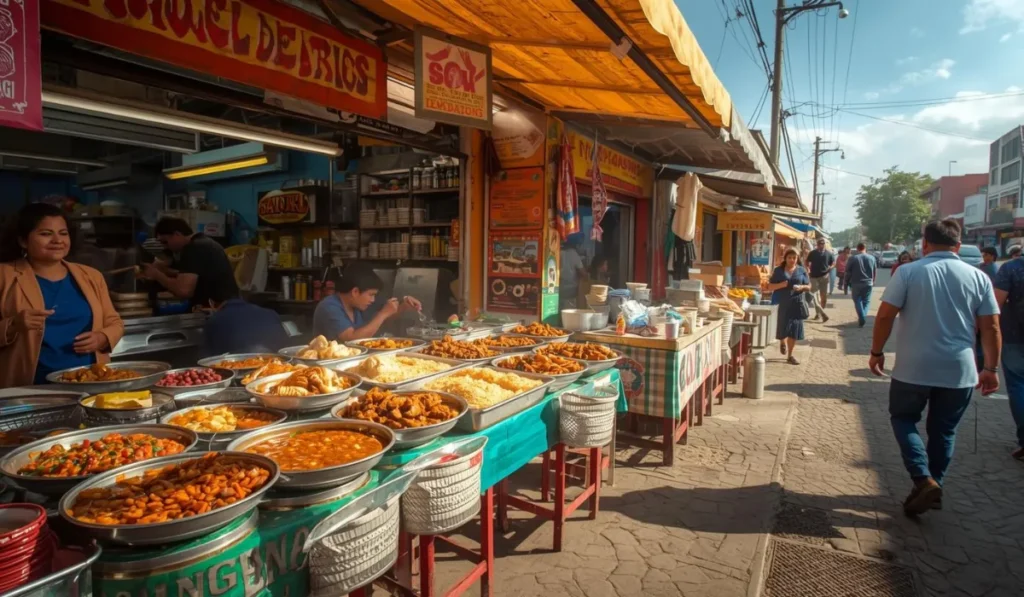
The most authentic places are municipal markets (like the Central Market), neighborhood pupuserías full of locals, and roadside food stalls along highways and towns.
Are traditional Salvadoran dishes spicy?
No. Traditional Salvadoran dishes are not inherently spicy. Flavors are achieved with spices, herbs, and stews. Spiciness is added to taste through sauces or pickled chilies served on the side.
How many traditional Salvadoran dishes should I try?
At minimum, try the Top 5: pupusas, tamales, yuca con chicharrón, sopa de pata, and empanadas de plátano.
Are there vegetarian traditional Salvadoran dishes?
Yes. Pupusas de frijol con queso (beans and cheese), tamal pisque (bean tamale), riguas, fried yuca, and casamiento are all vegetarian-friendly.
🚗 Exploring traditional Salvadoran dishes across the country? Carvi helps you move like a local.
Conclusion
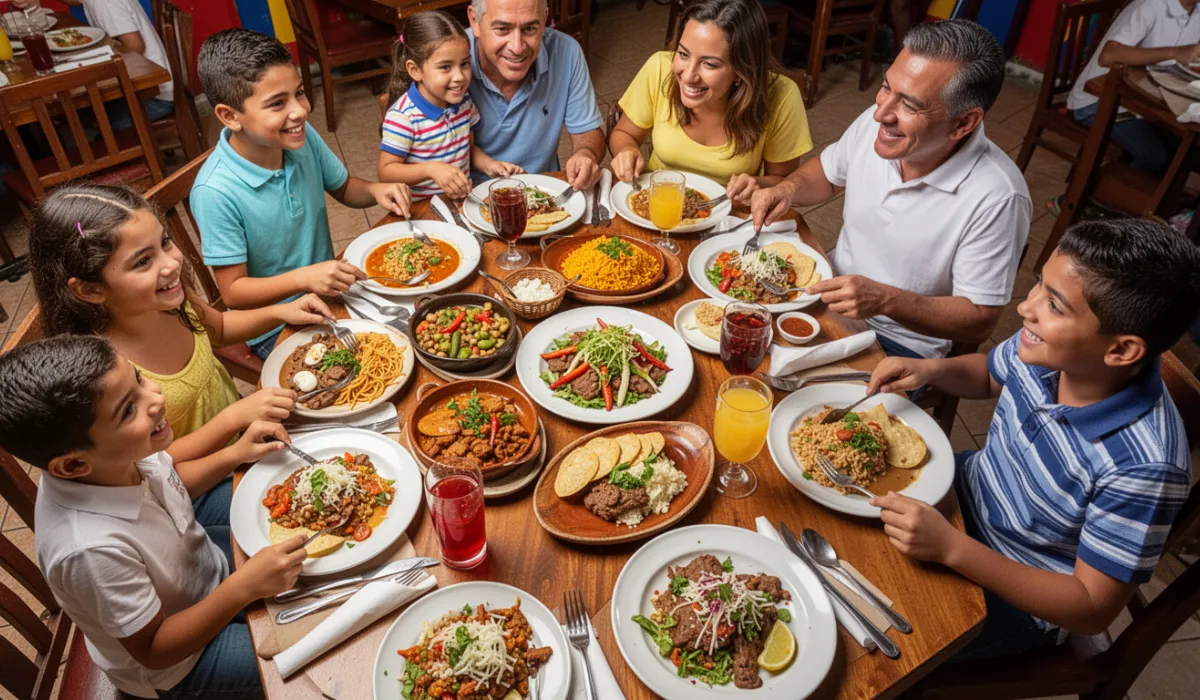
Exploring traditional Salvadoran dishes is a journey to the heart of national identity. From the first bite of a steaming pupusa to the last spoonful of atol de elote, each flavor is a lesson in history, agriculture, and human warmth. Traditional Salvadoran dishes are made for sharing, celebrating, and comforting.
We invite you to go beyond the tourist restaurant and venture into the markets, follow the aroma of the comal in a town on the Ruta de las Flores, and converse with those who prepare these traditional Salvadoran dishes with ancestral dedication.
Whether you’re a foodie planning a dedicated gastronomic tour or a traveler wanting to eat like a local, traditional Salvadoran dishes offer some of Central America’s most authentic and diverse flavors — without the heat unless you ask for it.
🚗 Ready to taste authentic traditional Salvadoran dishes? Book your transport with Carvi.
Share this content:
Post Comment