- What is meant by typical food by department in El Salvador?
- Importance of Salvadoran gastronomy by department
- Typical food by department of El Salvador: A regional tour
- Traveling through El Salvador to enjoy the typical food by department: The key is mobility
- The ingredients that define the flavor of El Salvador
- Frequently asked questions about typical food by department
- Conclusion: A country to savor, department by department
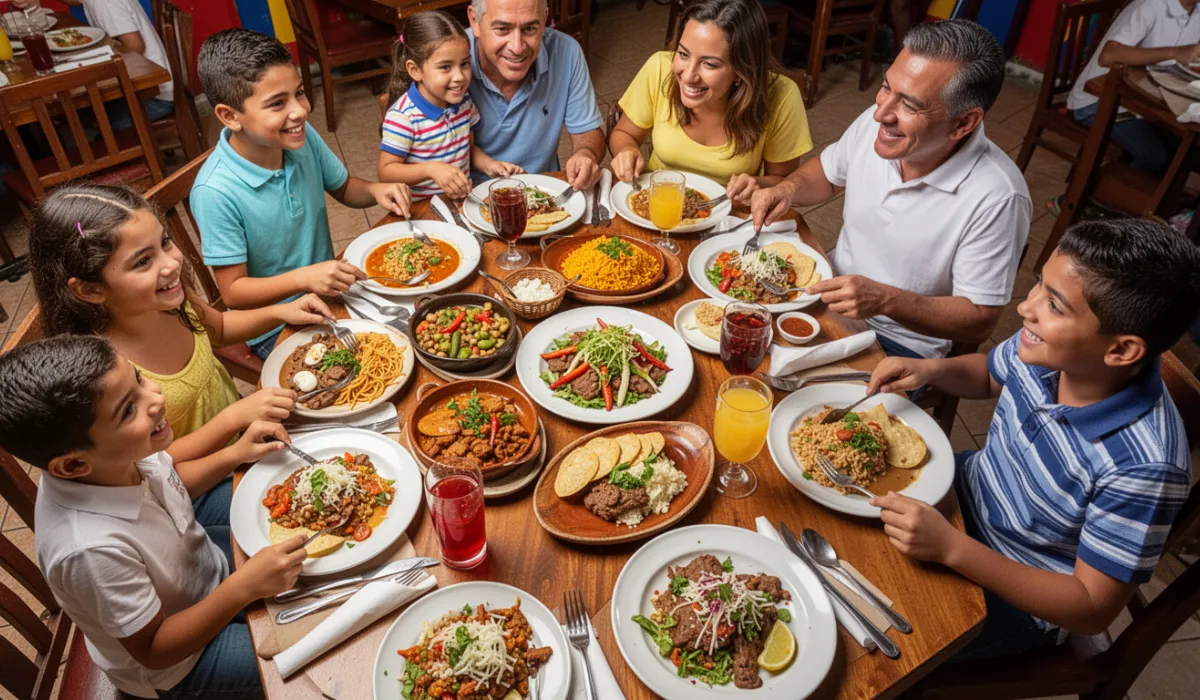
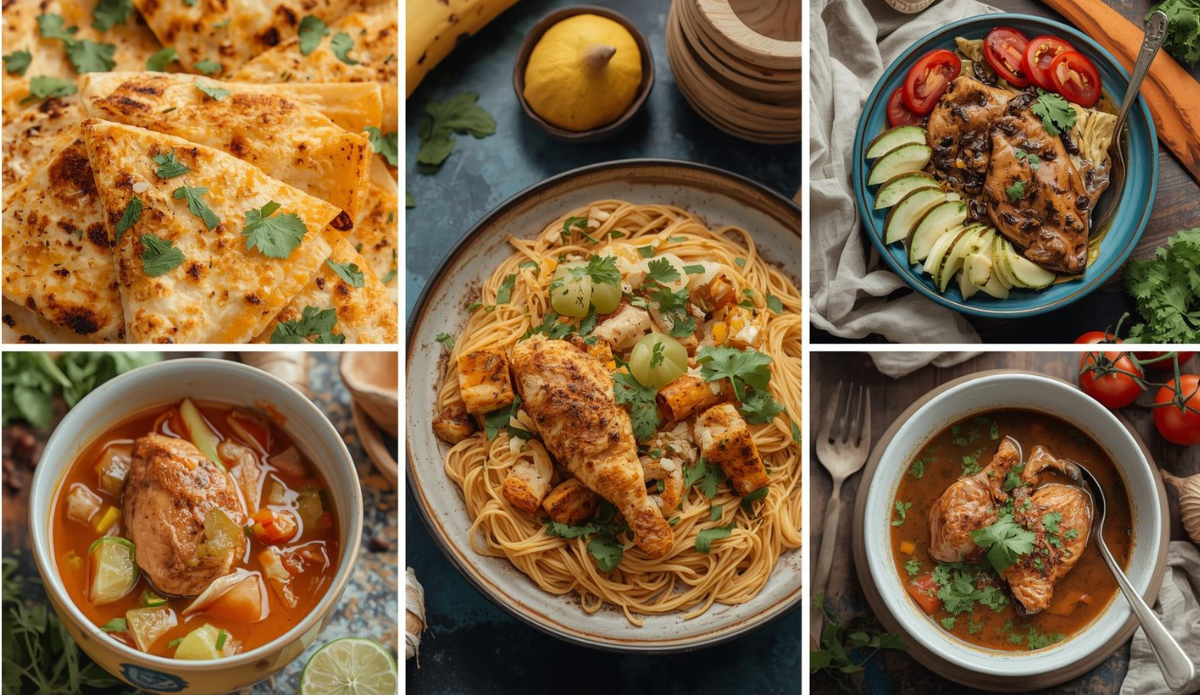
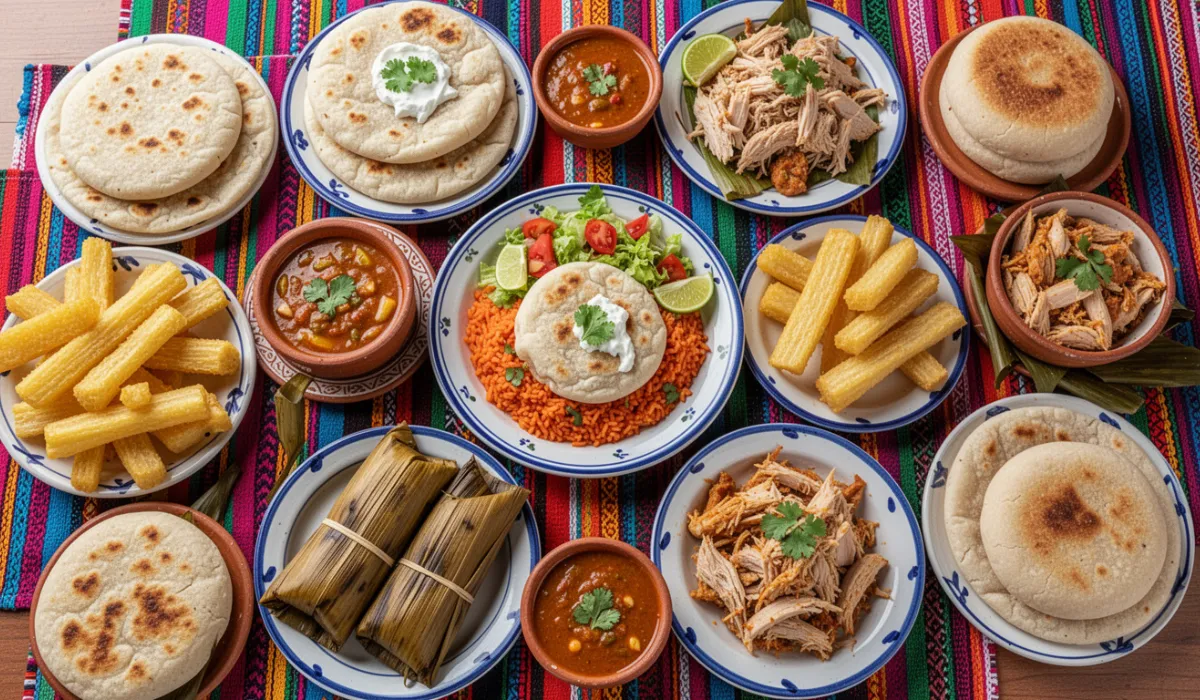
The typical food by department of El Salvador is a sensory journey that reflects the history, culture, and traditions of every corner of the country. From iconic pupusas to ancestral soups, tamales, and artisanal sweets, each region contributes unique flavors that are part of the Salvadoran soul. In this definitive guide, you will discover what makes each department special and why its gastronomy is one of the greatest national prides, as well as how you can explore it with comfort and freedom.
What is meant by typical food by department in El Salvador?
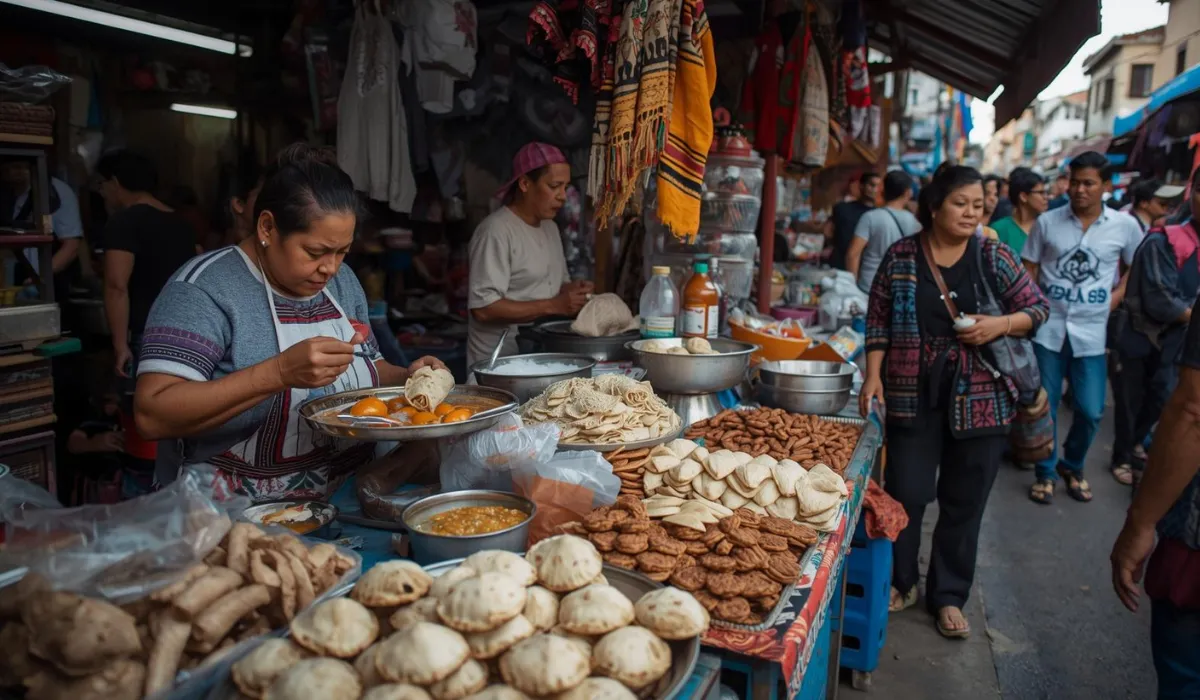
When we talk about typical food by department, we refer to those dishes, drinks, and preparations that were born and perfected in a specific region. They are the result of centuries of adaptation, using local ingredients, inherited techniques, and a dose of cultural identity.
This diversity is no coincidence. It responds to concrete factors: the proximity to the sea in La Libertad or La Unión explains its richness in seafood; the Pipil indigenous traditions in the west give life to chilate and buñuelos; and the predominant crops, such as coffee in the western zone or corn in the center, define much of the menu. Understanding these differences is key to appreciating the true essence of Salvadoran gastronomy.
Importance of Salvadoran gastronomy by department
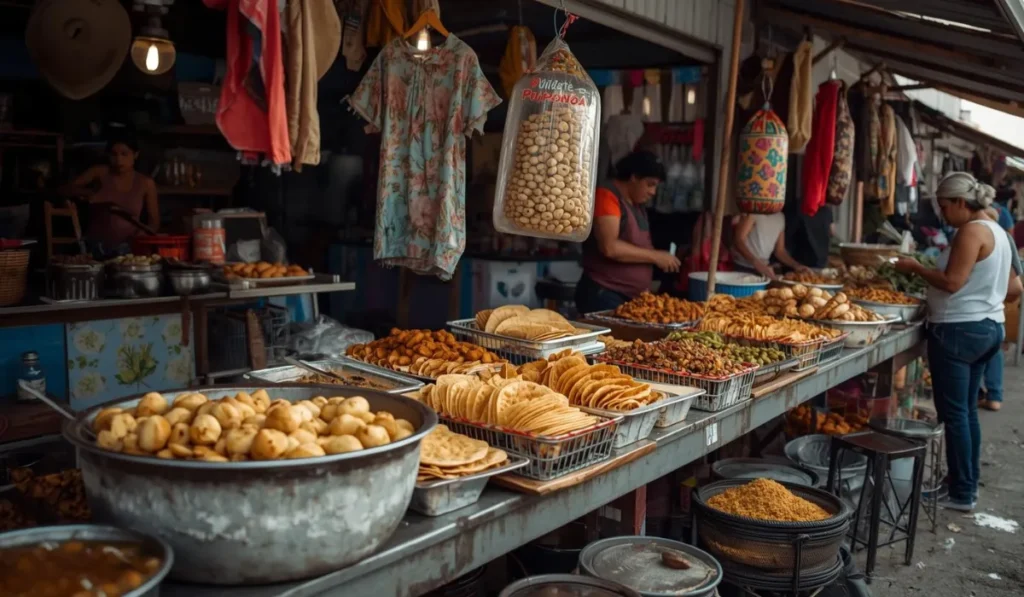
Gastronomy is much more than food in El Salvador; it is a fundamental pillar of national identity. Each typical dish by department is a living page of history, a story that speaks of mestizaje, cultural resistance, and the creativity of a people.
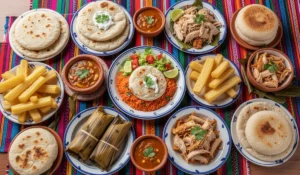
This cuisine is the fruit of an encounter of worlds: the solid Mesoamerican base, centered on sacred corn, fused with Spanish ingredients like pork, rice, and dairy. Over time, contributions from other migrations added new nuances. Today, these dishes are acts of memory and celebration. Preparing a tamale wrapped in banana leaves, serving an atol in a morró gourd, or sharing a pupusa are rituals that connect generations and strengthen the social fabric.
Typical food by department of El Salvador: A regional tour
To savor El Salvador in all its expression, it is essential to understand its gastronomic regions. Below, a tour of the 14 departments grouped by their culinary profile.
Western Region: Ancestral Flavors and Sweet Tradition
Ahuachapán, Santa Ana, Sonsonate.
- Ahuachapán: It is the cradle of buñuelos con chilate. Buñuelos (fried dough spheres) are bathed in panela honey and accompanied by chilate, a hot ceremonial drink made of toasted corn and spices. A perfect contrast between sweet and spicy.
- Santa Ana: Recognized for a century-old sweet-making tradition. Its streets hide workshops where milk candies, fruit candies, and “borrachitos” with a liquor touch are made, using methods passed down from generation to generation.
- Sonsonate: Here the sancochada yucca is the protagonist. It is served mashed, accompanied by “pepesca” (small river fish), chicharrones, and plenty of curtido. A dish that represents the connection with the rivers of the area.
Central and Paracentral Region: The Soul of Corn
San Salvador, La Paz, Cuscatlán, Chalatenango, Cabañas, San Vicente.
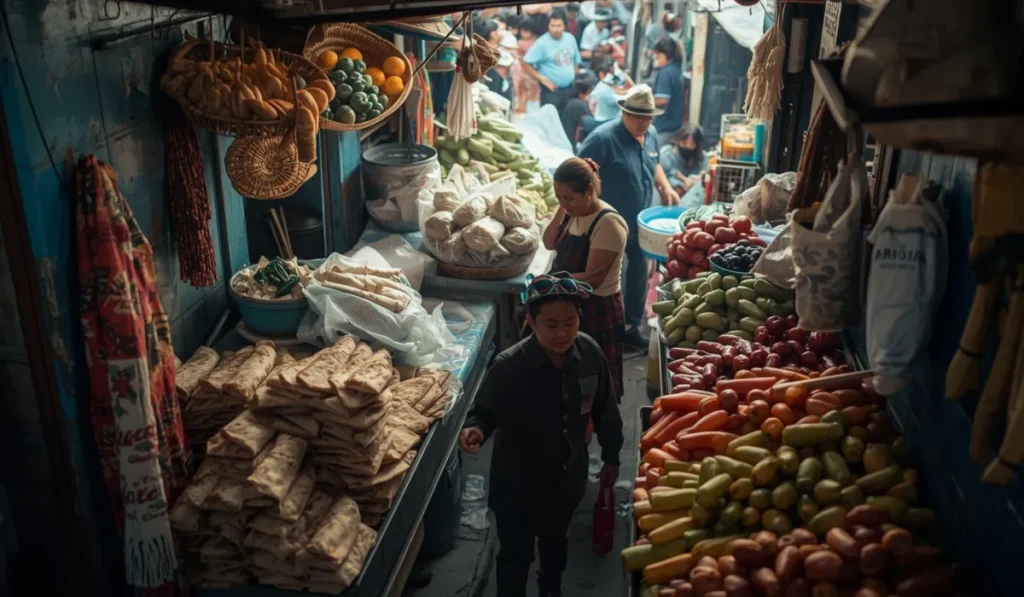
- San Salvador: As the capital, it is the melting pot of pupusa innovation. From the classic cheese or revueltas to creations with mushrooms, spinach, or pesto. It is also the center of corn snacks: riguas, tortas, and atoles.
- La Paz: Synonymous with pupusas de Olocuilta. Many Salvadorans believe the best are prepared here, due to the technique and seasoning. A mandatory gastronomic pilgrimage site.
- Cuscatlán: Known as “the land of atoles”. The atol shuco stands out, dark in color and intense in flavor, made with fermented corn and traditionally served in a morró gourd bowl.
- Chalatenango: Offers the peculiar “chicle chalateco”, a crunchy mix of toasted seeds (pumpkin, squash seeds, peanuts) that is the perfect snack to take away. Its artisanal cheeses are also famous.
- San Vicente: Distinguished by “arroz negrito con salpicón”. A deeply flavorful dish where rice is cooked in bean broth (giving it a dark color) and topped with a salpicón of finely chopped and seasoned meat.
Eastern Region: Robust Flavors and the Fruit of the Sea
San Miguel, Morazán, La Unión, Usulután.
- San Miguel: Famous for its “chiles rellenos”. Green peppers stuffed with a meat stew, breaded, and bathed in tomato sauce. A festive and flavorful dish.
- La Unión: The gateway to the Gulf of Fonseca. Here you must try the pupusas de conchas (clams), a delicacy that fuses corn with the flavor of the sea. Seafood platters and fried fish are unmissable.
- Usulután: On the eastern coast, pupusas de camarón seco (dried shrimp) are the specialty. They also offer seafood soups and fresh fish with the unique stamp of the country’s east.
Traveling through El Salvador to enjoy the typical food by department: The key is mobility
The true essence of typical food by department is found in market stalls, village kitchens, and family restaurants, many of them off the traditional tourist routes. To explore this wealth with flexibility and at your own pace, personal mobility is fundamental.
This is where a service like Carvi becomes your best ally. Carvi (https://www.carviapp.com/) is a mobility platform that facilitates access to private vehicles, allowing you to design your own Salvadoran gastronomic route without depending on public transport schedules or limited tours.
Imagine being able to:
- Leave early from San Salvador to Olocuilta (La Paz) for a pupusa breakfast.
- Then drive to the Ruta de las Flores for a lunch of yucca with pepesca in Sonsonate.
- And end the day with a dinner of fresh seafood on the beach in La Libertad, all in the same day.
Carvi puts this freedom within your reach, making an authentic and deep journey through El Salvador’s culinary geography possible. It is the ideal way for curious travelers and foodies to connect the country’s flavors in a practical, safe, and comfortable manner.
The ingredients that define the flavor of El Salvador
The magic of this cuisine lies in its ingredients, a mix of ancestral heritage and local products:
- Corn: The basis of life and cuisine. Transformed into tortillas, pupusas, tamales, and atoles.
- Beans: Especially red beans, the inseparable companion of corn.
- Loroco: The national culinary flower. Its unique aroma and flavor are essential in pupusas and sauces.
- Plantain and Yucca: Versatile, enjoyed fried, boiled, or in sweets.
- Pepesca: Small river fish emblematic of the cuisine of Sonsonate.
- Pacific Seafood: Shrimp, clams, fish, and the exotic ray wing.
Frequently asked questions about typical food by department
What is the most famous typical dish of El Salvador?
The pupusa is the national icon. However, the experience changes depending on the department: in La Paz it has thin dough and liquid cheese; in San Miguel it can be served with cabbage curtido; and in La Unión it is stuffed with seafood.
In which department are the best pupusas eaten?
The debate is part of the tradition. Olocuilta (La Paz) has legendary fame, but San Salvador offers the greatest variety and innovation, and La Unión has the exclusivity of pupusas de conchas.
Is it difficult to travel between departments to try the food?
No, with the right option it is easy and enriching. The country is small and the roads connect the regions well. Having a mobility service like Carvi eliminates the complications of public transport and allows you to optimize your time to visit several places of gastronomic interest in a single day, safely and directly.
Does the food change a lot from one region to another?
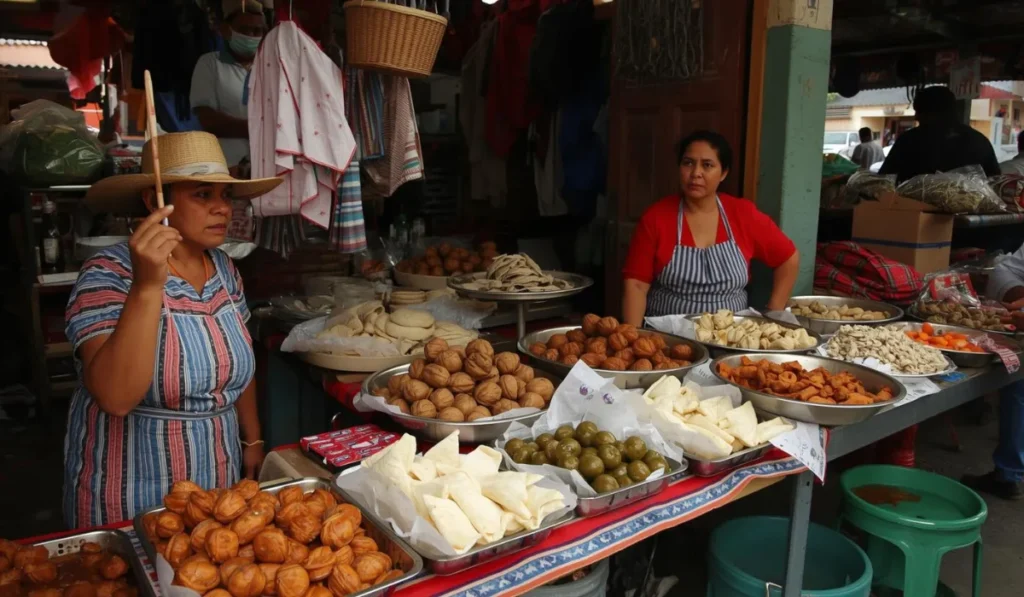
Absolutely. The coastal cuisine (based on seafood) is not the same as that of the indigenous west (corn, atoles, sweets) or the robust east (chiles rellenos, stewed meats). Each zone has a marked personality.
Conclusion: A country to savor, department by department
Exploring the typical food by department of El Salvador is the most delicious and authentic way to get to know the country. It is a journey that goes from the steaming atol shuco in a market in Cuscatlán, to the perfect pupusas of Olocuilta, and ends with a sea breeze and ceviche in La Libertad.
This gastronomic adventure, which we recommend undertaking with the freedom offered by Carvi, will reveal to you that El Salvador does not have a single cuisine, but a mosaic of regional flavors. Each department holds a culinary secret, an ancestral recipe, or a unique version of a classic, waiting to be discovered by those who wish to go beyond the plate and live the culture that created it.
Share this content:
Post Comment