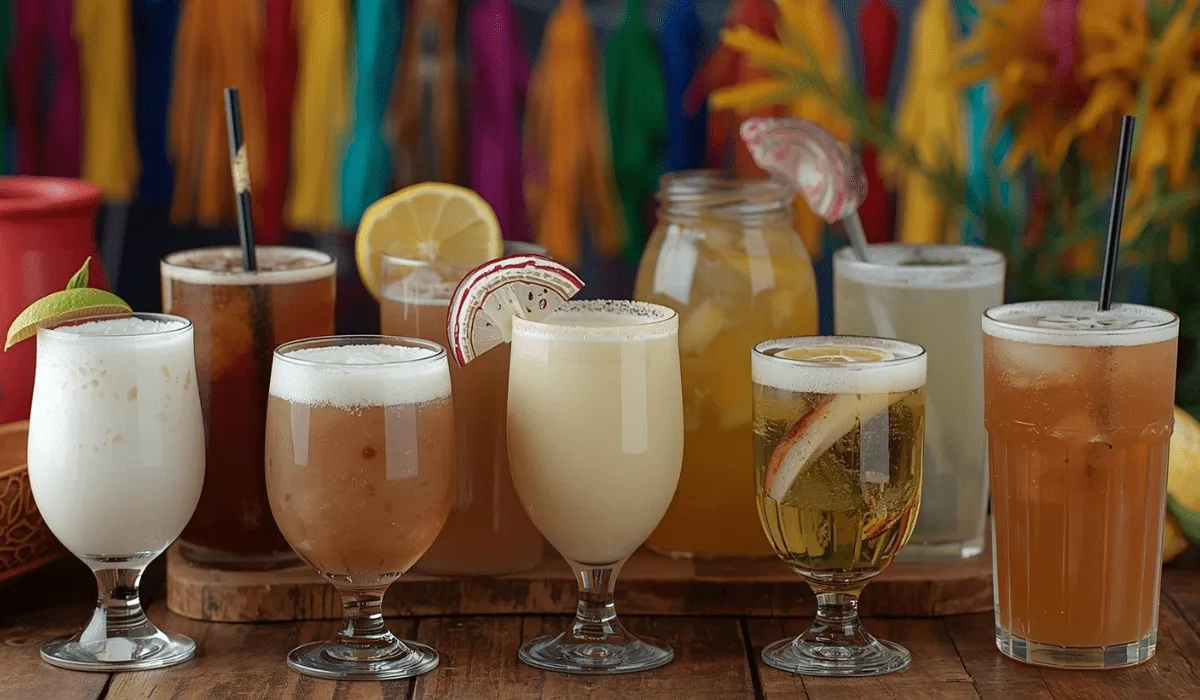
The traditional drinks of El Salvador are liquid narratives of its history, a fusion of pre-Hispanic roots, local ingredients, and colonial heritage that goes far beyond simply quenching thirst. Every sip of a thick atol or a fruity fresco is a link to ancient Mesoamerican cultures and a reflection of Salvadoran identity.
From sacred corn to world-renowned coffee, these preparations are pillars of daily life and festivities. In this journey, we will explore their deep cultural meaning and teach you how to bring these authentic flavors to your own kitchen.
Explore El Salvador at your own pace!
Before diving into traditional drinks, rent a car with Carvi and travel freely to the markets, cafes, and festivals where these drinks are best enjoyed.
👉 Reserve your car now and start your culinary journey
1. The Essence in a Cup: Drinks That Tell a Story
Salvadoran gastronomy, declared Intangible Cultural Heritage, finds one of its purest expressions in its drinks. This tradition is the result of centuries of culinary mestizaje (mixture): the indigenous base, where corn, cocoa, and local fruits were fundamental, was enriched with ingredients brought by the Spaniards, such as sugar cane, milk, and spices like cinnamon.
More than just an accompaniment, traditional Salvadoran drinks mark the rhythm of the day and define special occasions. An afternoon coffee is a mandatory social pause, a hot atol can be a comforting breakfast, and a fresco de ensalada is synonymous with celebration and collective joy.
2. The Soul of Tradition: Atoles and Hot Drinks
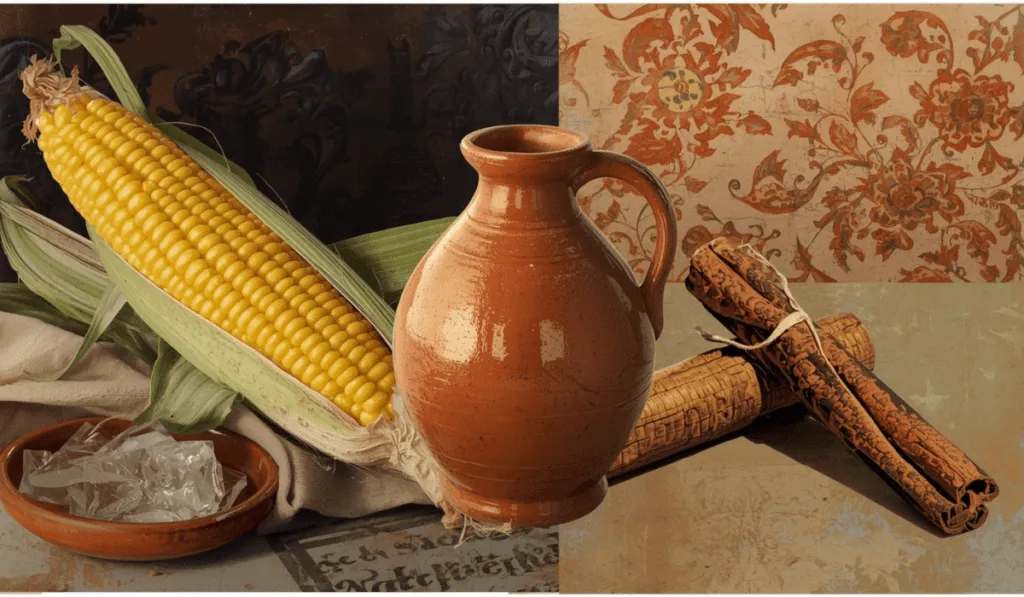
Atoles are the backbone of the traditional Salvadoran drinks of pre-Hispanic origin. The word comes from the Nahuatl “atolli” (watered down), and its base preparation is a corn porridge. They are thick, nutritious drinks and are consumed mainly hot, although some varieties are also enjoyed cold.
2.1 Atol de Elote: The Flavor of Nostalgia
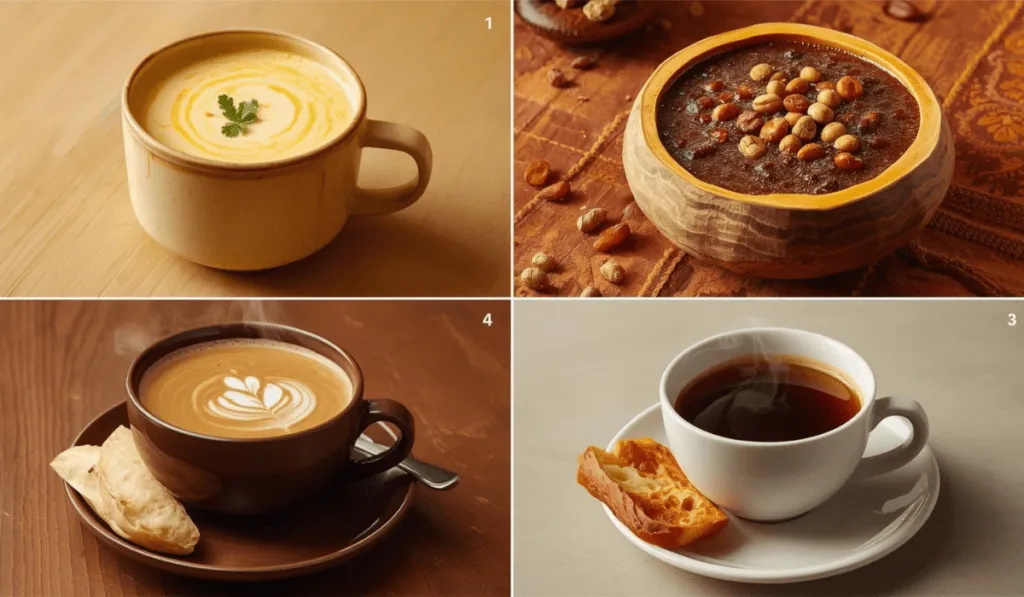
This is perhaps the most beloved and representative atol. It is made with blended tender corn kernels (elote), cooked with milk, sweetened with sugar or panela (unrefined cane sugar), and flavored with cinnamon. Its flavor is sweet, its texture creamy, and it immediately evokes mornings in the countryside or town festivals. It is a symbol of warmth and home.
2.2 Atol Shuco: An Ancestral and Robust Flavor
Atol shuco is a deep cultural experience. Its name in Nahuatl means “dirty” or “muddy,” alluding to its dark color. What makes it unique is its base of fermented corn, which gives it an earthy, slightly acidic, and complex flavor. Originating from the east of the country, it sometimes has added beans, alguashte (ground pumpkin seed), or chili, and is traditionally served in a huacal (gourd vessel). It is a drink for adventurous palates and a true link to indigenous roots.
2.3 Chilate: Ceremonial Drink
Chilate has deep historical significance as a pre-Hispanic ceremonial drink. It is prepared with toasted and ground corn, infused with spices like allspice, clove, and ginger. It is served hot and is almost always accompanied by nuégados (fried masa balls) or other typical sweets, especially during festivities.
2.4 Salvadoran Coffee: More Than a Drink, a Tradition
Coffee is the hot drink par excellence and a national pride. El Salvador produces high-quality coffees, and the custom of having a 4 p.m. coffee accompanied by sweet bread is deeply ingrained in the daily routine. It is consumed filtered or boiled with spices like cinnamon and clove.
3. Freshness and Color: Salvadoran “Frescos”
If atoles comfort, “frescos” or “aguas frescas” refresh. They are cold, non-alcoholic drinks made from fruits, seeds, or grains, sugar, and water. They are essential to accompany food or to cool off from the heat.
3.1 Salvadoran Horchata: An Unmistakable Classic
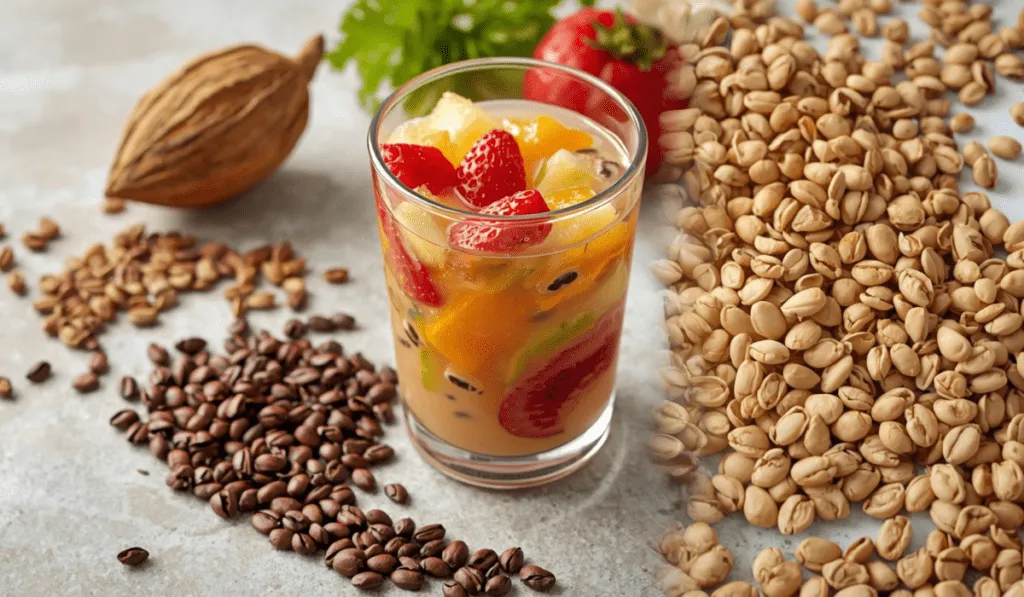
Horchata de morro is the queen of frescos. It should not be confused with other versions; the Salvadoran one is made by toasting and grinding a unique mixture of morro seed, cocoa, sesame seeds, rice, cinnamon, and pepitoria (pumpkin seeds). The result is a beige-colored drink with an earthy, sweet, and slightly spicy flavor. It is one of the most emblematic traditional Salvadoran drinks.
3.2 Fresco de Ensalada: The Party in a Glass
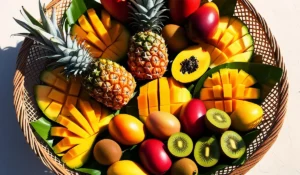
This is the most colorful and festive drink. As its name suggests, it is a liquid “salad” combining pieces of various tropical fruits like pineapple, mango, apple, and cashew fruit, and sometimes even watercress or lettuce, in a citrus juice, usually orange. It is synonymous with celebration, especially during the September patriotic holidays.
3.3 Fresco de Chan: Texture and Benefit
This refreshing and gelatinous drink is made with chan seeds (a species similar to chia), which are soaked in water until they release their mucilage. It is sweetened and lemon juice is added. Besides being ideal for the heat, it is rich in fiber and antioxidants.
3.4 Other Fruity Gems
- Fresco de Cebada: Pinkish or reddish in color with a sweet flavor reminiscent of strawberry and vanilla. Although called “cebada” (barley), it is usually made with flavored flour, spices, and essences.
- Fresco de Arrayán: Made from the arrayán fruit, it has a unique sweet and sour flavor and an attractive reddish color.
- Fresco de Carao: Known more for its medicinal properties than its taste. It is prepared with the syrup from carao pods and is very rich in iron, traditionally recommended for anemia.
4. Iconic and Celebratory Drinks
4.1 National Flavors in a Bottle
Among the commercially produced traditional Salvadoran drinks, Kolashanpan stands out, an orange-colored soda with a sweet flavor that has become a cultural icon. SalvaCola, a national cola produced since 1948, also competes for the affection of Salvadorans.
4.2 Traditional Alcoholic Drinks
- Chaparro: A strong, clear, artisanal aguardiente (spirit), made by distilling sugar cane, corn, or panela. Its production is associated with rural areas, especially the department of Chalatenango.
- Licor de Nance: A homemade liqueur made from the fermentation of the nance, a yellow tropical fruit with a strong, characteristic aroma.
5. Bring El Salvador to Your Kitchen: Recipes for Beginners
Making these drinks at home is easier than it seems. Here are two basic recipes to get you started.
5.1 Horchata de Morro (Simplified Version)
Ingredients:
- 1/2 cup white rice
- 1 cinnamon stick
- 1/4 cup sesame seeds
- 2 tablespoons unsweetened cocoa powder
- 1 liter of water
- Sugar to taste
- Ice
Procedure:
- Lightly toast the rice, cinnamon stick, and sesame seeds in a dry skillet until fragrant.
- Blend the toasted ingredients with the cocoa and half a liter of water until it forms a paste.
- Strain the mixture through a fine cloth strainer or cheesecloth into a pitcher. Squeeze well to extract all the liquid.
- Add the rest of the water and sugar to taste. Refrigerate until very cold.
- Serve with plenty of ice. Note: The authentic version uses ground morro seed, which can be hard to find outside of El Salvador. This rice and cocoa version captures the essence of the flavor.
5.2 Atol de Elote (Traditional Recipe)
Ingredients:
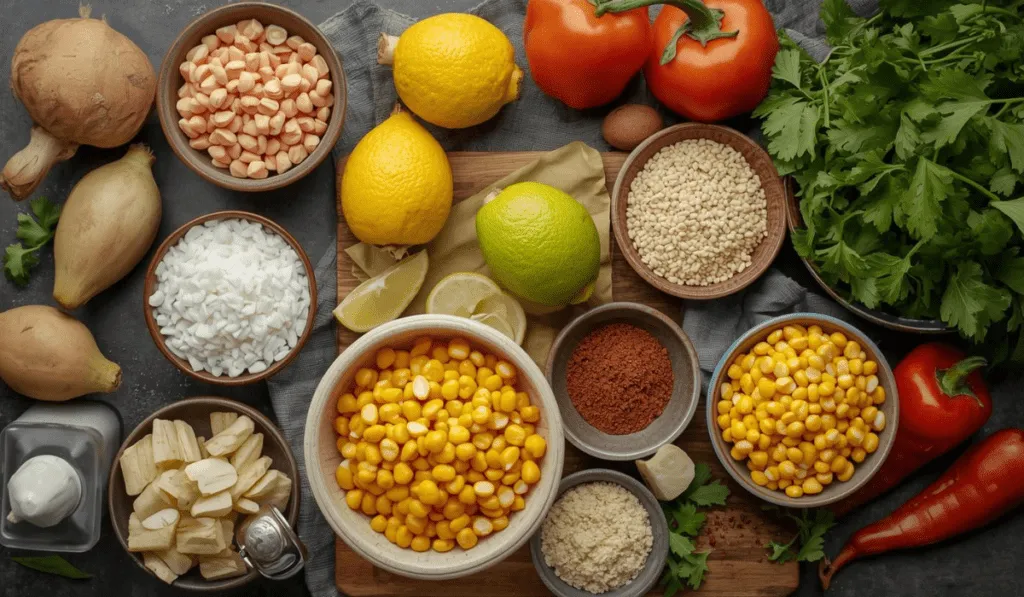
- 4 ears of tender corn (elote) or 3 cups of frozen corn kernels
- 4 cups of water
- 1 cinnamon stick
- 1 cup of milk (optional, for more creaminess)
- Sugar or panela to taste
- A pinch of salt
Procedure:
- Shuck the corn cobs. Blend the kernels with 2 cups of water.
- Strain the mixture into a pot, squeezing the pulp well to extract all the “milk” from the corn.
- Add the cinnamon stick, the rest of the water, the milk (if using), and the pinch of salt to the pot.
- Cook over medium-low heat, stirring constantly with a wooden spoon to prevent sticking, for 20-25 minutes or until it thickens slightly.
- Add sugar to taste and cook for 5 more minutes.
- Serve hot. You can sprinkle a little ground cinnamon on top.
6. Quick Guide: Which Drink to Choose?
To help you navigate this world of flavors, here is a guide based on the occasion and palate:
| If you are looking for… | We recommend… | Difficulty Level | Brief Description |
|---|---|---|---|
| Pre-Hispanic authenticity | Atol Shuco or Chilate | Medium-High | Deep, earthy, and complex flavors. A cultural experience. |
| Sweetness and nostalgia | Atol de Elote | Medium | Creamy, sweet, and comforting. The taste of childhood for many. |
| To refresh with tradition | Horchata de Morro | Medium | Unique and spiced. The classic fresco par excellence. |
| Freshness and festivity | Fresco de Ensalada | Easy | Colorful, fruity, and very refreshing. Perfect for celebrations. |
| A hot break | Salvadoran Coffee | Easy | Aromatic, high quality. The afternoon tradition. |
| A national soda | Kolashanpan | Easy (commercial) | Sweet and emblematic soda. Iconic flavor of El Salvador. |
Traditional Salvadoran drinks are a living heritage. Each preparation, whether the deep atol shuco or the festive horchata, holds in its ingredients and methods centuries of history, resilience, and shared identity. They are a reminder that culture is also transmitted, shared, and celebrated around the table, in a pause for coffee, or in a cold glass that relieves the heat.
We invite you not only to taste them but to prepare them. In that act of cooking, stirring, and serving, the tradition of a people whose gastronomic wealth is, without a doubt, a true cultural treasure is revived and honored.
🥤 Ready to taste the best traditional drinks of El Salvador?
From street stalls in San Salvador to lakeside villages, enjoy every flavor at your own pace.
Book a car with Carvi now and start your adventure today!
Share this content:


Post Comment