- What are Gastronomic Markets in El Salvador?
- History and Culinary Culture of Salvadoran Markets
- Main Gastronomic Markets of El Salvador
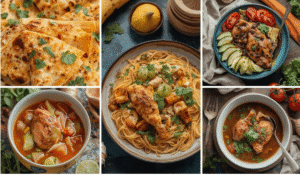
- Typical Food You Will Find in the Markets
- Prices in the Gastronomic Markets of El Salvador
- Local Experience vs. Tourist Experience
- Technology and Modernization in Gastronomic Markets
- Tips for Visiting Gastronomic Markets in El Salvador
- Frequently Asked Questions (FAQ)
- Conclusion
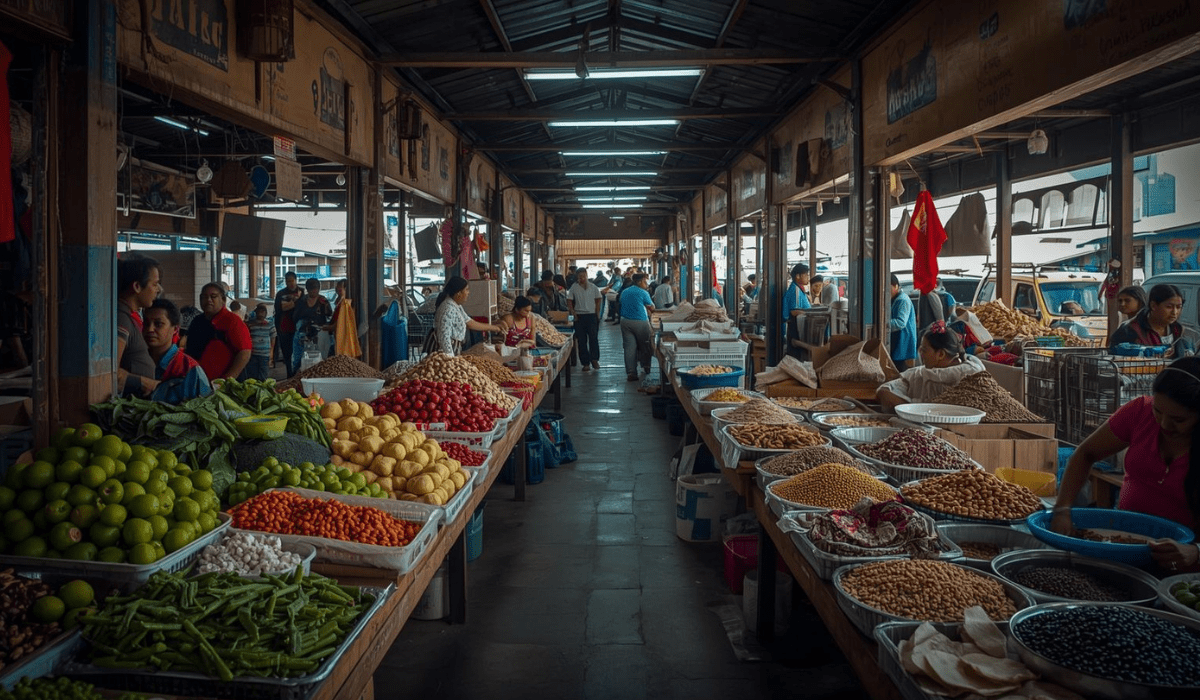
The gastronomic markets of El Salvador are the cultural and culinary soul of the country, spaces where the hustle and bustle of commerce, the aromas of street food, and the art of handicrafts weave an authentic and unforgettable experience. This guide will take you to explore these vibrant centers, from decades-old traditional markets to modern food halls, providing you with all the information you need to enjoy their flavors, understand their prices, and fully immerse yourself in Salvadoran culture.
What are Gastronomic Markets in El Salvador?
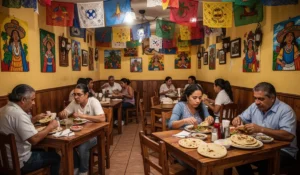
Markets in El Salvador transcend the simple concept of a shopping place. They are spaces of cultural preservation, social exchange, and culinary heritage. Traditionally, they have functioned as supply centers where fresh produce, handicrafts, and, centrally, typical food prepared on the spot are sold.
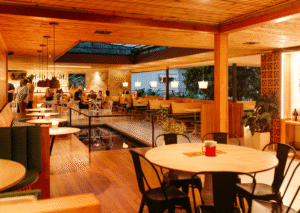
Today, the concept is evolving. In addition to traditional markets, modern food plazas are emerging, inspired by global “food halls.” These new spaces, like the Gastronomic Plaza of Monte San Juan in Cuscatlán, offer a modern and welcoming environment with a variety of food stalls, designed for families and tourists to enjoy a safe and diverse culinary experience.
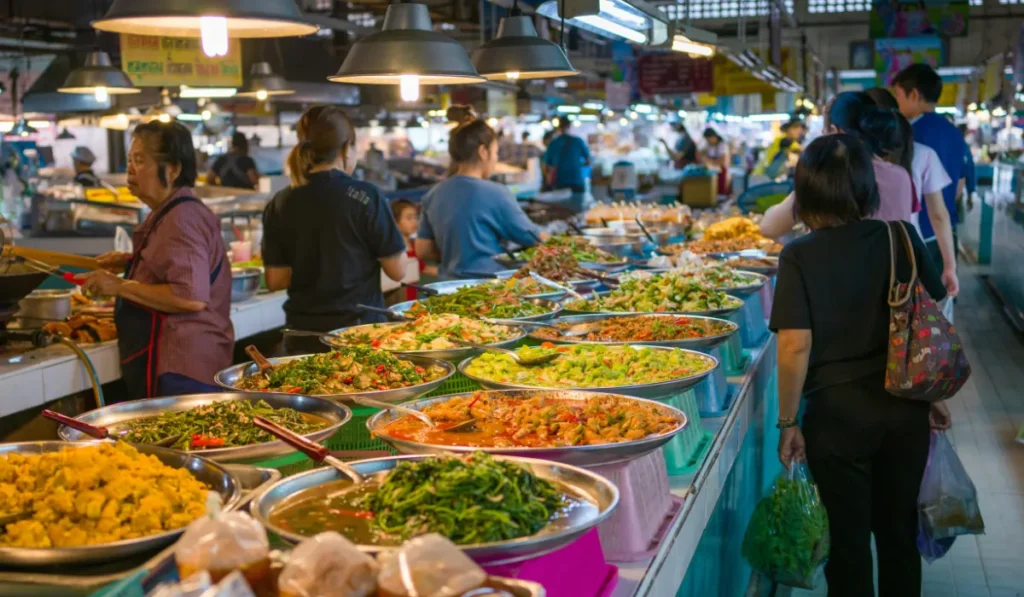
Author’s Note: I lived in San Salvador for several years, and for me, a Sunday was not complete without lunch at the market. The true flavor of El Salvador is not only in the dish but in the energy of the people, the conversations between stalls, and the pride with which each vendor offers their goods.
History and Culinary Culture of Salvadoran Markets
The cuisine served in the markets is the result of centuries of fusion. It has deep pre-Columbian roots, based on corn, beans, and local herbs like chipilín and loroco. Techniques such as preparing tortillas and tamales, and using the comal (griddle), are indigenous legacies.
With the Spanish colonization came new ingredients (pork, chicken, dairy) and culinary techniques. This mestizaje gave rise to emblematic dishes. Foods like pupusas or atol shuco, though of pre-Hispanic origin, were refined and transformed. Markets solidified as the point where this evolving cuisine reached all the people, sustaining family economies and keeping recipes alive.
Main Gastronomic Markets of El Salvador
National Handicrafts Market
- Location and Atmosphere: Located in San Salvador, it is the national epicenter of handicrafts. More than a food market, it is a cultural experience where, after buying black ceramics from Ilobasco or indigo textiles, you can enjoy traditional drinks and snacks.
- What to Eat: Ideal for trying artisanal horchata with cocoa and cinnamon, or exotic seasonal fruits like jocote or nance.
- Hours: Open every day from 8:00 AM to 6:00 PM.
Ex-Cuartel Market
- Location and Atmosphere: Also in the capital, this market is pure authenticity. It specializes in everyday products and traditional food in a bustling, local atmosphere.
- What to Eat: It is a must for a typical lunch. Look for the pupusería “Doña María,” with over 45 years of tradition. Thursdays are special, as products arrive directly from agricultural farms.
- Hours: Open Monday to Saturday, from 6:00 AM to 4:00 PM.
San Miguelito Market (The New Giant)
- Location and Atmosphere: In San Salvador, it represents the forefront of modernization. Reopened in 2026 after a fire, it is a 45,000 m² supply center housing 1,040 stalls.
- What to Eat: Its fourth level is dedicated to seafood and fresh food, and the terrace houses a café, ice cream parlor, and restaurant area with views.
- Hours: Detailed information not available in search results, but given its scale, it is very likely to operate all day.
Monte San Juan Gastronomic Plaza
- Location and Atmosphere: In Cuscatlán, it is the perfect example of the new “food hall” concept in El Salvador. A modern space, designed to be safe, family-friendly, with multiple options in one place.
- What to Eat: It offers a variety of gastronomic stalls where you can try both typical food and innovative proposals.
- Hours: Specific information not available in search results.
Typical Food You Will Find in the Markets
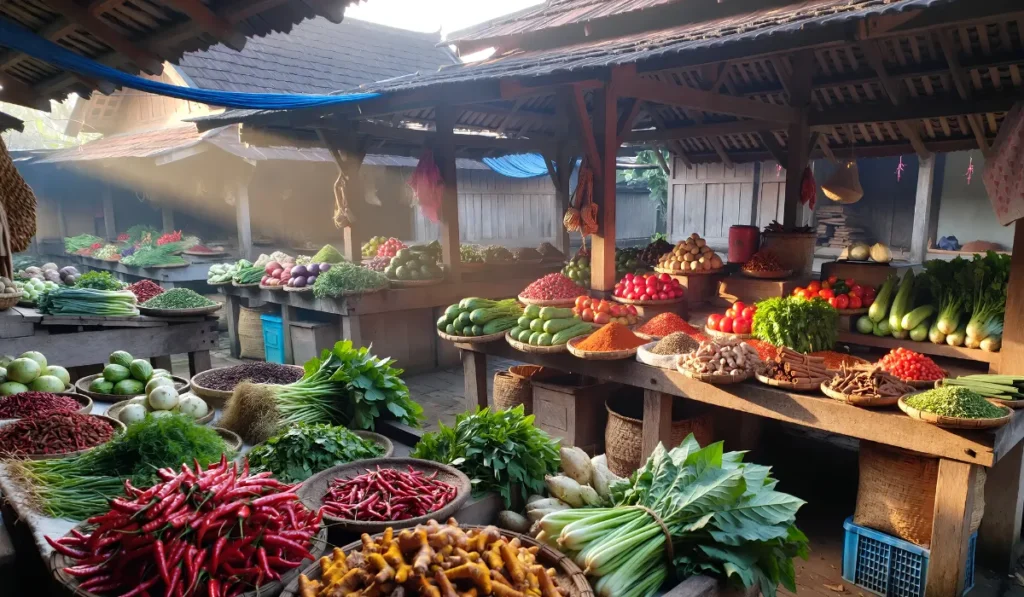
This is the soul of the experience. Markets are the best place to try these dishes in their most authentic and popular-priced version.
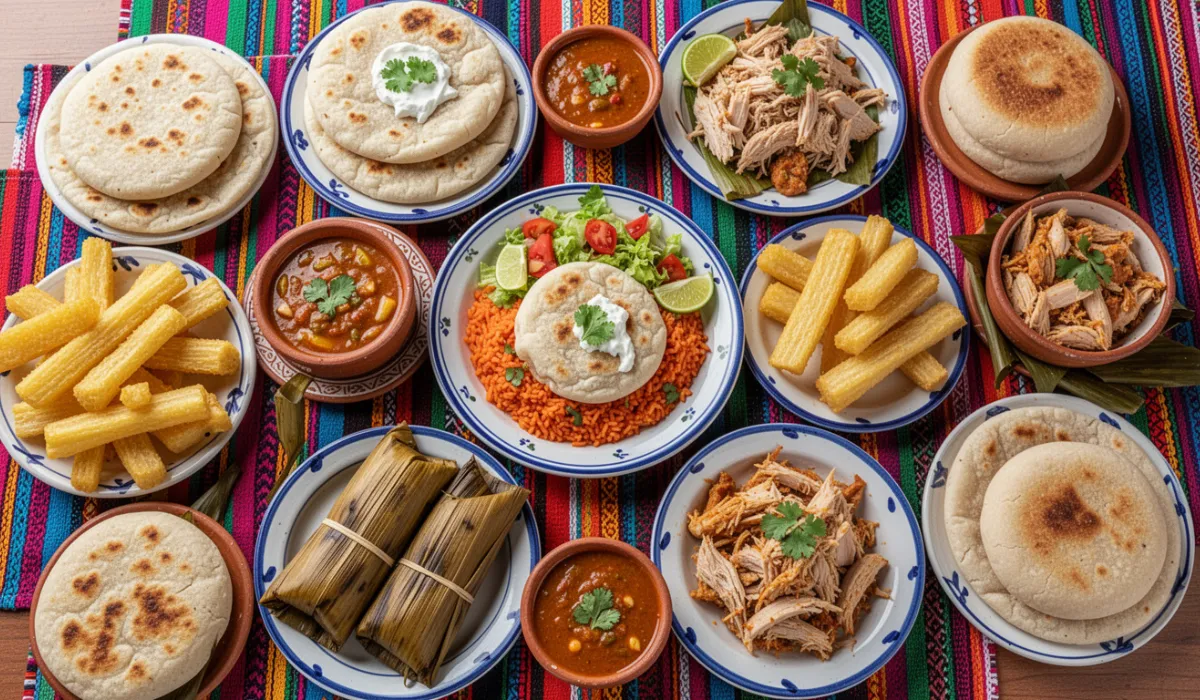
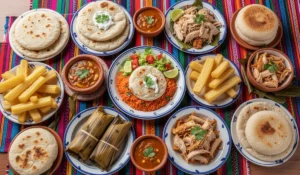
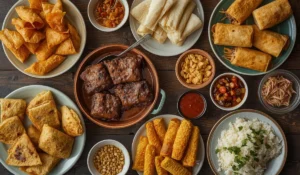
- The Pupusa: The indisputable national dish. A thick tortilla made of corn or rice dough filled with cheese, beans, pork crackling, loroco, or the “revuelta” combination. It is always served with curtido (fermented cabbage salad) and tomato sauce. Market price: $0.50 – $1.00 each.
- Yuca con Chicharrón: Fried or boiled yuca, served with crispy pieces of pork crackling and curtido. A street food classic.
- Salvadoran Tamales: Corn dough filled with chicken, pork, or beans, wrapped in a plantain leaf and steamed. They are more elaborate than in other countries, with ingredients like olives and capers.
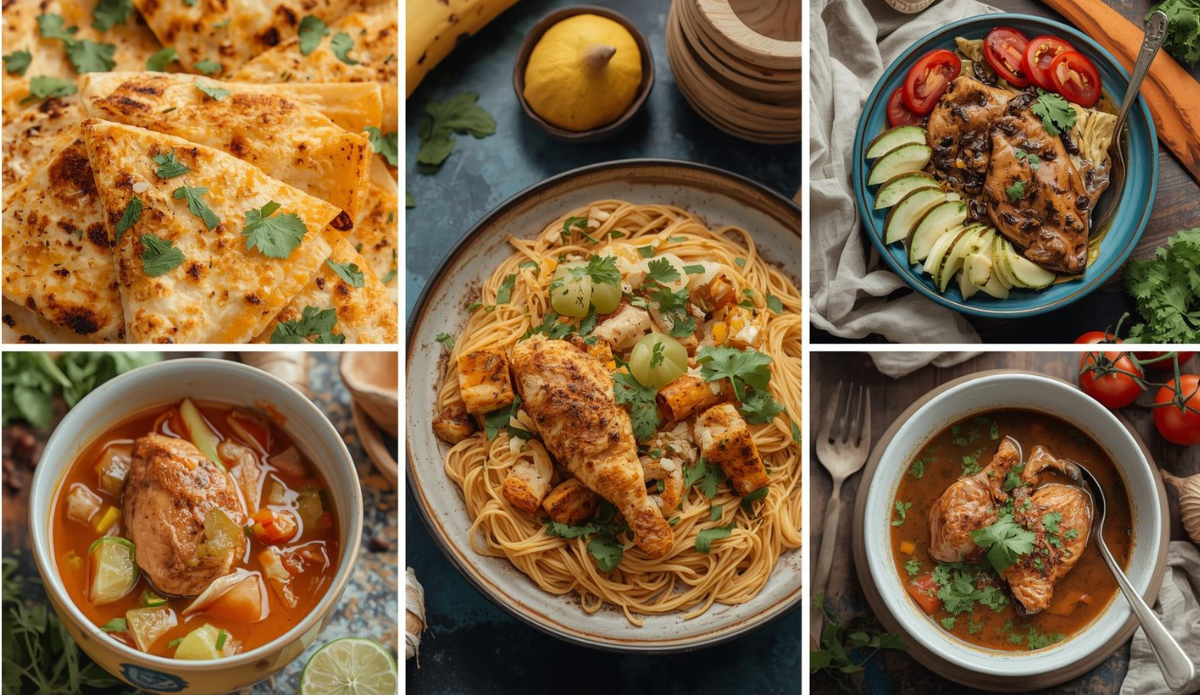
- Sopa de Pata or Sopa de Gallina India: Comforting and hearty soups, ideal for lunch. Sopa de Pata is famous for being considered a hangover remedy.
- Desserts and Drinks: Don’t leave without trying a Salvadoran quesadilla (a sweet cheese pastry), plantain empanadas, or a hot atol de elote (corn atole). To drink, Salvadoran horchata (made from morro seeds) is unique.
Prices in the Gastronomic Markets of El Salvador
Eating in the markets is remarkably economical, especially compared to tourist restaurants.
| Dish / Product | Approximate Price Range (USD) | Notes |
|---|---|---|
| Pupusa | $0.50 – $1.25 | Price varies by type of dough and filling. |
| Plate of Yuca con Chicharrón | $3.00 – $5.00 | Usually a generous portion. |
| Tamal | $1.00 – $2.00 | |
| Sopa de Pata / Gallina | $5.00 – $10.00 | A complete and hearty dish. |
| Drink (Atol, Horchata) | $1.00 – $2.50 | |
| Street Food (Garnachas, Pastelitos) | $2.00 – $5.00 per order |
Budget Tip: With $5 – $8 dollars, you can enjoy a complete and satisfying meal (for example, two pupusas, a drink, and a dessert).
Local Experience vs. Tourist Experience
- Authenticity and Atmosphere: Markets like Ex-Cuartel offer a raw and authentic experience, with fewer adaptations for tourists. The new gastronomic plazas offer greater comfort and order, attracting both local families and tourists.
- Service and Communication: In traditional markets, interaction is direct and Spanish is essential. In more modern spaces, there may be greater ease for international visitors.
- Prices: They are generally fair for everyone. However, in purely tourist markets like the National Handicrafts Market, handicraft prices can be up to 20% higher than at their place of origin.
Technology and Modernization in Gastronomic Markets
El Salvador is modernizing its market infrastructure. The creation of the National Markets Directorate (DMN) seeks to centralize and professionalize administration. This translates into cleaner, safer markets with better services, like the panoramic elevators and lactation areas in the new San Miguelito.
Regarding payments, although cash is still king (used in 80% of small stalls), acceptance of mobile banking applications has grown 40% since 2024. For tourists, this modernization is also seen in logistics. Vehicle rental companies with national coverage, like Carvi, are a recommended option for visiting several markets flexibly, especially for transporting bulky handicrafts.
Tips for Visiting Gastronomic Markets in El Salvador
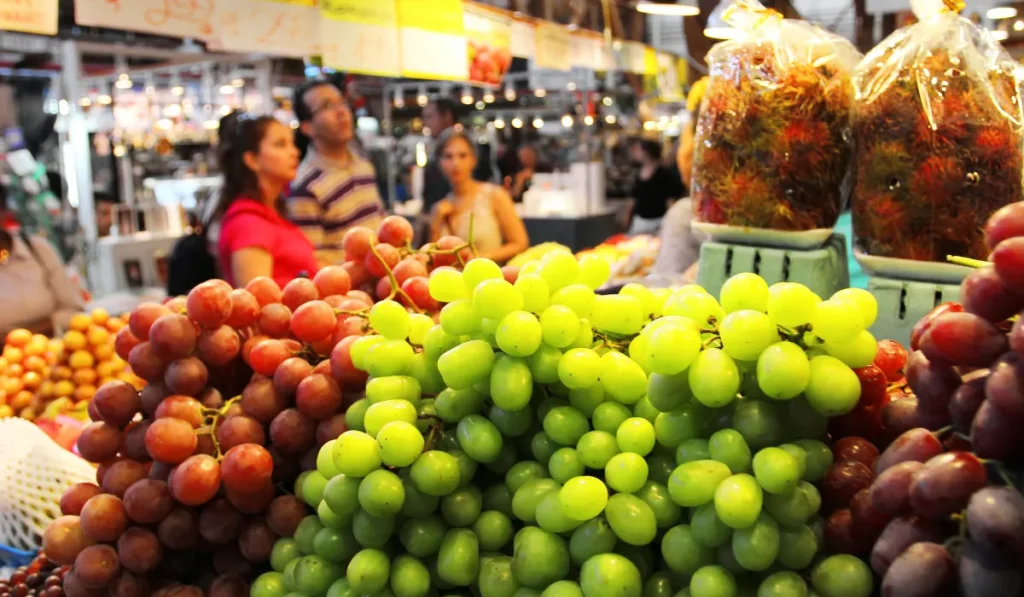
- Best Times: Go between mid-morning and noon (10:00 AM – 2:00 PM). Everything is in full operation, the food is fresh, and there is more activity.
- Money: Bring cash in small bills. It is essential for most transactions.
- Safety: The main markets have a presence of the Tourism Police (POLITUR). Use common sense: watch your belongings, avoid dark and empty areas, and enjoy during business hours.
- What to Try First: If it’s your first time, start with a pupusa revuelta and a horchata. They are the “abc” of Salvadoran flavor.
- For Tourists: Don’t be afraid to ask. Vendors are usually friendly. A good indicator of quality is seeing a stall full of locals.
Frequently Asked Questions (FAQ)
- What is the best gastronomic market in El Salvador?
It depends. For handicrafts and tourist atmosphere: National Handicrafts Market. For authenticity and traditional food: Ex-Cuartel Market. For modernity and variety: the renovated San Miguelito Market or the Monte San Juan Gastronomic Plaza. - How much does it cost to eat in a market?
You can eat simply for less than $5 (for example, three pupusas and a drink), or enjoy a complete lunch (soup, main dish, dessert) for between $8 and $15. - Do they accept digital payments or dollars?
The US dollar is the official currency and is accepted everywhere. For digital payments, coverage is still limited but growing, especially in modernized markets. Prioritize cash. - Are they recommended for tourists?
Absolutely yes. They are the cultural heart of the country. For a first time, opt for markets with greater tourist traffic or recent remodeling, where the experience is equally authentic but with more adapted infrastructure.
Conclusion
Exploring the gastronomic markets of El Salvador is much more than going out to eat. It is an immersion into the history, colors, smells, and warmth of its people. Every direct purchase supports family economies, and every bite is a journey through centuries of culinary tradition. From the ancestral bustle of Ex-Cuartel to the modernity of San Miguelito, these spaces invite you to experience Salvadoran authenticity. So, be encouraged, bring cash, come hungry, and let yourself be carried away by the flavor route of El Salvador.
Share this content:
Post Comment