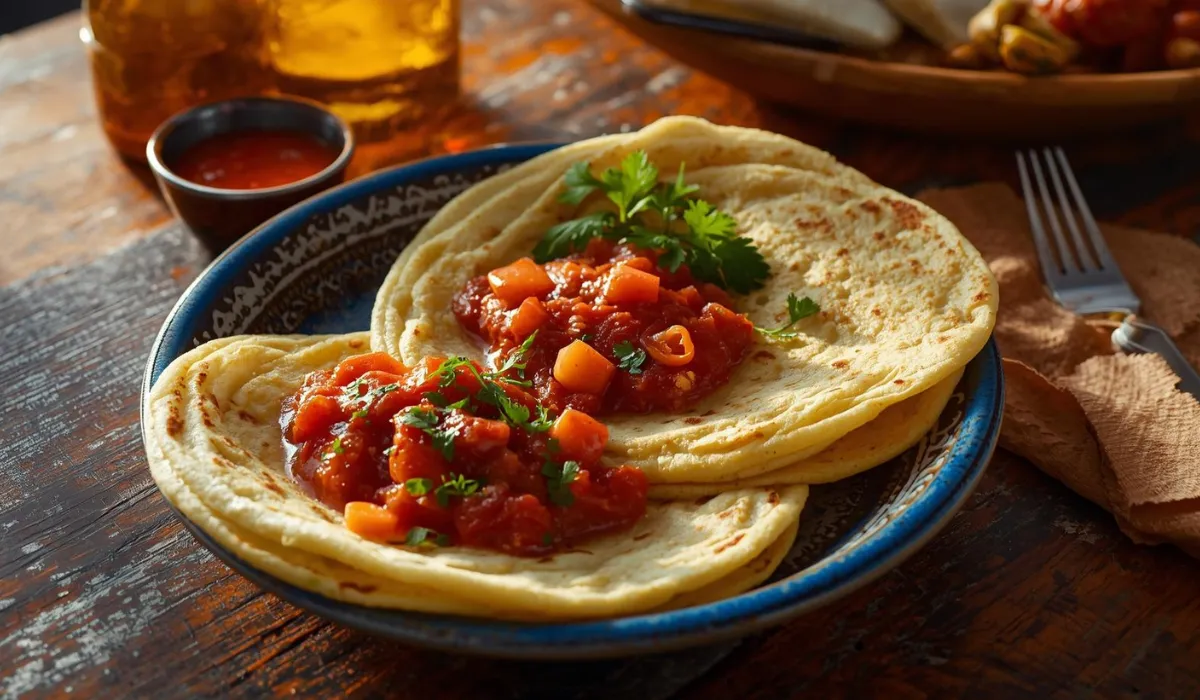
- A Heritage with the Flavor of Corn: The Origins of Salvadoran Cuisine
- The Soul of the Country: Pupusas, More Than a Simple Dish
- Unmissable Destinations: The Geography of Salvadoran Flavor
- Beyond the Pupusa: Other Pillars of Typical Salvadoran Food
- Flavor Calendar: Gastronomic Festivals by Month
- Practical Tips for the Gastronomic Tourist
Traditional food for tourists in El Salvador is much more than a simple culinary experience: it is a direct gateway to the country’s culture, history, and everyday life. From iconic pupusas to the authentic flavors found in local markets and traditional towns, this guide will help you discover what to eat, where to find it, and how to enjoy a truly authentic culinary experience during your visit to El Salvador.
Before diving into El Salvador’s delicious traditional food, make sure to plan your mobility. With Carvi, you can rent a car online in minutes and explore every culinary destination freely and comfortably.
👉 Book your car with Carvi and enjoy your foodie journey without limits!
A Heritage with the Flavor of Corn: The Origins of Salvadoran Cuisine
Salvadoran gastronomy is the result of a fascinating culinary mestizaje (mix). Its roots are embedded in the diet of indigenous peoples like the Pipil, whose sustenance revolved around corn, beans, squash (ayote), and cacao. It is believed that the ancestors of pupusas were thick corn tortillas filled with local ingredients like squash flowers, herbs, and mushrooms.
The Spanish Conquest introduced revolutionary ingredients: pork, chicken, beef, dairy (cheese, cream), rice, spices, and techniques like frying. From this fusion, the foundation of modern typical food for tourists was born. For example, chicharrón (fried pork) and cheese became staple fillings, and curtido, that fermented cabbage salad accompanying almost everything, carries Spanish influence. This living history means every bite is not just a pleasure but a lesson in the nation’s resilient identity.
The Soul of the Country: Pupusas, More Than a Simple Dish
Declared Intangible Cultural Heritage of the Nation and officially designated as the National Dish since 2005, pupusas are the ultimate gastronomic symbol. Their name has been studied, with theories linking it to Pipil or Mayan-Quiché words meaning “well-joined,” a perfect reference to the skill of sealing the dough over its delicious filling.
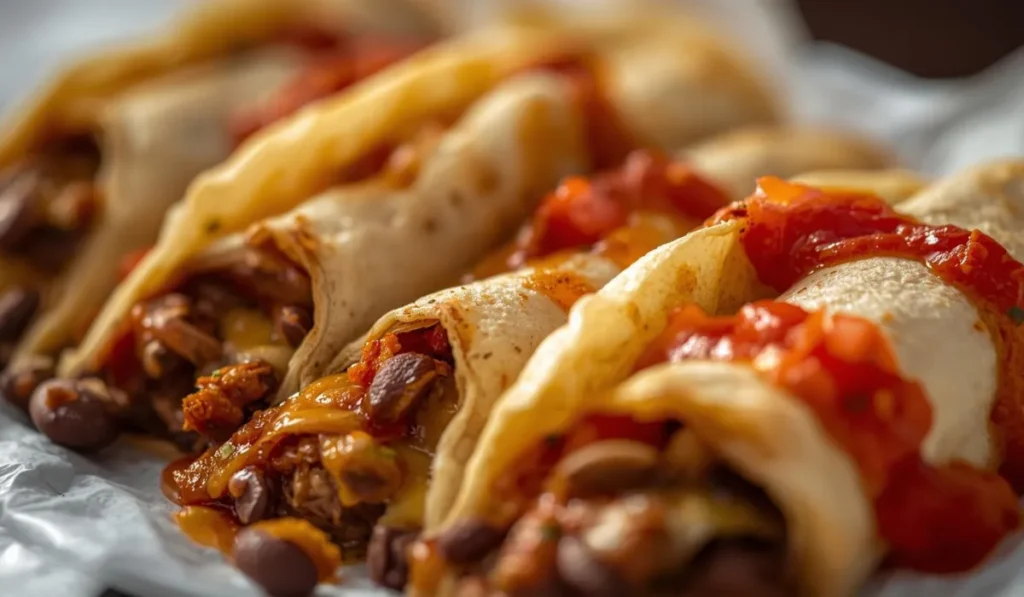
Types and Fillings: A Universe of Flavors
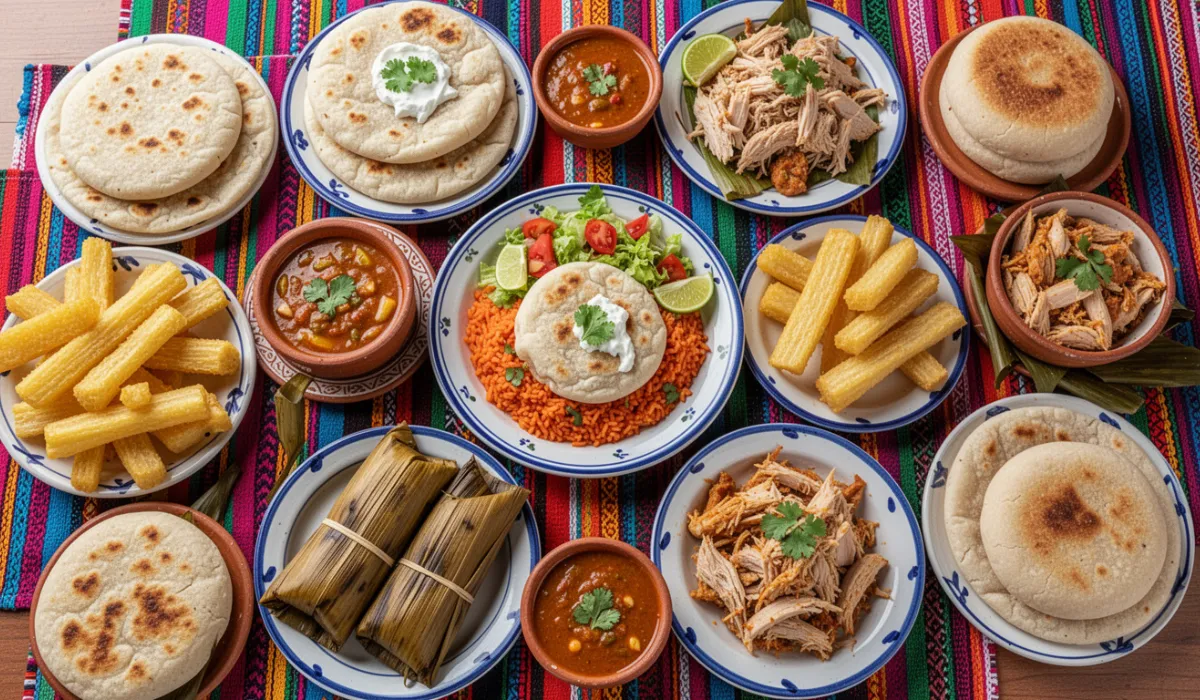
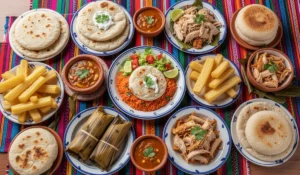
A pupusa is a thick, hand-made tortilla of corn or rice dough, filled and cooked on a comal (griddle). For the tourist, exploring its varieties is an adventure:
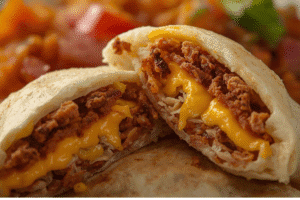
- The Classic Traditionals: Queso (usually a soft cheese called quesillo), Chicharrón (fried and ground pork), Refried Beans, and the iconic Queso con Loroco (a local flower with a unique aroma). The Revuelta, combining cheese, chicharrón, and beans, is the “all-in-one” option.
- Modern and Local Variants: In innovative pupuserías, you can find fillings like spinach, shrimp, chicken, blackberry, or chipilín (an aromatic herb). In Olocuilta, the birthplace of the rice pupusa, this variety—historically born from corn scarcity—is a registered trademark and offers a distinct texture and flavor experience.
How and Where to Live the Pupusa Experience
They are eaten with your hands, folded, and always accompanied by curtido (a vinegary cabbage and carrot slaw) and natural tomato sauce. The ideal place is a pupusería or a “pupusódromo” (a cluster of several stalls), where the bustling atmosphere is part of the charm. Essential info: the second Sunday of November is celebrated as National Pupusa Day, with festivals like the one in Olocuilta, where a giant pupusa is made.
Unmissable Destinations: The Geography of Salvadoran Flavor
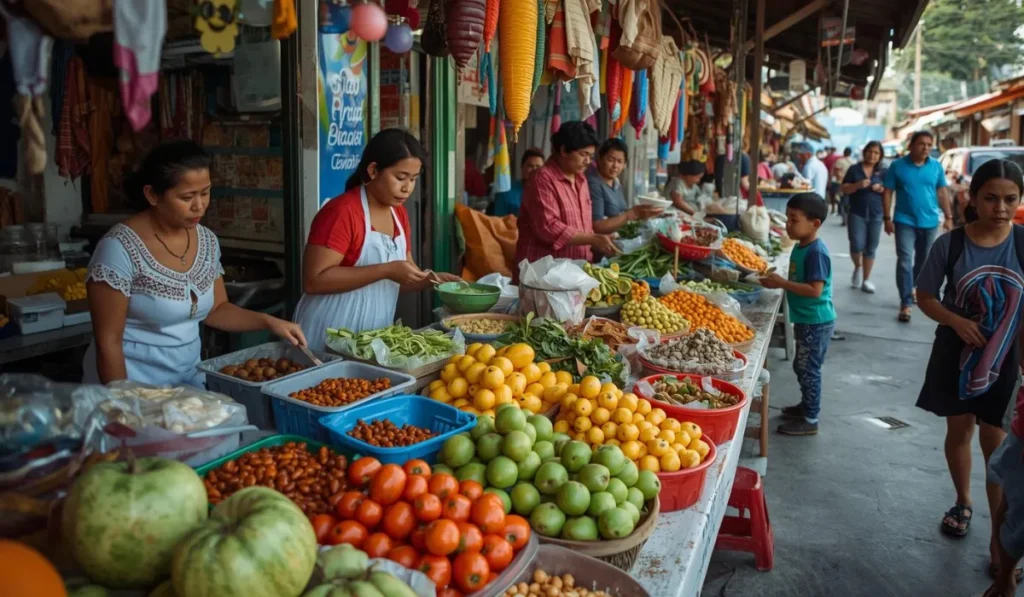
The true typical food for tourists is discovered by traveling. Each region holds a culinary secret. Renting a car is the best way to embark on this gastronomic route.
| Destination | Emblematic Specialty | Experience & Context | Complementary Activity |
|---|---|---|---|
| Olocuilta, La Paz | Rice Pupusa (Geographical Indication). | Pupusa capital. Festive atmosphere in its pupusódromos (El Triángulo, Buena Vista). | Celebrate National Pupusa Day in November. |
| Cojutepeque, Cuscatlán | Artisanal Sausages (chorizo, longaniza, butifarra). | Decades-old sausage-making tradition. Smoky, spiced flavors. | Visit in December for its Chorizo Festival (Dec. 9th). |
| Caluco, Sonsonate | Sopa de Gallina India (Recognized by Taste Atlas). | Powerful soup with local herbs, served at resorts like Shutecat. | Enjoy a relaxing day at the municipal hot springs. |
| Salcoatitán, Sonsonate | Fried or Boiled Yuca (Cassava). | Perfectly prepared yuca, served at the Quetzalcóatl Plaza. | Tour the Ruta de las Flores and enjoy its landscapes. |
| Puerto de La Libertad | Fresh Seafood (fried fish, cocktails, mariscada). | Authentic coastal experience at the Mercado del Mar, by the boardwalk. | Buy fresh fish, take surf lessons, or enjoy the sunset. |
Traveling between regions to taste traditional dishes is faster and more convenient with a car. Carvi allows you to choose the vehicle you prefer and plan your culinary route stress-free, making sure you don’t miss any authentic flavors along the way.
🔹 Reserve your car with Carvi and explore all culinary spots at your own pace.
Beyond the Pupusa: Other Pillars of Typical Salvadoran Food
The typical food for tourists offers a variety to satisfy all palates.
Salvadoran Tamales: Tradition Wrapped in Plantain Leaf
Different from their regional neighbors, they are moist and aromatic. The tamal de pollo o cerdo (chicken or pork) includes olives, capers, and chickpeas. The tamal de elote is sweet and soft, and the tamal pisque is a simple bean version. A key destination is San Pedro Perulapán, which celebrates its own Tamal Festival in late August.
Yuca con Chicharrón y Curtido: A Comforting Classic
This dish is pure texture and contrast: the yuca (cassava) boiled (soft) or fried (crispy), accompanied by pork chicharrón (juicy and crunchy) and a generous portion of tangy curtido that cuts through the fat. It is the star dish of Salcoatitán and Chalchuapa.
Delights from the Sea: The Riches of the Pacific
On the coast, the menu changes. Must-tries are mariscada (a thick broth full of shellfish), Salvadoran ceviche (based on shrimp or fish, with lots of lime and cilantro), and the simple yet perfect whole fried fish, served with rice, salad, and lime.
Typical Breakfast: Energy for a Day of Exploration
A substantial meal that includes: scrambled eggs, refried beans (sometimes blended), sweet fried plantain, fresh cheese, sour cream, rice, and freshly made tortillas. Accompanied by high-altitude Salvadoran coffee, it is the best start to any day.
Desserts and Drinks: The Sweet Finale
- Desserts: The Salvadoran “quesadilla” (a baked cake of rice flour and cheese, not a dairy dessert), nuegados (fried yuca balls bathed in panela—raw cane sugar—syrup), and torrejas (similar to Spanish “torrija,” typical of Holy Week).
- Drinks: Salvadoran horchata (made from morro seeds, not rice, with an earthy, unique flavor), atol de elote (hot, thick, and sweet), and natural refreshers of tamarind, jocote (Spanish plum), or the singular “ensalada” drink, with chunks of fruit.
Flavor Calendar: Gastronomic Festivals by Month
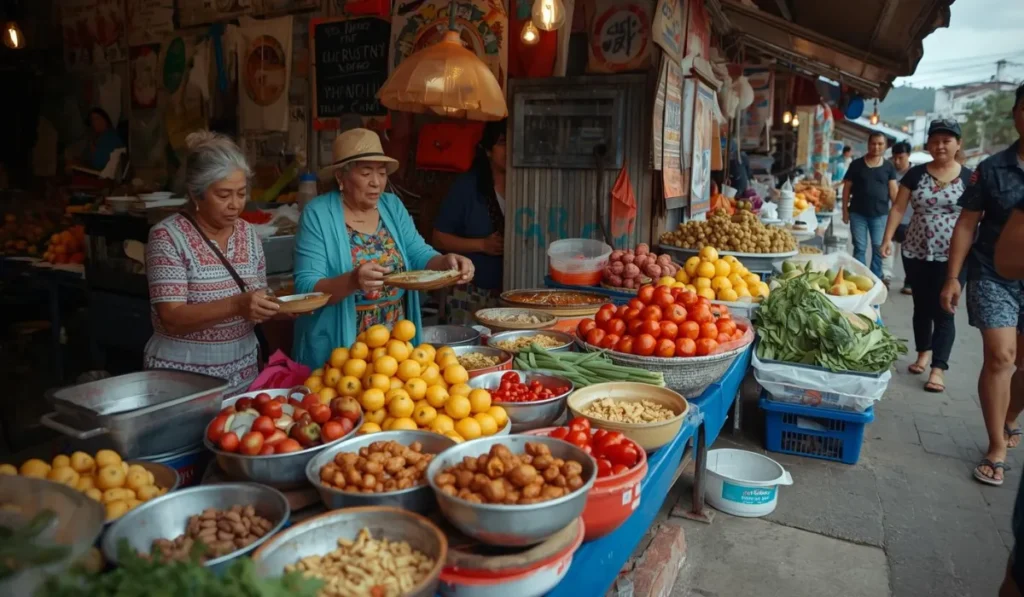
Planning your trip around these festivals is an extraordinary way to experience typical food for tourists at its peak.
| Month | Festival | Location | Main Attraction |
|---|---|---|---|
| August | Corn Festival | Suchitoto, Cuscatlán | Riguas (corn cakes), atoles, corn on the cob, pupusas: all corn derivatives. |
| August | Tamal Festival | San Pedro Perulapán, Cuscatlán | Over 20 types of tamales, from classic to innovative. |
| August | Loroco Flower Festival | San Lorenzo, Ahuachapán | Celebration of this unique flower in pupusas, sauces, and more. |
| November | National Day/Pupusa Festival | Olocuilta, La Paz | The ultimate celebration, with pupusas of all types and sizes. |
| December | Chorizo Festival | Cojutepeque, Cuscatlán | Tasting of the best artisanal sausages in the country. |
Travel Tip: For official, updated information on festival dates and times, always check the agenda of the Salvadoran Tourism Corporation (CORSATUR).
Practical Tips for the Gastronomic Tourist
- Safety & Hygiene: Trust places with good traffic from locals. Food prepared to order is generally safe. On the coast, prefer well-cooked seafood.
- Budget: Typical food for tourists is very economical. In markets and comedores (small eateries), a hearty plate costs between $3 and $7 USD. In restaurants with more ambiance or touristy locations, between $10 and $20 USD.
- Mobility: To follow gastronomic routes like the Ruta de las Flores or get to Olocuilta, a rented car (with services like Carvi) is invaluable. It gives you the freedom to explore at your own pace.
- Culture & Etiquette: Use your hands for pupusas. Don’t be afraid to ask for recommendations. A “¡Qué rico!” (How delicious!) is the best compliment. Carry cash in US dollars (the official currency), as many small places do not accept cards.
- Spice Level: The food is not spicy by default. Spice is served on the side, usually in sauces, allowing you to completely control the intensity.
Explore El Salvador without limits
Discover all the traditional flavors this country has to offer. Rent a car with Carvi and visit everything from gourmet restaurants to local pupuserías at your own pace, hassle-free.
Ready to taste El Salvador? Start by marking the festivals that coincide with your visit on your itinerary and rent a car to have the freedom to discover those authentic flavors that transform a simple trip into an unforgettable cultural experience.
Share this content:
Post Comment