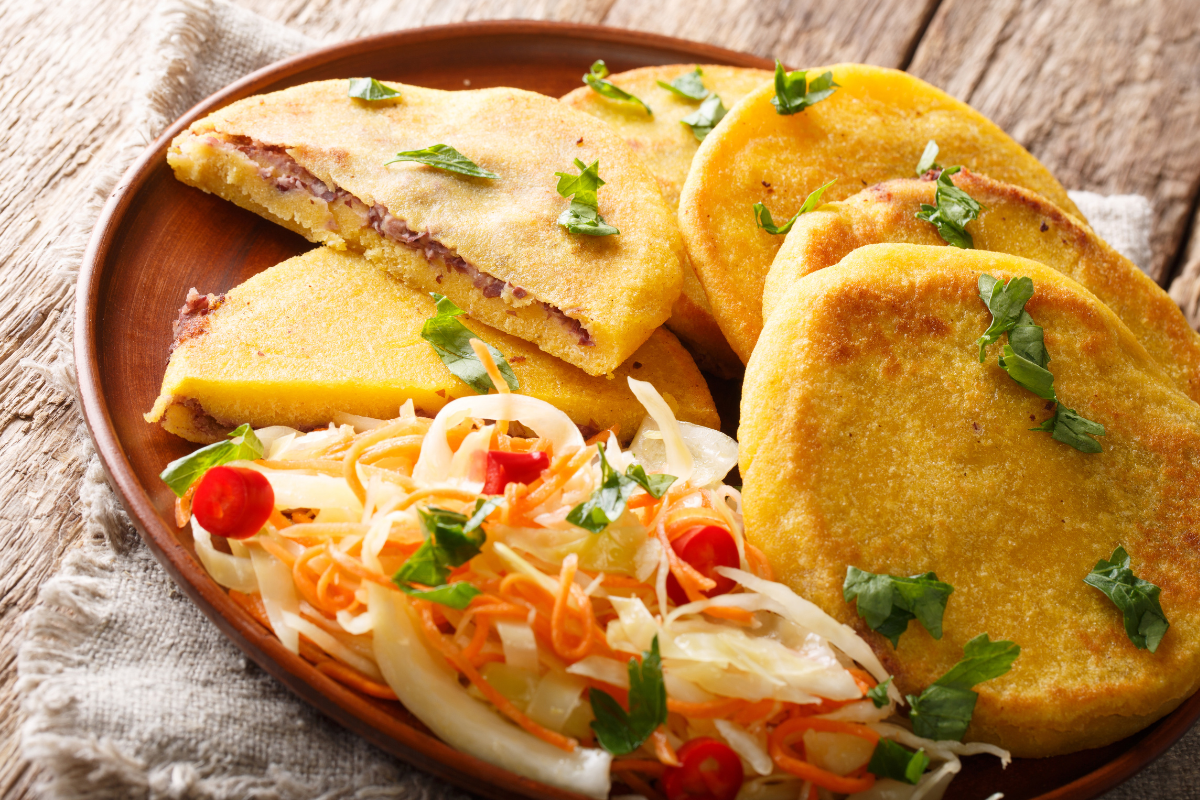
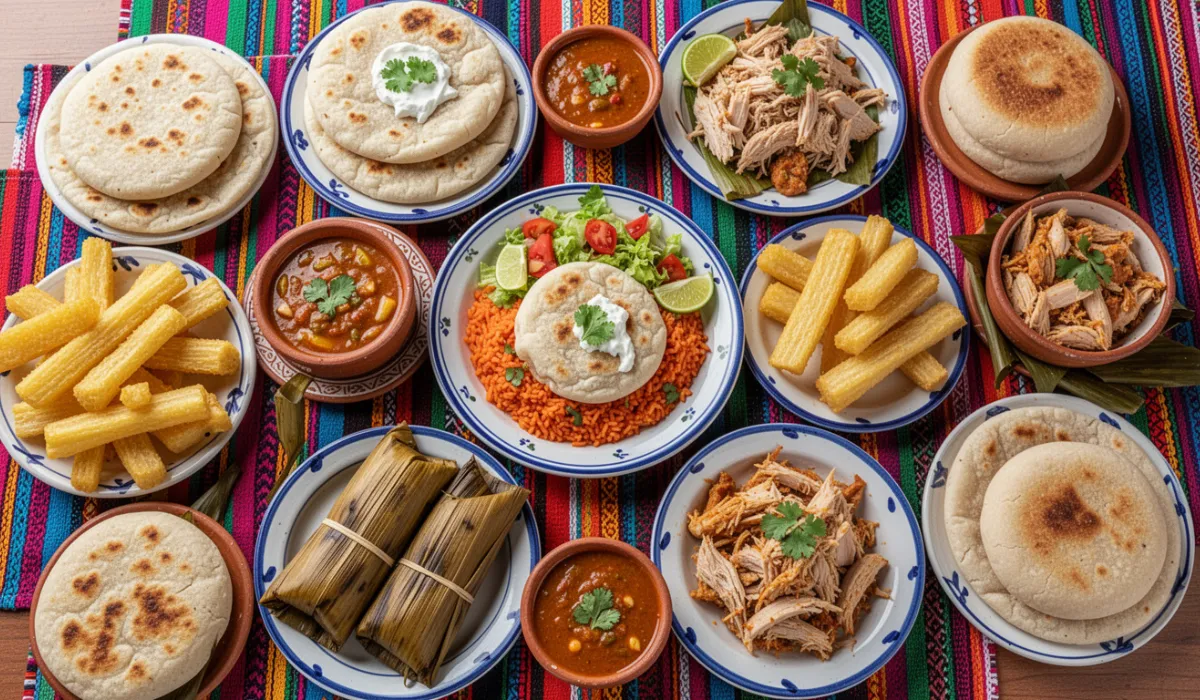
Typical Salvadoran food is a vibrant celebration of history, community, and flavor. More than just a list of dishes, it is a cultural experience lived in markets, family-owned pupuserías, and every home. This cuisine, with its deep indigenous roots enriched by Spanish influence, transforms humble ingredients like corn and beans into comforting, identity-rich gastronomy. From the iconic national dish, the pupusa, to soul-warming soups and life-sweetening desserts, every bite tells the story of a warm and resilient people.
This culinary journey will not only show you what to eat but also the history behind each flavor, the native ingredients that make it unique, and practical tips to enjoy it like a true local. Get ready for a feast of authentic flavors.
Exploring the diverse and vibrant flavors of Salvadoran cuisine often takes you beyond one city or neighborhood. From pupusas in San Salvador to seafood ceviche along the coast, having transportation you can rely on makes the experience smoother and more enjoyable. Booking a vehicle in advance through a digital platform like Carvi lets you focus on your culinary journey with peace of mind and flexibility.
👉 Reserve your car with Carvi and hit the road for an unforgettable food adventure!
The Roots of Flavor: Ingredients That Are Heritage
To understand Salvadoran food, it is essential to know the pillars of its pantry. These ingredients not only nourish but define a culture.
Corn is the sacred foundation. Through the ancient process of nixtamalization, it is transformed into the dough for the famous pupusas, tortillas, atoles, and tamales. It is the soul of the cuisine.
The red bean is its inseparable companion, creating the fundamental nutritional and cultural duo. It is served whole in broth, fried as a side dish (“frijoles volcados“), or mixed with rice in the traditional “casamiento” (marriage).
An ingredient with no equal is loroco, an edible flower with a delicate herbal aroma and flavor. It is the quintessential filling for cheese pupusas and a symbol of local biodiversity. Another treasure is the morro seed, which, when roasted and ground, gives life to horchata salvadoreña, a creamy, aromatic drink unique in the world.
To delve deeper into the richness of these and other products, the Complete Guide to Native Salvadoran Ingredients offers a detailed and invaluable overview.
The Queen of the Table: The Pupusa, a National Symbol
If one dish represents El Salvador, it is undoubtedly the pupusa. Declared Intangible Cultural Heritage of the Nation and celebrated every second Sunday of November, it is much more than street food: it is a social ritual.
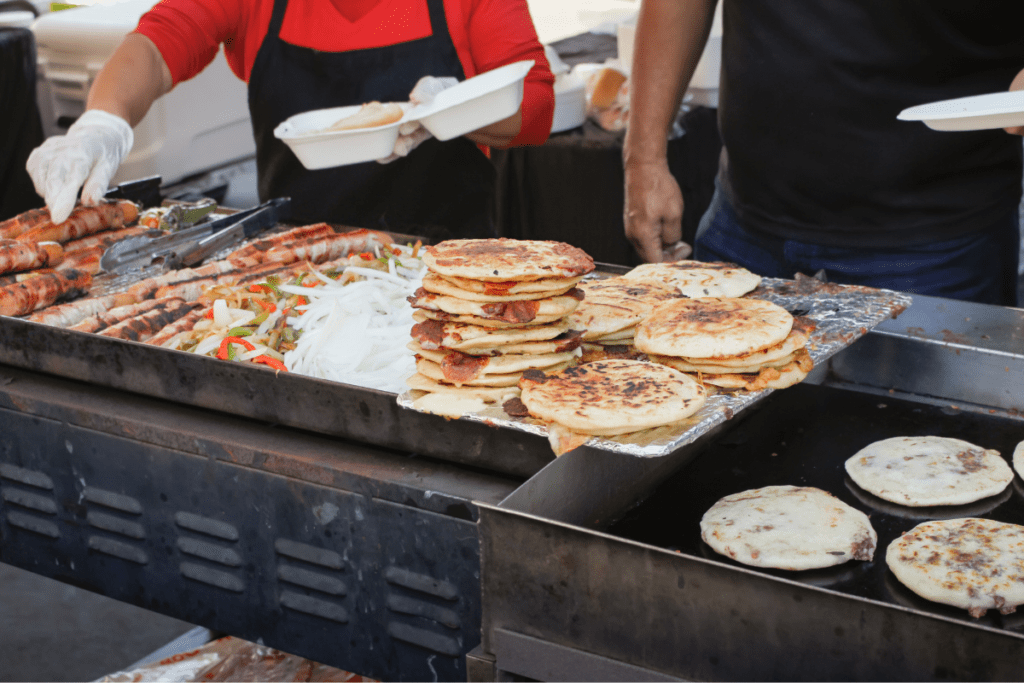
Its origin dates back to the stuffed tortillas of indigenous peoples, perfected over time. The magic lies in its simplicity: a thick tortilla made from corn (or rice) dough that is stuffed before being cooked on a comal.
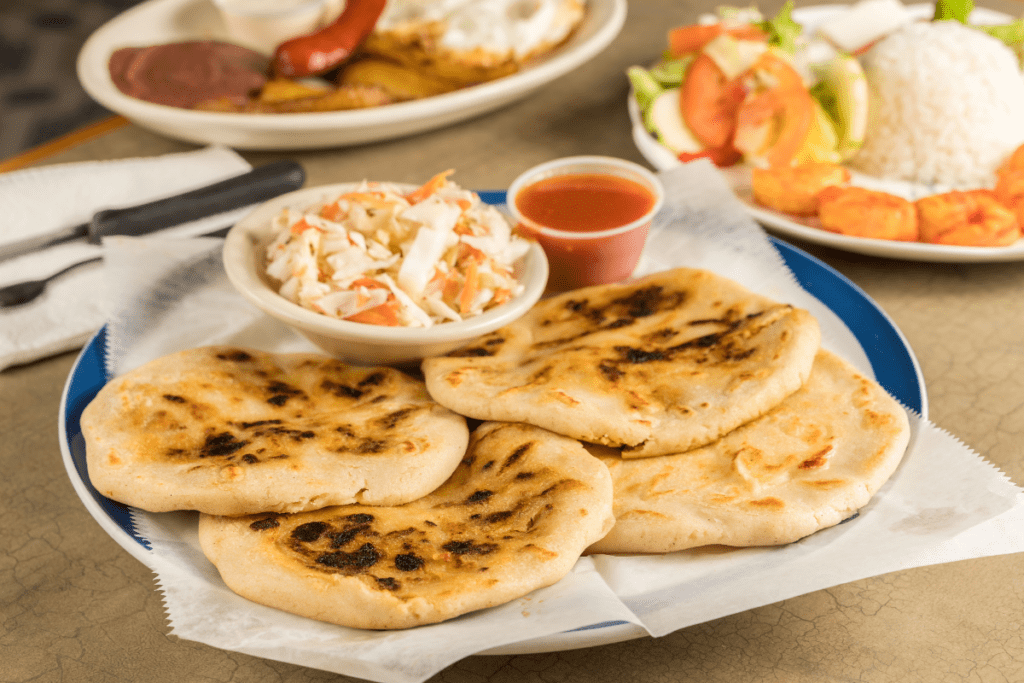
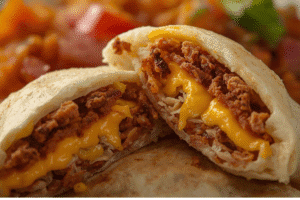
The classic fillings are a tradition in themselves: Cheese with loroco (the most emblematic), refried beans, seasoned ground chicharrón (pork), and the powerful combined “revuelta“ which unites the previous three. Its enjoyment is incomplete without its faithful accompaniments: curtido (a fermented pickle of cabbage and carrot, slightly acidic and crunchy) and natural tomato sauce.
A Feast of Flavors: Beyond the Pupusa
Salvadoran gastronomy is a diverse universe where each dish has its moment. Here is a map of its culinary jewels:
| Category | Iconic Dish | What Makes It Special? | Ideal Moment |
|---|---|---|---|
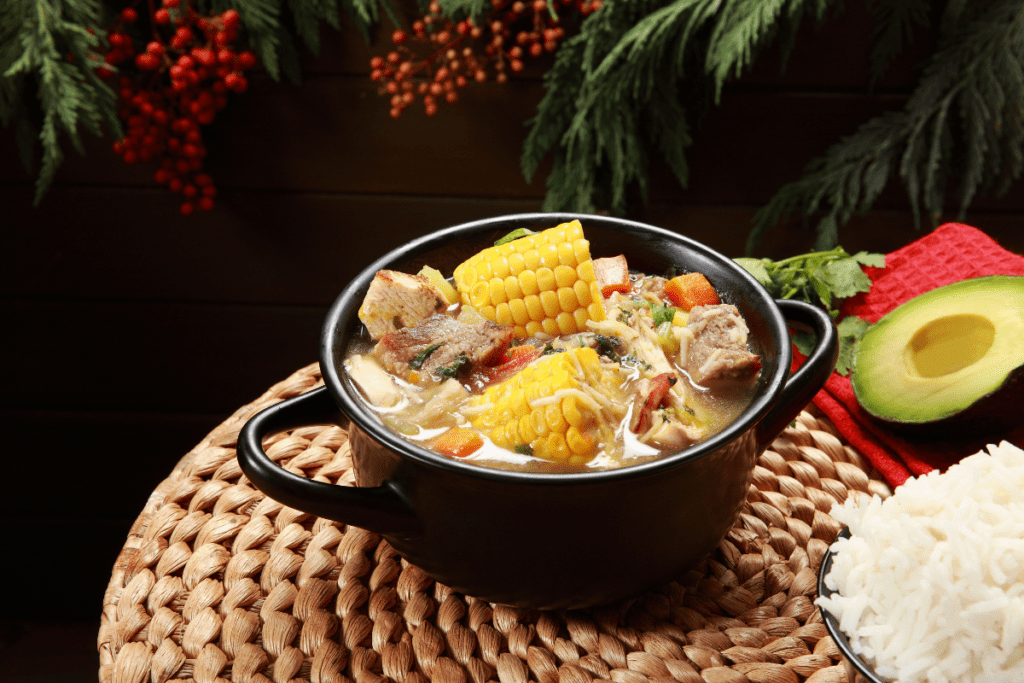
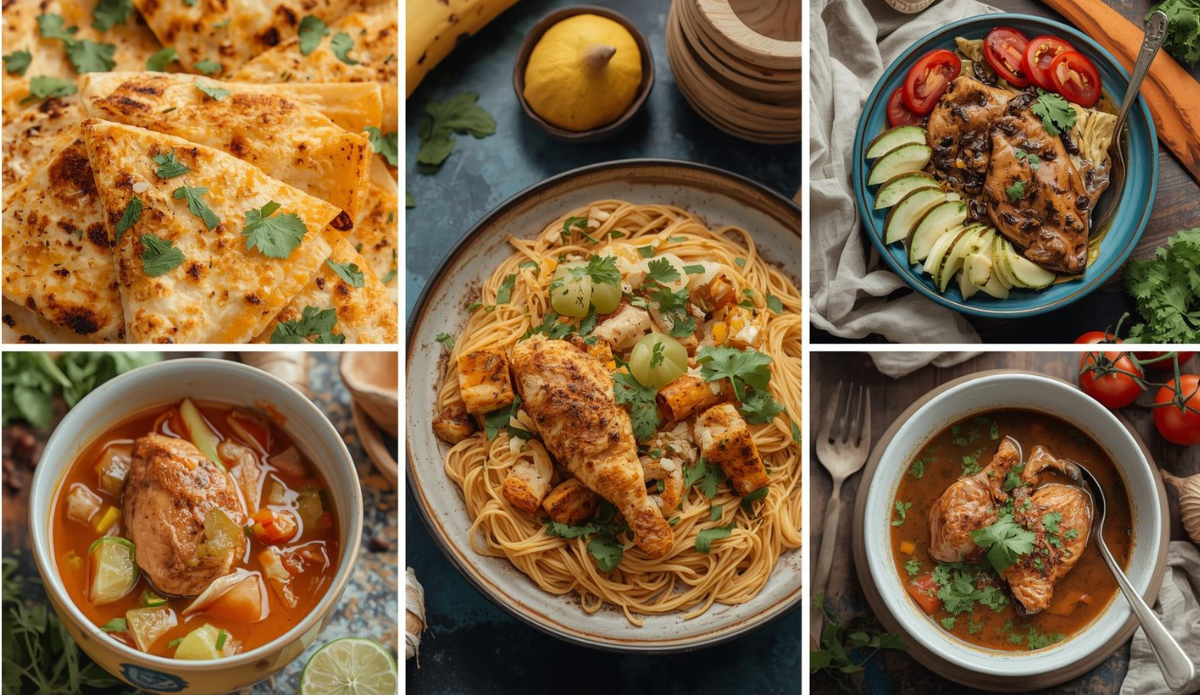
| Comforting Soups | Sopa de Gallina India | Free-range chicken, young corn (elote), chayote (güisquil), and herbs. Deep, homestyle flavor. | Family lunch, holidays. |
| Comforting Soups | Sopa de Pata | Substantial broth made from cow’s feet, vegetables, and spices. | Considered restorative, ideal for regaining energy. |
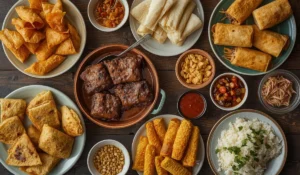
| Snacks & Sides | Fried Yuca with Chicharrón | Boiled or fried yuca, with crispy chicharrón, small fried fish (pepescas), and curtido. | A sharing plate for informal gatherings. |
| Snacks & Sides | Salvadoran Tamales | Moist corn dough, wrapped in a plantain leaf. Filled with chicken, pork (with olives), or beans (“pisque“). | Traditional breakfast, especially on weekends. |
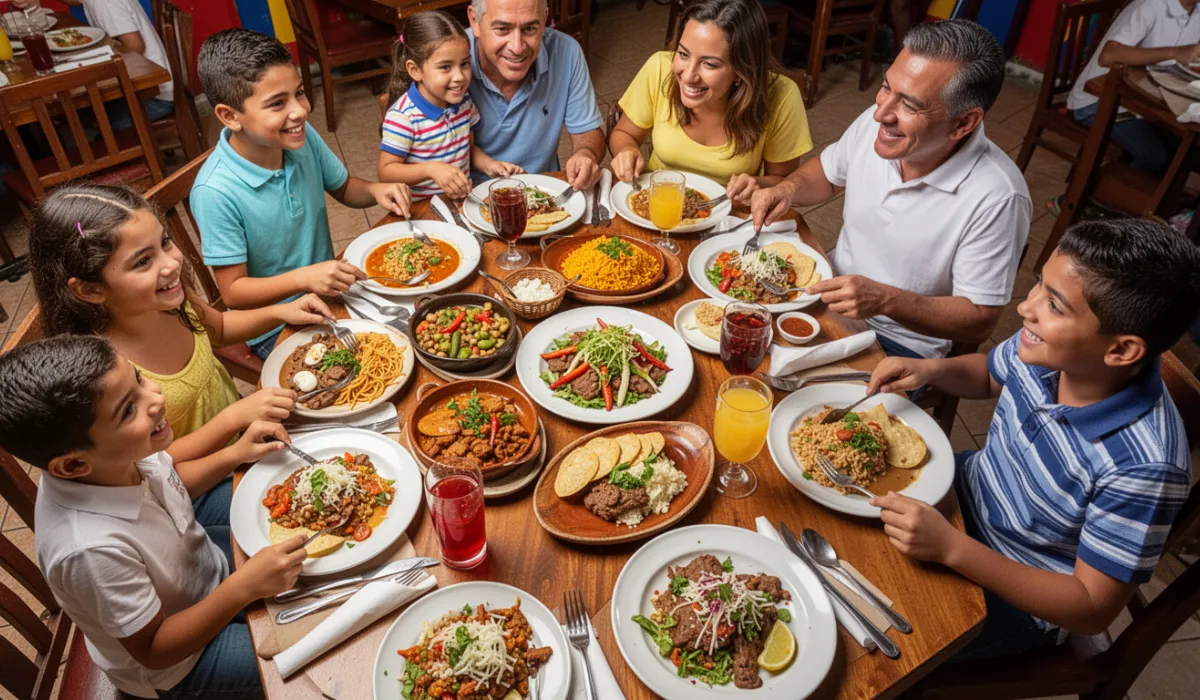
| Main Dishes | Salvadoran Grilled Steak | Marinated steak, served with loroco, chimol (fresh salsa), rice, beans, and tortillas. | The star dish of social gatherings and Sundays. |
| Traditional Desserts | Salvadoran Quesadilla | Not the Mexican one! It’s a sweet, spongy, and slightly salty cake made with cheese and rice flour. | Snack or breakfast, accompanied by coffee. |
| Traditional Desserts | Plantain Empanadas | Sweet fried plantain dough, usually filled with beans or sweet milk cream (poleada). | Dessert or sweet craving any time. |
To fully enjoy Salvadoran gastronomy — especially if you’re planning to explore several regions — having a personal vehicle is invaluable. With Carvi, you can reserve your ride quickly online, choose your pickup location (even at the airport), and enjoy seamless mobility throughout your food tour.
🚗 Book your vehicle with Carvi and make every stop a breeze!
Practical Guide for the Foodie Traveler
Living the authentic culinary experience requires delving into its natural settings.
Where to Eat: The Temples of Flavor
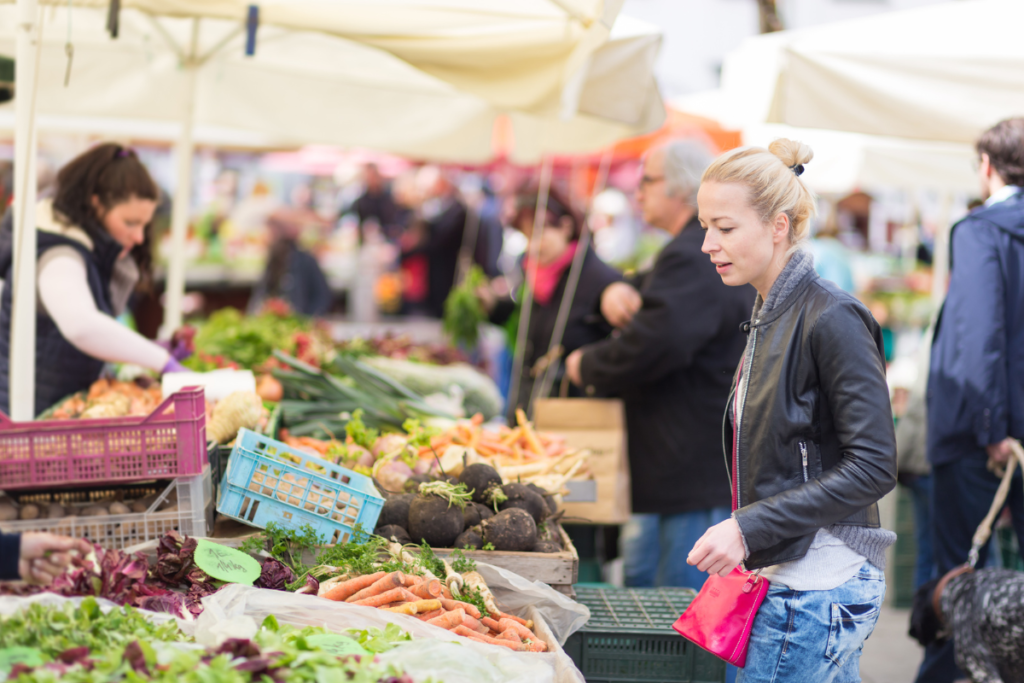
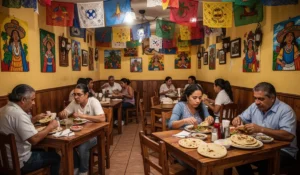
The soul of this food beats in neighborhood pupuserías and bustling pupusódromos (concentrations of street food stalls). For total immersion, visit municipal markets like the Central Market in San Salvador, where aroma, color, and sound are part of the menu. Don’t forget to order the “typical plate” in restaurants, a combo that is a feast in itself.
Getting Around Freely: The Key to Discovery
The best way to discover culinary secrets off the tourist trail is by having your own mobility. For this, Carvi presents itself as an excellent local and innovative option. This digital platform, which operates on a peer-to-peer model (often called the “Airbnb of cars“), allows you to rent a vehicle directly from local hosts quickly, digitally, and flexibly, without the lengthy procedures or high deposits of traditional rentals. You can coordinate delivery at the airport or your hotel and set off on your culinary adventure. Explore their options at carviapp.com.
Essential Drinks
No meal is complete without horchata de morro, the national drink. For mornings or after a meal, a high-quality Salvadoran coffee is a first-class experience. In season, be sure to try the atoles, especially atol de elote (sweet and hot) or the intriguing atol shuco (salty and fermented).
Conclusion: A Flavor You Carry in Your Heart
Exploring typical Salvadoran food is opening yourself to a form of human connection. It is accepting the warmth of a people who express their history and joy through the simple yet profound flavors of their land. From the first bite of a steaming pupusa to the last spoonful of atol de elote, this gastronomic journey leaves a lasting impression.
It is an invitation to sit at the table, to share, and to discover that the essence of El Salvador, without a doubt, is also tasted.
Salvadoran food is best enjoyed on the move — from roadside pupuserías to seaside cevicherías. Whether you’re here for a weekend or a longer cultural food tour, booking your transportation in advance lets you focus on the flavors and experiences that matter most. With Carvi, you can quickly reserve a car online, choose your preferred pickup location, and explore El Salvador’s most delicious corners without hassle.
🚘 Ready to taste your way across El Salvador? Reserve your car now with Carvi!
Share this content:
Post Comment