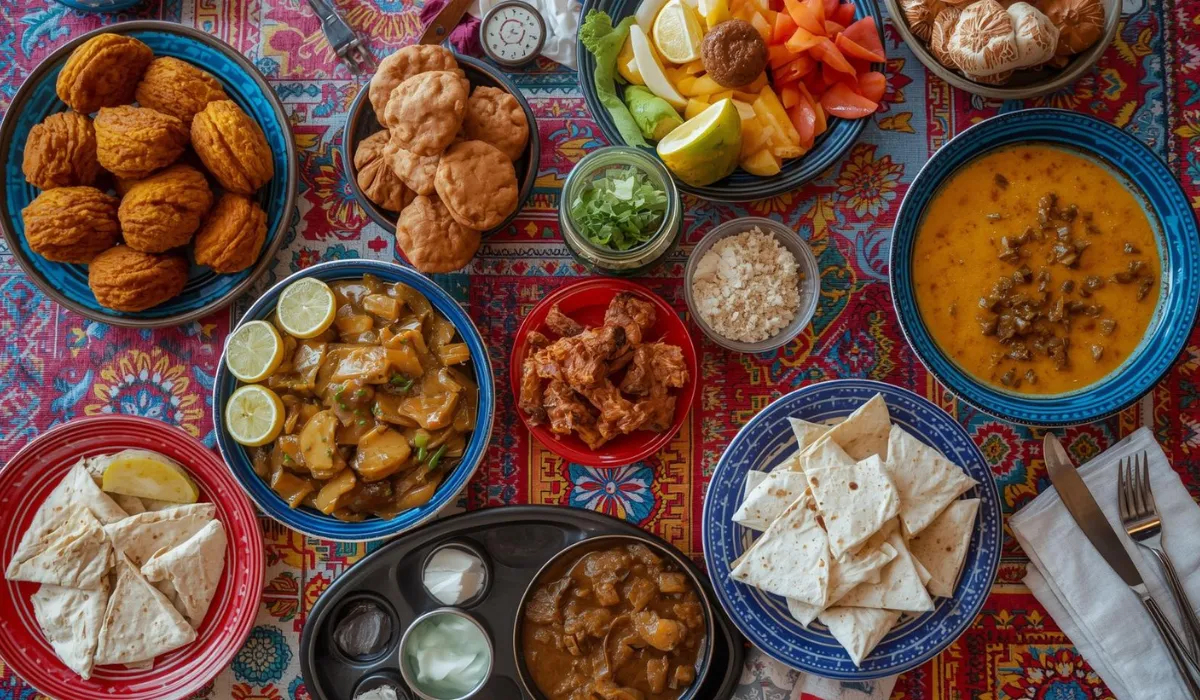
- What is Salvadoran Gastronomy? A Story of Flavor and Identity
- Millennial Roots: A Fusion of Cultures
- Basic Ingredients: The Soul of Salvadoran Cuisine
- Pupusas: The National Treasure of El Salvador
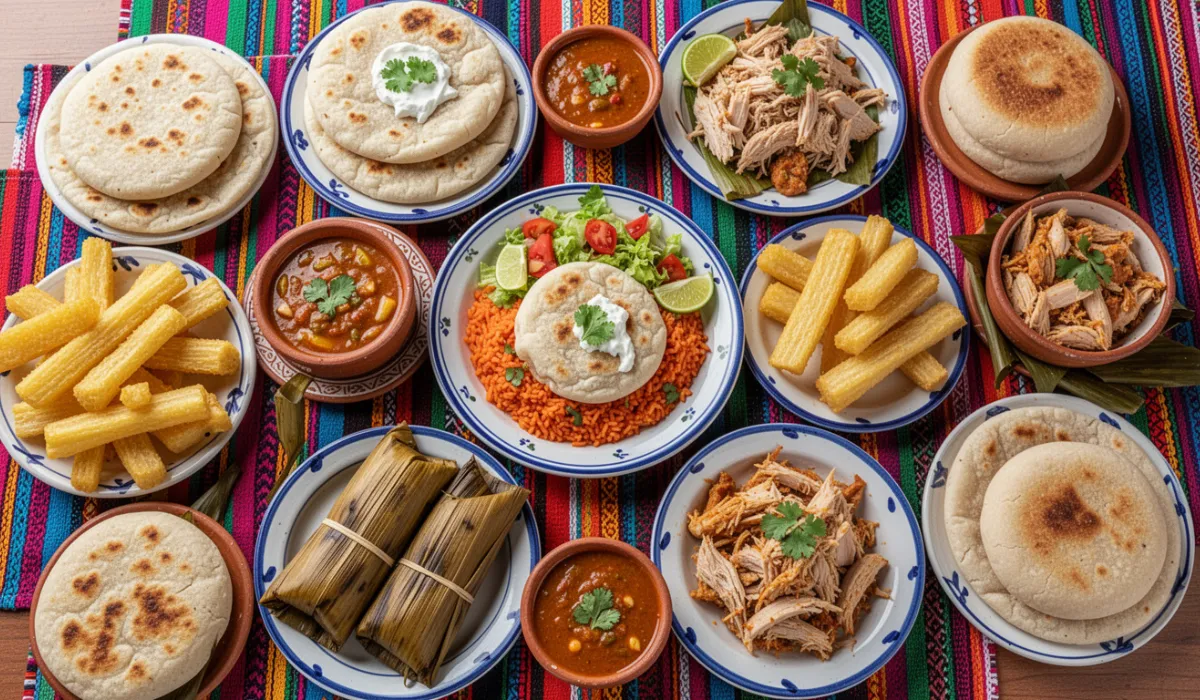
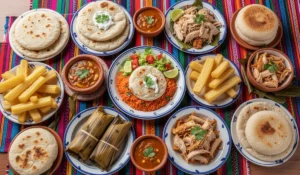
- Beyond Pupusas: A Feast of Traditional Dishes
- Traditional Drinks: The Perfect Complement
- Sweets and Desserts: The Perfect Finale
- Flavors That Unite: Gastronomy in Salvadoran Culture
- Salvadoran gastronomy Today: Tradition with Innovation
- The Global Footprint of Salvadoran Gastronomy
- 🚗 How to Make the Most of Your Salvadoran Food Journey
- A Cultural Heritage with Unique Flavor
- Frequently Asked Questions (FAQ) about Salvadoran Gastronomy
Salvadoran gastronomy is a vibrant, edible narrative, a testament to the ingenuity and cultural blending that defines El Salvador. It is a cuisine that not only nourishes the body but also feeds the collective soul, with roots that sink deep into the fertile soil of Mesoamerica and branches that extend to influences from around the world.
Salvadoran gastronomy is a vibrant journey of flavors, from classic pupusas to coastal seafood delicacies. To truly experience this culinary adventure, having mobility is key. Renting a car allows you to visit local markets, street food stalls, and hidden restaurants beyond the main tourist spots. Carvi makes it easy — book a car online in minutes, skip long lines, and explore El Salvador at your own pace.
This culinary journey reveals how a handful of fundamental ingredients, such as corn, beans, and cheese, are transformed into a dazzling variety of dishes that are both humble and extraordinary. From the emblematic embrace of a hot pupusa to the comforting depth of a sopa de gallina india, every bite tells a story of tradition, family, and celebration.
👉 Book your car with Carvi and explore freely
What is Salvadoran Gastronomy? A Story of Flavor and Identity
Salvadoran gastronomy is the beating heart of the country’s culture. It is characterized by an intimate fusion of three great traditions: the indigenous (mainly Pipil, Maya, and Lenca), the Spanish, and, to a lesser extent, contributions from other international cuisines. This blending is not a simple mix but a deep integration that has resulted in a unique and perfectly identifiable cuisine.
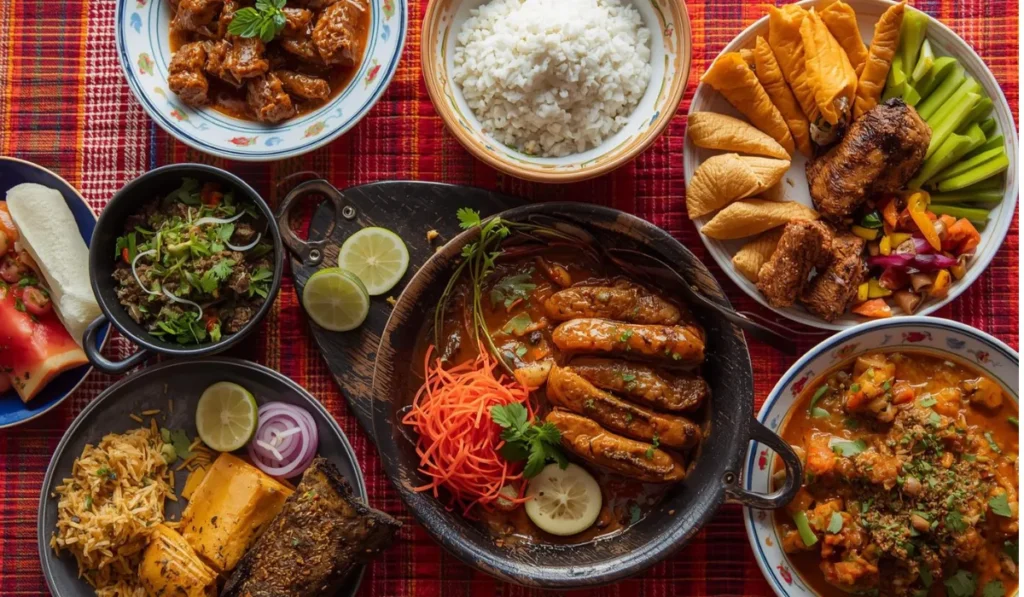
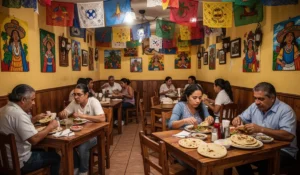
At its core, it is a cuisine of local and simple ingredients, elevated through techniques and combinations passed down through generations. It is not about ostentatious luxury but about honesty, flavor, and community connection. Salvadoran food is experienced in street-side pupuserías, in large family pots during town festivals, and in the daily ritual of sharing a cup of coffee in the afternoon. It represents the resilience, joy, and warmth of the Salvadoran people, serving as a fundamental pillar of their intangible cultural heritage.
Millennial Roots: A Fusion of Cultures
The history of Salvadoran gastronomy is a tale of encounters and adaptations. Its oldest foundation dates back to Mesoamerican indigenous peoples, for whom corn was much more than food; it was a sacred element, the basis of life. Their diet was supplemented with beans, squash (ayote), chilies, tomatoes, cacao, and a variety of tubers like yuca and sweet potato, plus native fruits such as sapote and nance.
- The Spanish Conquest (16th Century): Marked a turning point. The colonizers introduced revolutionary ingredients: domesticated animals (cattle, pigs, sheep, and poultry), dairy products (milk, cheese, butter), new cereals (wheat, rice), and spices. This convergence gave rise to culinary blending. Spanish cheese met indigenous corn dough, and from that union, emblematic dishes would eventually be born.
- Other Influences: Later, waves of migration, especially from Arab communities in the late 19th and early 20th centuries, also left their mark, enriching the cuisine with eggplant-based dishes and other preparations.
The result is a gastronomy where the pre-Hispanic and the colonial merge inseparably, creating a distinct and powerful culinary identity.
Basic Ingredients: The Soul of Salvadoran Cuisine
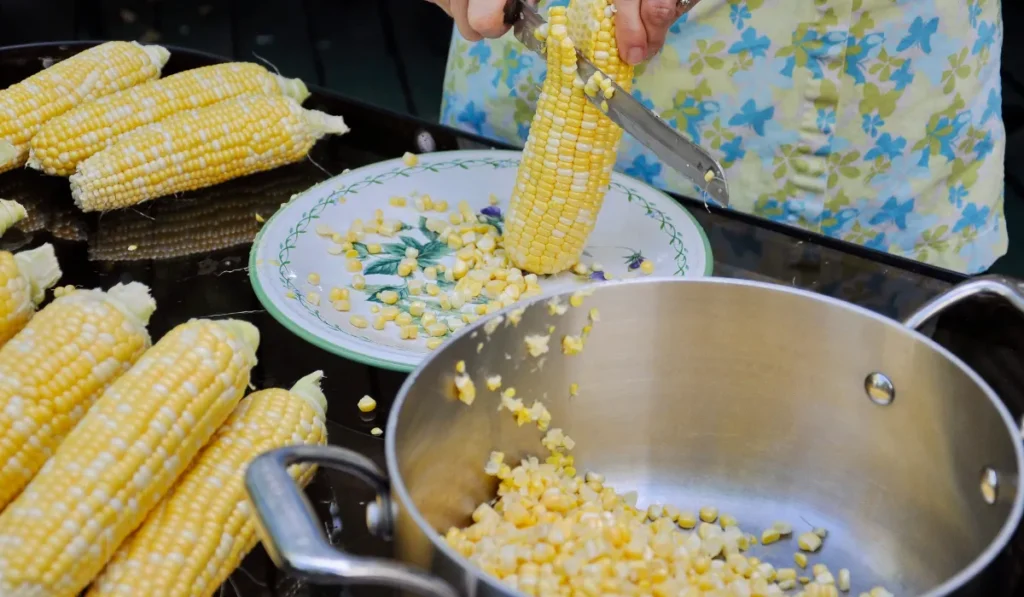
The richness of Salvadoran gastronomy arises from the quality and versatility of its fundamental ingredients, many grown in the country’s fertile lands.
- Corn: The undisputed king. A staple food since pre-Columbian times, it is transformed into dough for tortillas, pupusas, tamales, and atoles. Its versatility is astounding: it is consumed fresh (elote), dried, and ground.
- Beans: Primarily red beans, they are the main source of plant protein and an essential side dish. They are served whole, refried (to fill pupusas or accompany dishes), or in soups.
- Dairy: El Salvador has one of the highest per capita milk consumptions in Latin America. Fresh cheese (like quesillo) is a ubiquitous ingredient in pupusas, riguas, and snacks. Crema (sour cream) is another common accompaniment.
- Native Ingredients: Loroco, a vine flower with a delicate aroma, is a classic and distinctive filling for pupusas and other dishes. Chipilín, an aromatic leaf, is used in tamales and soups. Yuca and plantains are important sources of carbohydrates.
- Meats: Chicken and beef are the most consumed meats, followed by pork, essential for the chicharrón that fills pupusas.
- Coffee: More than an ingredient, it is a product of national pride. Grown in mountainous regions, Salvadoran coffee is world-renowned for its smoothness, balanced body, and sweet, fruity notes.
Table 1: Fundamental Ingredients of Salvadoran Gastronomy
| Ingredient | Primary Form of Use | Cultural Significance |
|---|---|---|
| Corn | Dough for pupusas, tortillas, tamales, atoles. | Staple food since pre-Hispanic times; sacred ingredient. |
| Red Beans | Whole, refried, in soups. | Main source of protein; essential complement to corn. |
| Fresh Cheese | Filling for pupusas, riguas, accompaniment. | Introduced by the Spanish; deeply integrated into blended cuisine. |
| Loroco | Filling for pupusas, in sauces and stews. | Native flower that provides a unique and distinctive flavor and aroma. |
| Plantain/Yuca | Fried, boiled, in soups. | Versatile sources of carbohydrates. |
Pupusas: The National Treasure of El Salvador
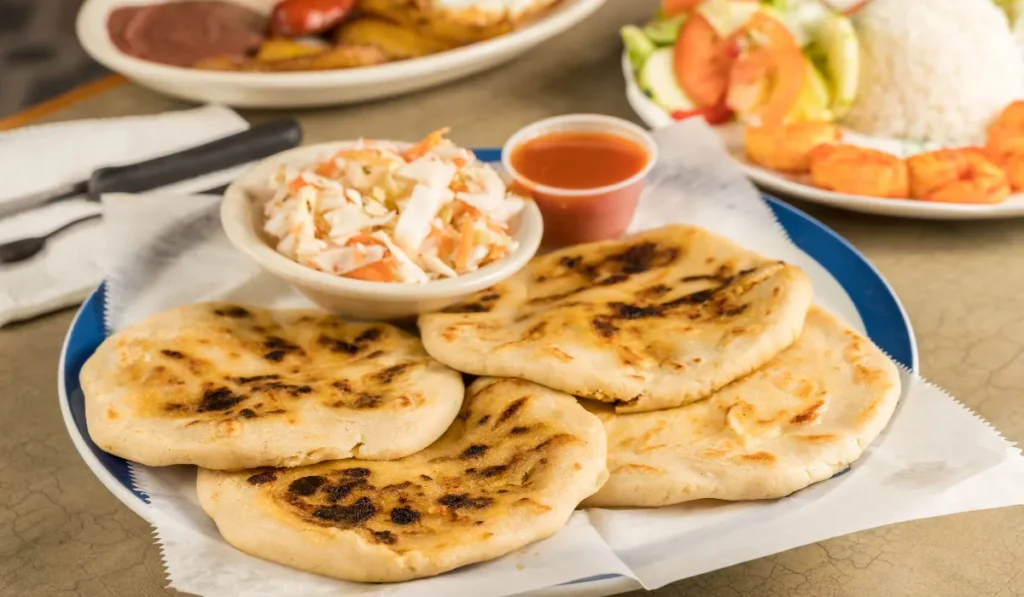
If one dish personifies Salvadoran gastronomy, it is the pupusa. Declared the national dish by legislative decree in 2005, its history is as rich and debated as its flavor. Its origin is debated between indigenous roots (likely Pipil or Maya Quiché) and later blending, where it acquired its current ingredients.
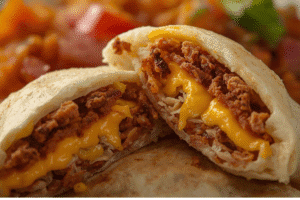
- What is it?: A handmade thick tortilla made of corn masa (or, in the Olocuilta region, rice masa), filled before being cooked on a comal (griddle). The art lies in perfectly sealing the filling inside the dough so it doesn’t escape during cooking.
- Traditional Fillings (and some modern ones):
- Cheese: The classic, often with loroco.
- Chicharrón: Pork cooked and ground into a tasty paste.
- Refried Beans: Alone or mixed with cheese.
- Revuelta: The classic combination of cheese, chicharrón, and beans.
- Modern Variants: Shrimp, spinach, chicken, squash (ayote), or blackberry (mora).
- Essential Accompaniments: They are always served with curtido (a fermented salad of cabbage, carrot, and onion, slightly tangy and sometimes spicy) and natural tomato salsa.
- Pupusa Culture: Pupuserías are omnipresent establishments, and “pupusódromos” are areas with multiple stalls that become social centers. National Pupusa Day is celebrated every second Sunday of November.
Beyond Pupusas: A Feast of Traditional Dishes
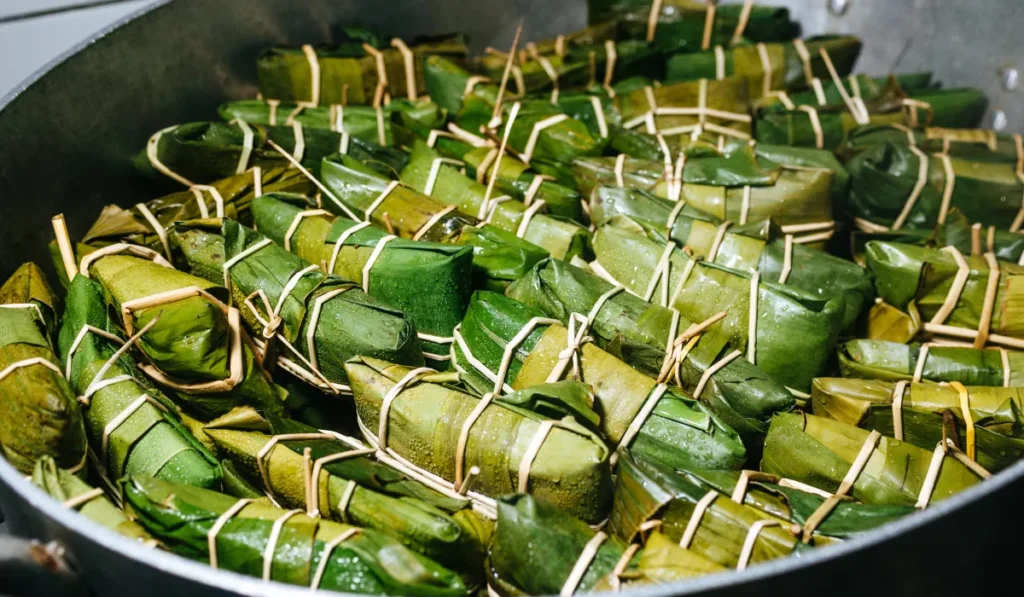
Salvadoran gastronomy offers a much broader universe of flavors. Here are some pillars of its everyday and festive cuisine:
- Tamales: Different from their Mexican cousins, Salvadoran tamales are usually made from strained corn masa, resulting in a moister, softer texture. They can be filled with chicken or pork (wrapped in plantain leaves) or be tamales de elote (sweet, made with fresh corn).
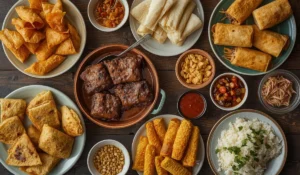
- Fried or Boiled Yuca: Yuca is boiled or fried and typically served with “fritada“ (dotted chicharrón) or small dried fish, accompanied by curtido.
- Sopa de Pata (or Mondongo): A hearty, comforting soup made from beef cow’s feet, vegetables, and spices.
- Panes con Gallina/Pavo (Sandwiches/Breads with Chicken/Turkey): A festive dish, especially for Christmas and Holy Week. It consists of a French bread roll stuffed with a stew of free-range chicken (gallina india) or turkey, accompanied by pickles and mustard.
- Sopa de Gallina India: Made with free-range chicken, it is an aromatic, deep-flavored soup, considered restorative.
- Riguas: Patties made from fresh corn (elote) mixed with beans or cheese, cooked wrapped in a plantain leaf.
Traditional Drinks: The Perfect Complement
Drinks in Salvadoran gastronomy are an integral part of the experience, from breakfast to dinner.
- Salvadoran Coffee: More than a drink, it is a ritual. It is consumed throughout the day, but especially during the “hora del café“ (coffee time) in the afternoon, accompanied by sweet bread or a quesadilla. Regions like Apaneca-Ilamatepec produce specialty beans with fruity and chocolate notes.
- Atoles: Hot, thick, nutritious drinks of pre-Hispanic origin. Atol de elote (sweet and creamy) and atol shuco (made from fermented corn, served savory with beans) are the most representative.
- Aguas Frescas (Fresh Fruit Drinks): Refreshing and colorful. Notable are the Salvadoran horchata (made from morro seeds, rice, sesame, and spices), “fresco de ensalada“ (mixed fruit juice), and fresco de chan (made from chia seeds).
- Iconic Beverages: Kolashanpan, a uniquely flavored orange soda, is a cultural icon.
Sweets and Desserts: The Perfect Finale
Traditional sweets are a delicious chapter of Salvadoran gastronomy, with significant conventual influence.
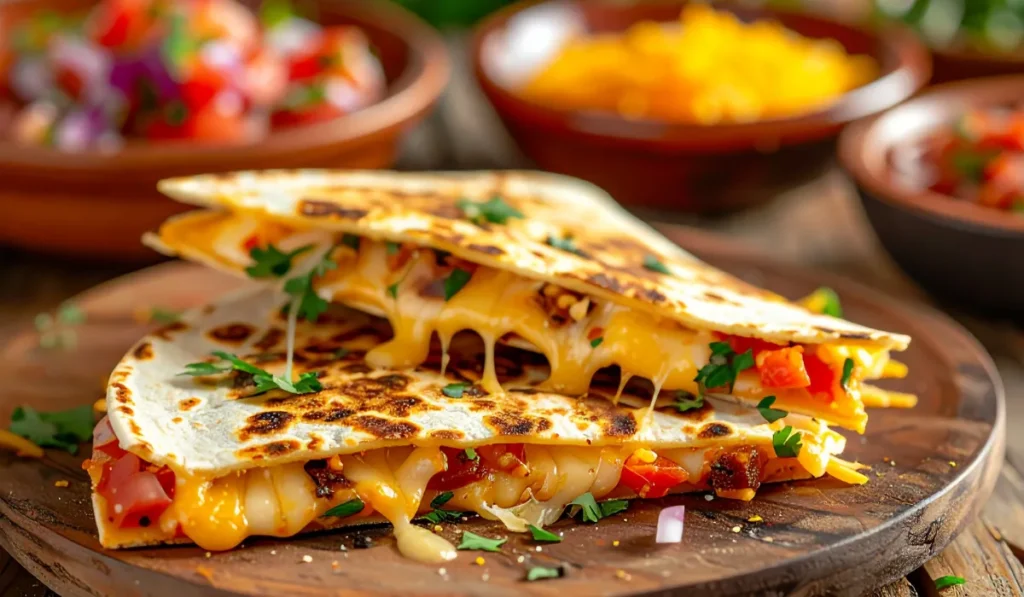
- Salvadoran Quesadilla: It’s not the Mexican one! It is a sweet cake or quick bread made with rice flour (or wheat flour), cheese, cream, and sugar, resulting in a unique sweet-and-salty flavor.
- Semita: A sweet wheat bread with a crunchy layer of bran in the middle, filled with dulce de panela (or pineapple) that melts when baked.
- Nuégados: Fried balls of yuca or dough, drenched in a dark panela (unrefined cane sugar) syrup, typical of the Christmas season.
- Empanadas de Plátano (Plantain Empanadas): Made with ripe plantain dough, they are filled with refried beans or, in their sweet version, with leche poleada (milk thickened with cinnamon).
- Traditional Sweets: Found in market stalls: dulce de leche (milk caramel), cocada (coconut candy), tamarind candy, nance candy, and preserves of various fruits.
Flavors That Unite: Gastronomy in Salvadoran Culture
Food in El Salvador is the social glue. There is no celebration, whether a wedding, baptism, town festival, or Day of the Dead, without an abundant offering of traditional food.
- Christmas: Tables are filled with panes con gallina o pavo, tamales de gallina, and nuégados with syrup.
- Holy Week: Dishes based on fish and seafood are prepared, along with the indispensable panes con gallina. Empanadas de leche poleada are a typical sweet of this season.
- Town Festivals: In every town, local dishes take center stage, and it’s common to find street vendors selling yuca with fritada, atol shuco, and pupusas.
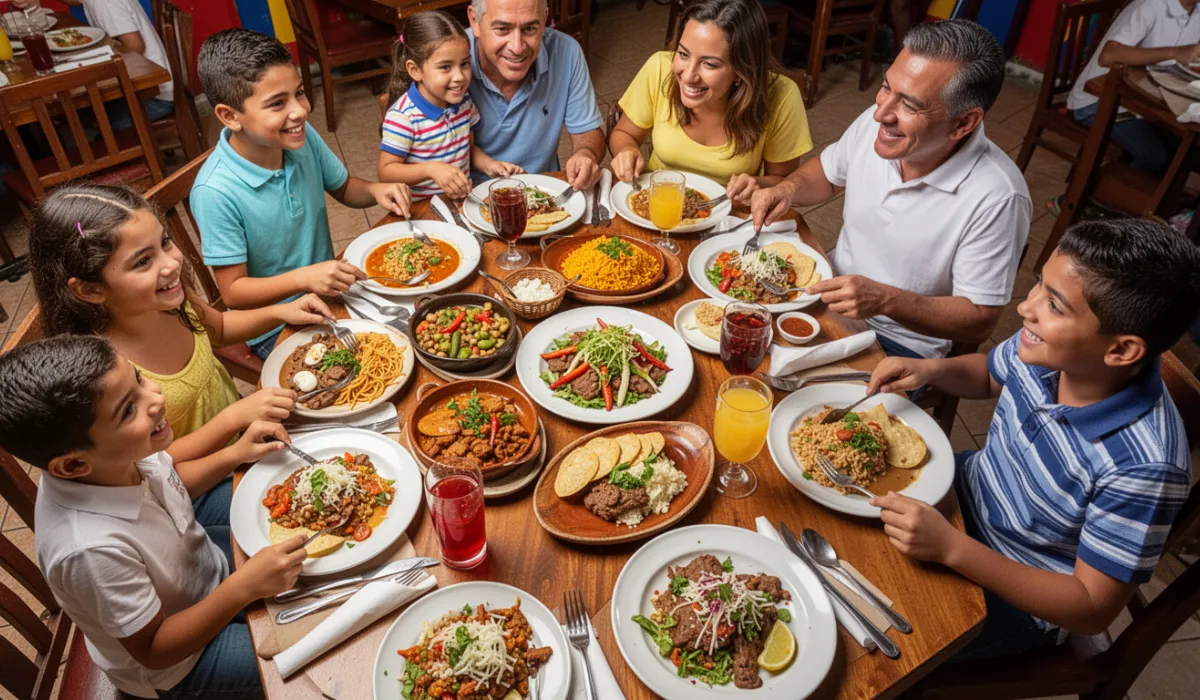
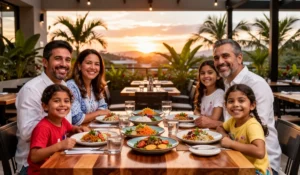
Sharing a meal is an act of familiarity and affection. Salvadoran gastronomy is, in essence, an expression of hospitality and community.
Salvadoran gastronomy Today: Tradition with Innovation
Salvadoran gastronomy is not static. Today, it is experiencing a fascinating moment where chefs and entrepreneurs are revaluing ancestral ingredients and techniques from new perspectives.
- Fine-Dining Cuisine: Restaurants in San Salvador and other cities are presenting reimagined traditional dishes, using modern presentations and innovative combinations, while always respecting the base flavors.
- Specialty Products: Salvadoran specialty coffee, like the Pacamara variety, has gained international prestige. There is also growing interest in native cacao and loroco as gourmet products.
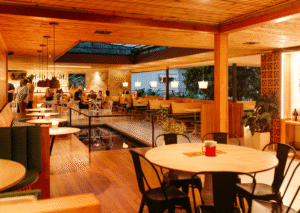
- Gastronomic Entrepreneurship: Pupuserías have evolved, ranging from traditional stalls to contemporary-designed establishments with expanded menus. Salvadoran food is an important economic engine for thousands of families.
The Global Footprint of Salvadoran Gastronomy
Waves of migration, especially during the armed conflict of the 1980s, brought Salvadoran gastronomy all over the world. Today, it is possible to find thriving pupuserías in cities like Los Angeles, Washington D.C., New York, Toronto, Melbourne, and many others.
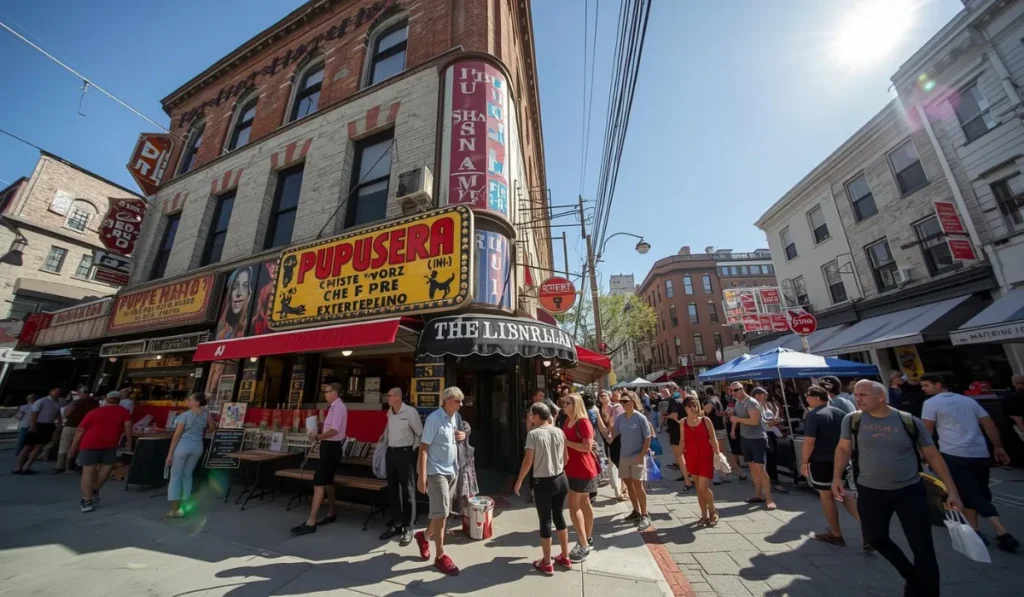
These establishments not only serve the nostalgic diaspora but have managed to captivate a diverse audience, introducing them to El Salvador’s unique flavors. The pupusa, in particular, has become a first-rate culinary ambassador. This global dissemination has generated a renewed pride in the culinary heritage both inside and outside the country, solidifying its place in the international gastronomic landscape.
🚗 How to Make the Most of Your Salvadoran Food Journey
El Salvador may be small, but its culinary treasures are spread across cities, towns, and coastal villages. Relying solely on taxis or buses can limit your experience.
Renting a car gives you full control over your itinerary, allowing you to visit morning markets, traditional restaurants, and scenic spots in a single day.
Carvi offers a modern, 100% online car rental experience with flexible pickup options and no complicated paperwork — perfect for travelers seeking independence and convenience.
➡️ Reserve your car today with Carvi → Travel at your own pace
A Cultural Heritage with Unique Flavor
Salvadoran gastronomy is much more than a list of dishes. It is a living heritage, a language of flavors that narrates the history of a people, its resilience, and its ability to find joy and unity at the shared table.
From the humble yet profound corn to the complexity of a good high-altitude coffee, every element tells part of the story. It is a cuisine that invites you to discover it with your hands (like when eating a pupusa!), to share it in community, and to celebrate the richness born from blending. Tasting Salvadoran gastronomy is, ultimately, understanding the very heart of El Salvador.
Frequently Asked Questions (FAQ) about Salvadoran Gastronomy
What is the most typical dish of El Salvador?
Without a doubt, the pupusa. It was declared the national dish by legislative decree in 2005 and even has a National Day dedicated to it. It is the ultimate gastronomic icon.
What are pupusas served with?
They are always served with two elements: curtido (a slightly tangy and spicy fermented cabbage salad) and natural tomato salsa. Some people also accompany them with Salvadoran crema (sour cream).
Are there vegetarian options in Salvadoran food?
Yes. Many dishes are or can be adapted. Pupusas filled with cheese, beans, loroco, or squash (ayote) are classic vegetarian options. Also tamales de elote (sweet), riguas, empanadas de plátano with beans or milk, and a wide variety of vegetable soups and stews.
How can I have an authentic Salvadoran gastronomy experience today?
The most direct way is by visiting a local pupusería, where the atmosphere and aromas are part of the experience. For a deeper immersion, you can explore traditional markets or, if in El Salvador, visit a “pupusódromo“.
Exploring Salvadoran gastronomy is more than just tasting food — it’s about immersing yourself in culture, traditions, and local communities. To enjoy every stop without worrying about transportation, renting a car is the best solution.
With Carvi, you can book your vehicle online in minutes and focus entirely on enjoying the rich flavors of El Salvador.
To continue exploring recipes and stories behind the dishes, you can visit specialized blogs like Salvadoreñan Food, where you’ll find detailed guides and passion for this rich culinary tradition.
🍽️ Start your Salvadoran food adventure — Rent with Carvi now
Share this content:
Post Comment