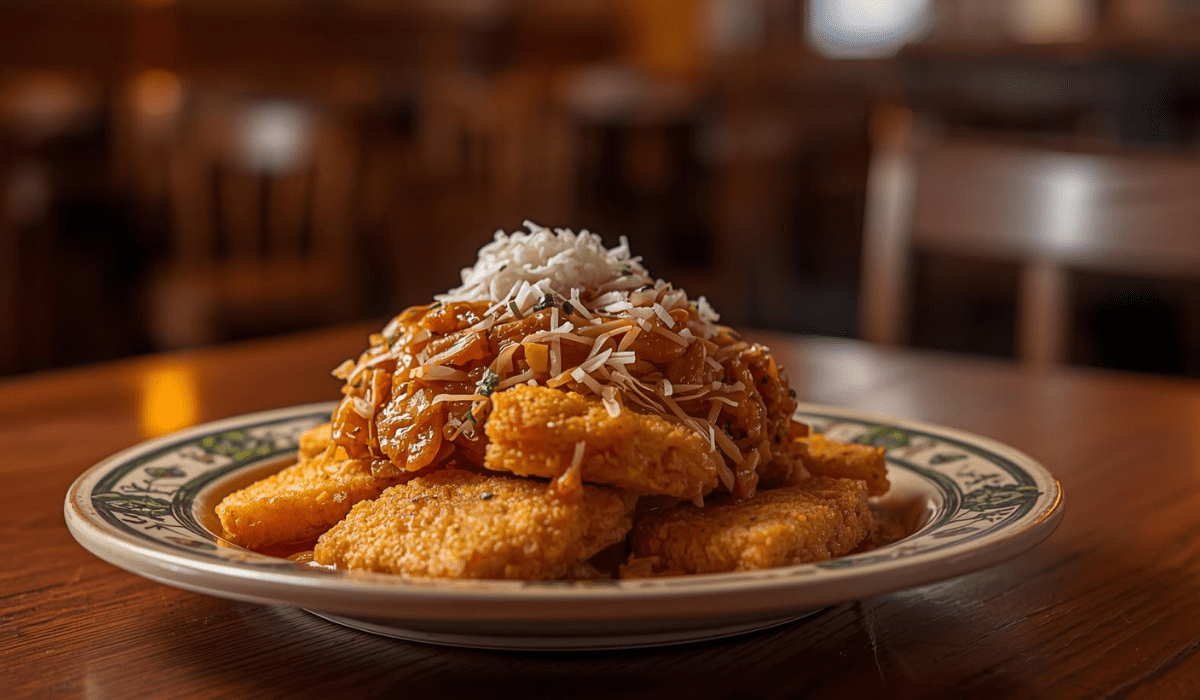
Salvadoran Author Cuisine is much more than a gastronomic trend; it is a cultural movement that is rewriting, with spoon and pan, the culinary identity of a country. This phenomenon goes beyond serving beautiful dishes in luxury restaurants. It is a deep reflection, an audacious reinterpretation, and an act of love towards Salvadoran heritage, where the chef’s creativity dialogues with centuries of tradition to tell new stories about El Salvador.
This current represents the peak of a natural evolution. Salvadoran cuisine has always been a melting pot, defined by a mestizaje that began with the indigenous base of corn, beans, and cocoa, was enriched with Spanish contributions, and later with influences from Arab, Italian, and other migrants. Today, Salvadoran Author Cuisine is the next stage: a conscious and creative evolution that does not forget its roots, but examines, questions, and celebrates them from a contemporary perspective.
🍷 Discover Salvadoran Author Cuisine like never before!
Explore the best restaurants and culinary spaces across San Salvador and beyond.
🚗 Rent a car with Carvi and move freely between top culinary destinations — no need to rely on taxis or public transport.
👉 Reserve your vehicle now and plan your gourmet route
The Philosophy: Beyond the Recipe
In essence, Salvadoran Author Cuisine is defined by a philosophy that prioritizes the chef’s personal vision over strict replication. While traditional cuisine seeks to preserve and transmit unaltered recipes, often linked to cultural rituals and symbols, author cuisine is based on individual creativity and constant innovation.
Its goal is not to replace the traditional, but to start a conversation with it. It is a multisensory experience where artistic plating, the narrative behind the ingredient, and the emotion it evokes are as important as the flavor itself. This cuisine asks questions: What more can we do with loroco? How to tell the story of Salvadoran coffee in a dessert? How would a pupusa feel in a completely new texture?
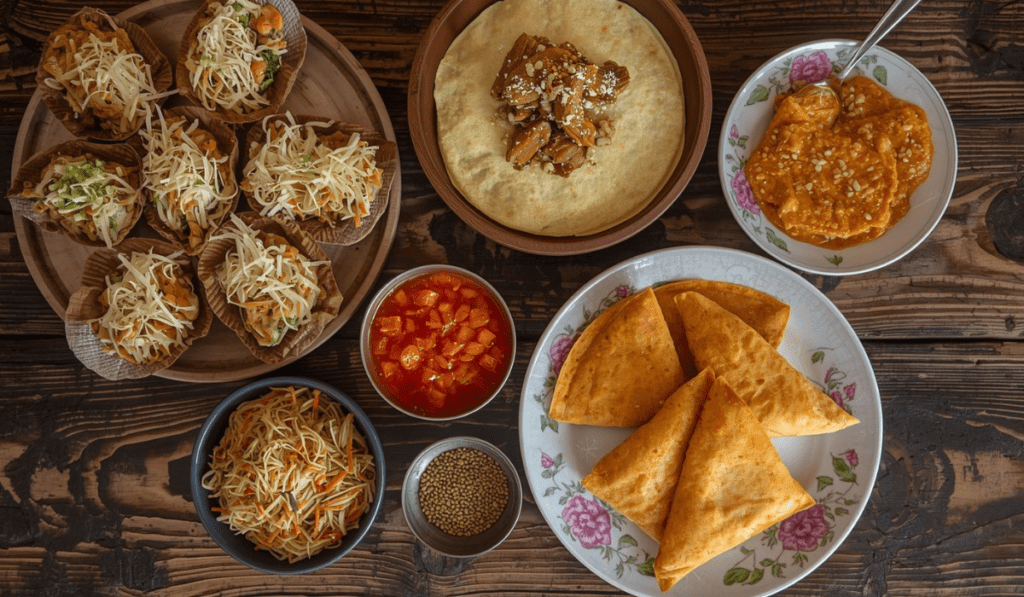
From Tradition to Transformation: Techniques and Approach
To achieve this reinterpretation, chefs employ an arsenal of modern techniques, many of them global, applied ingeniously to the local pantry.
| Culinary Technique | Description | Application in Salvadoran Author Cuisine |
|---|---|---|
| Deconstruction | Breaking down an iconic dish into its basic elements to present them in a new way. | Reimagining a pupusa: the masa can be a crisp, the curtido (pickled cabbage) an acidic foam, and the cheese a reduced sauce. |
| Sous-vide | Cooking vacuum-sealed ingredients at a controlled temperature. | Achieving perfect tenderness for a modern “relleno” (stuffed meat) or cooking local fish preserving all its juice and flavor. |
| Fermentation | Using microorganisms to transform flavors and textures. | Creating fermented loroco for cocktails or a chilate sauce with complex depth. |
| Texturization & Foams | Transforming liquids into air or creating gels and spheres. | Making a light “bean foam” or presenting atol shuco (a corn-based drink) as a sphere that bursts in the mouth. |
| Conceptual Plating | Designing the presentation as an integral part of the dish’s story. | Using tableware reminiscent of local craftsmanship or arranging elements to evoke a Salvadoran landscape. |
This technical approach is always in service of a product-driven cuisine. Author chefs act as researchers and promoters of native ingredients, rescuing corn varieties, exploring forgotten herbs, and establishing direct relationships with farmers and fishermen. Sustainability and “zero-kilometer” sourcing are not fads, but ethical principles of this movement.
Protagonists and Proposals: The Face of the Movement
Salvadoran Author Cuisine has first and last names. These are chefs who, from different trenches, are defining its course.
- Gracia and El Xolo: The Narrative Vanguard: Chefs Gracia María Navarro and Alexander Herrera are central figures. With El Xolo, located in the National Museum of Anthropology, they put El Salvador on the map of Latin America’s 50 Best Restaurants. Their cooking is an emotional journey through memory and territory. Their new project, Gracia, deepens this search, describing itself as a “ritual” that pays homage to feminine energy and Asian-Latin mestizo cuisine, always with a Salvadoran base.
- Frito: Authorship in the Everyday: Chef Erick Alfaro represents another vital facet. At his restaurant Frito, he takes a symbol of global fast food—fried chicken—and transforms it with an author’s perspective. He uses fresh ingredients, homemade sauces, and infinite curiosity, demonstrating that author cuisine is not synonymous with fine dining, but with authenticity and extreme care, even in the seemingly simple. His ever-changing menu is a manifesto of creativity applied to popular food.
- Collaboration and Community: Initiatives like Michelarte: The movement is also strengthened through collective projects. Initiatives like Michelarte, which brought together six San Salvador restaurants to create special micheladas and dishes, show how author cuisine can be an engine for the local economy, creative collaboration, and cultural promotion.
“Just because it’s fast food doesn’t mean it has to be bad” – Erick Alfaro, chef of Frito. This phrase captures the democratizing essence of part of the movement: the search for excellence and authenticity in all strata of the gastronomic experience.
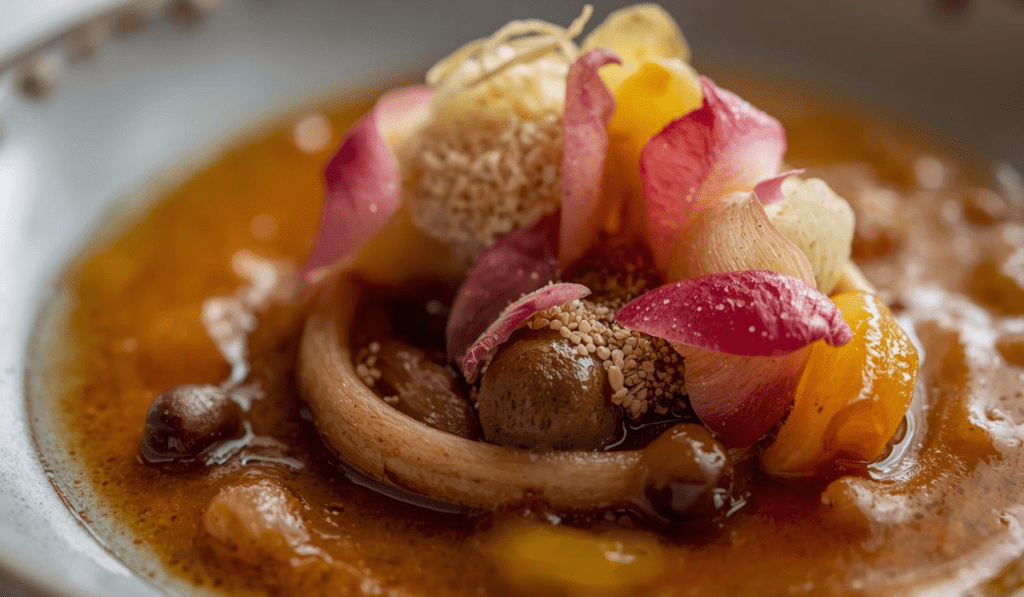
📍 Many of these author cuisine restaurants are located in different areas of the city.
🚘 Renting a car allows you to enjoy a true culinary tour at your own pace.
👉 Book easily with Carvi here
The Flavor of Innovation: Reinterpreting the Iconic
The true test of Salvadoran Author Cuisine is how it approaches the pillars of tradition. Here are some conceptual examples:
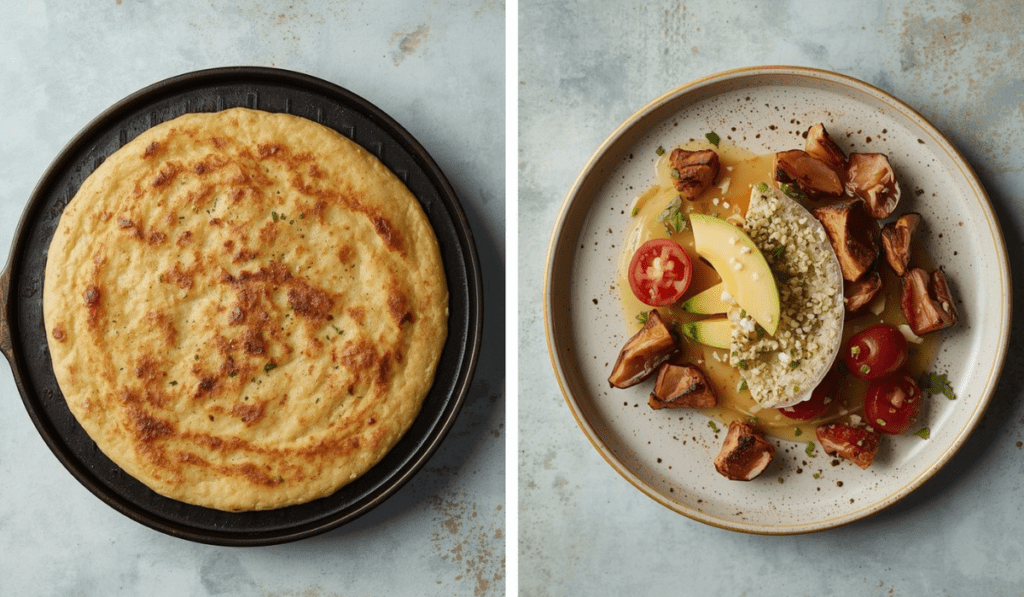
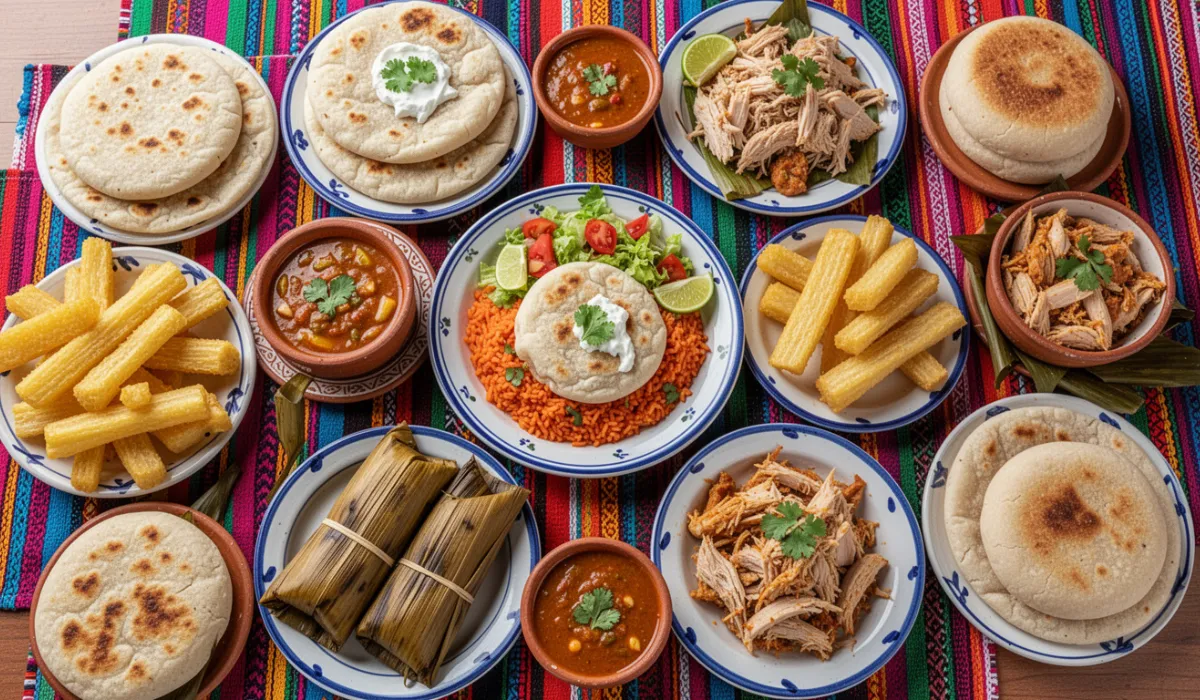
- The Deconstructed Pupusa: The national food par excellence becomes a playground. A chef might serve the masa as a crispy tile, the bean filling as a silky purée, the loroco as an essence in the air, and the curtido as an acidic sorbet or spherification. All the flavors are recognizable, but the experience is completely novel.
- The Flavors of the Land in the Sea: A crudo or ceviche can stop being just “fish with lime” to become a map of Salvadoran flavors. Fish from the Pacific coast could be marinated with coffee ferment, accompanied by loroco “seaweed,” and topped with a powder of toasted alguashte (ground pumpkin seed), integrating the characteristic bitter and earthy flavors.
- Desserts with History: A dessert can tell the country’s economic history. Panela ice cream (a raw cane sugar that was historically more accessible than refined sugar) with a crispy corn tuile and a foam of national cocoa is not just sweet; it is a tale about cultivation, trade, and tradition.
Challenges and Future: Consolidating a New Identity
The path is not without obstacles. Educating a palate accustomed to the powerful nostalgia of traditional flavors requires patience. Consistent access to high-quality local ingredients and building fair supply chains are daily logistical challenges. Furthermore, there is the delicate tension of innovating without falling into pretentiousness, always maintaining respect for the essence.
However, the future is promising. Salvadoran Author Cuisine has awakened a new culinary pride, attracting the attention of international media and food travelers. Its greatest achievement is having started a national conversation about the value of its own pantry and traditions.
The key to its long-term success lies in its authenticity. It is not about copying trends from Paris or Lima, but about creating its own solid language, a culinary voice that can only come from El Salvador. Every dish born in these kitchens is an invitation to rediscover a country: its fertile land, its complex history, and its infinite potential, served in an experience that delights, surprises, and, above all, instills pride. Salvadoran Author Cuisine is, in short, the rebirth of a national flavor with global ambition.
Salvadoran author cuisine is creativity, identity, and experience in every dish.
🚘 Discover the restaurants redefining Salvadoran gastronomy with freedom and comfort — rent a car with Carvi today and create your own culinary route.
Share this content:
Post Comment