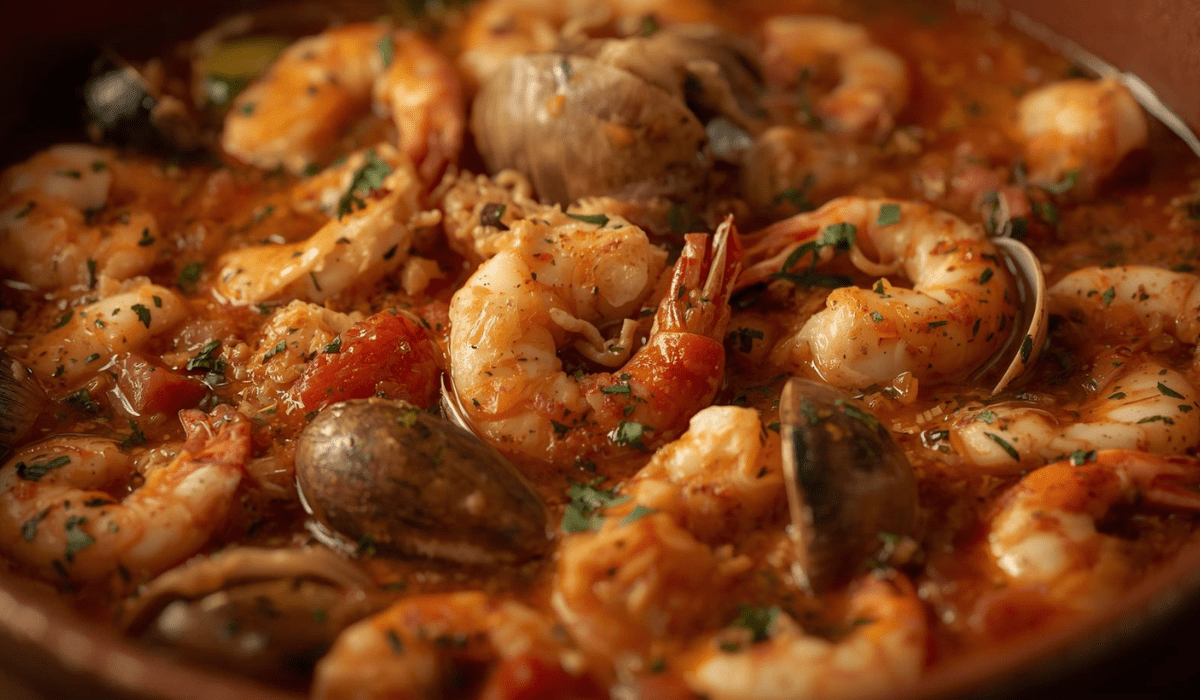
Salvadoran seafood soup is much more than a dish; it is a culinary narrative of the country, a festive tribute to its Pacific coast that encapsulates history, community, and the deep knowledge of its cooks. This exhaustive guide will not only walk you through the recipe step-by-step but will also unravel its essence, so you understand the “why” behind each “how,” transforming the preparation into an authentic cultural experience.
🌊 Want to taste authentic Salvadoran seafood soup by the ocean?
The best versions of this dish are found near the coast, where seafood is freshly caught every morning.
🚗 Rent a car with Carvi and drive comfortably to El Salvador’s top beach destinations to enjoy it at its freshest.
👉 Reserve your vehicle now and start your coastal food adventure
Roots and Identity: The History on the Plate
El Salvador’s relationship with the sea, despite its short coastline, is intense and defines much of its coastal identity. Salvadoran seafood soup does not have an exact date of invention; it is the evolutionary result of necessity, availability, and fusion.
- Humble Origin, Enhanced Flavor: It was born in fishing communities, where families used the “catch of the day”—those smaller or more varied specimens not destined for the market—to create a hearty meal. Nothing was wasted: shrimp heads and shells were boiled to extract every last drop of umami flavor.
- A Broth of Influences: Its base is pre-Columbian (the use of corn, tomato, and in some ancient versions, cocoa), but it was enriched with the onion, garlic, and sofrito techniques brought by the Spanish. The dairy or coconut touch, though not universal, reflects regional creativity to soften and enrich.
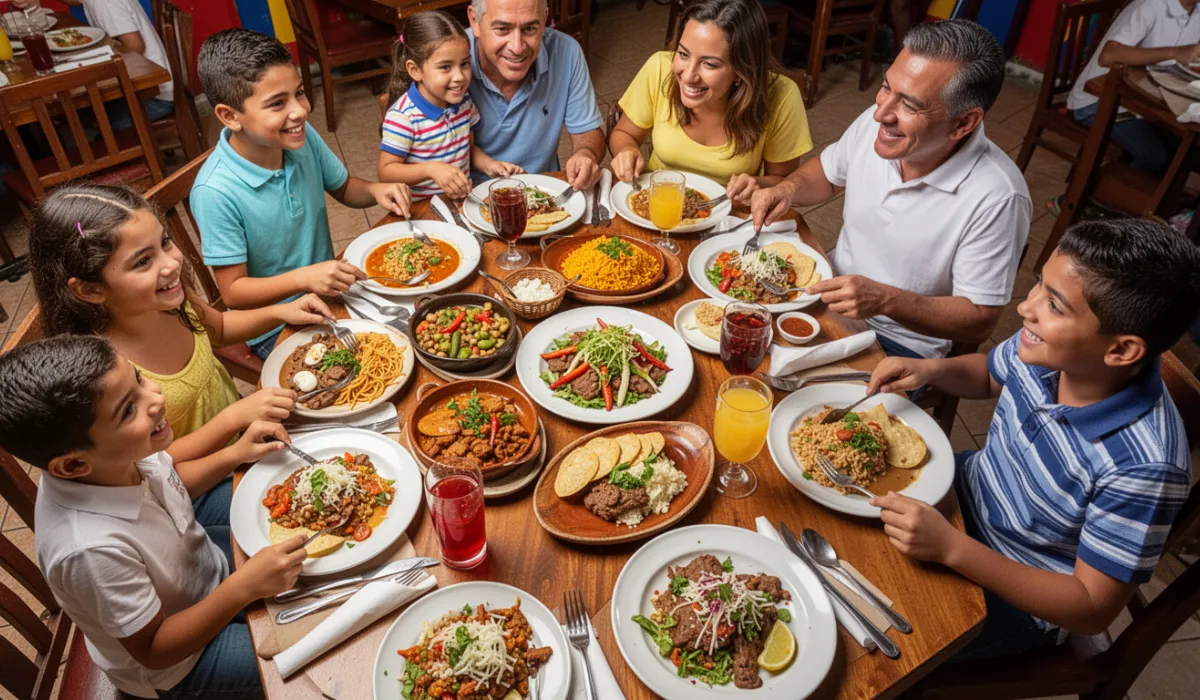
- Symbol of Celebration: Over time, this everyday working-class dish rose to become the undisputed center of Sunday family gatherings, patron saint festivals, and celebrations. Its abundance symbolizes prosperity and generosity.

Flavor Philosophy: The Fundamental Pillars
Authenticity does not lie in a strict list of ingredients, but in respecting three fundamental pillars that interact:
- The Imperative of Freshness: The flavor of “clean sea” is paramount. Seafood should smell like sea breeze, not ammonia. In El Salvador, it is common to buy them live or freshly headed on the beaches.
- The Complexity of the Broth (The “Fondo”): It is the soul of the dish. A good broth is not just flavored water; it is an emulsion where fats, collagen from shells, and juices from vegetables have dissolved, achieving a silky body and a layered flavor.
- The Balance of Textures: Each type of seafood provides a distinct oral experience: the firmness of octopus, the soft crunch of squid, the juicy burst of shrimp, the delicacy of fish. A good bite should offer this symphony.
The Ingredient Map: Beyond the List
Let’s delve deeper into each component and its sensory and cultural role.
The Seafood: The Hierarchy
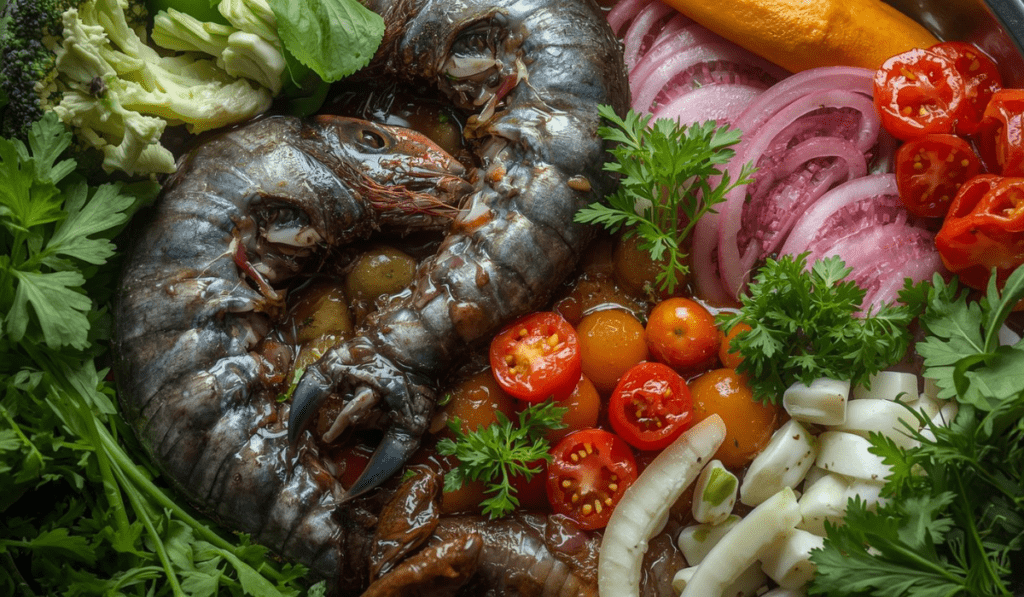
- Shrimp (with heads): Non-negotiable. The heads contain the hepatopancreas, the gland that stores the essence of umami flavor. Peel them, but save the heads and shells for the broth.
- Firm-Fleshed Fish: Corvina, snapper, or grouper. Added in large pieces so it doesn’t fall apart. Some families put a whole fish head in to gelify the broth.
- Mollusks and Cephalopods: Clams, mussels (they provide a wonderful saline juice), octopus (requires slow cooking to tenderize), and squid.
- Crustaceans: Crab or “jaiba.” They are split alive or boiled whole to later be broken apart and their meat added at the end. They provide an incomparable sweetness.
The Sofrito: The Aromatic Heart
This is not just a step; it is the foundation of flavor. It should be cooked over medium-low heat until the ingredients “sweat” and do not burn:
- Achiote (Annatto): Provides a characteristic golden-orange color and an earthy, slightly sweet flavor. Used as a paste or seeds infused in oil.
- The “Bonfire” of Herbs: Cilantro (stems included, which have more flavor), onion, garlic, green chili (like “guaque,” for a mild, aromatic heat), bell pepper, and tomato.
- The Salvadoran “Musk”: Loroco, a native Central American flower, is the quintessential aroma. Added fresh or pickled at the end, providing a floral, slightly vegetal, and unmistakable note.
The Body and Substance
- Supporting Vegetables: Yuca, elote (tender corn on the cob), green guineo (green plantain, which provides starch and body), chayote, and carrot.
- Traditional Thickeners: Many family recipes use a mash of cooked corn or a small amount of dissolved nixtamalized corn dough (masa), naturally binding the broth and adding a corn flavor.
Detailed Methodology: The Science of Patience
This is the precise choreography that transforms ingredients into culinary art.
Phase 1: Building the Broth (45-60 min)
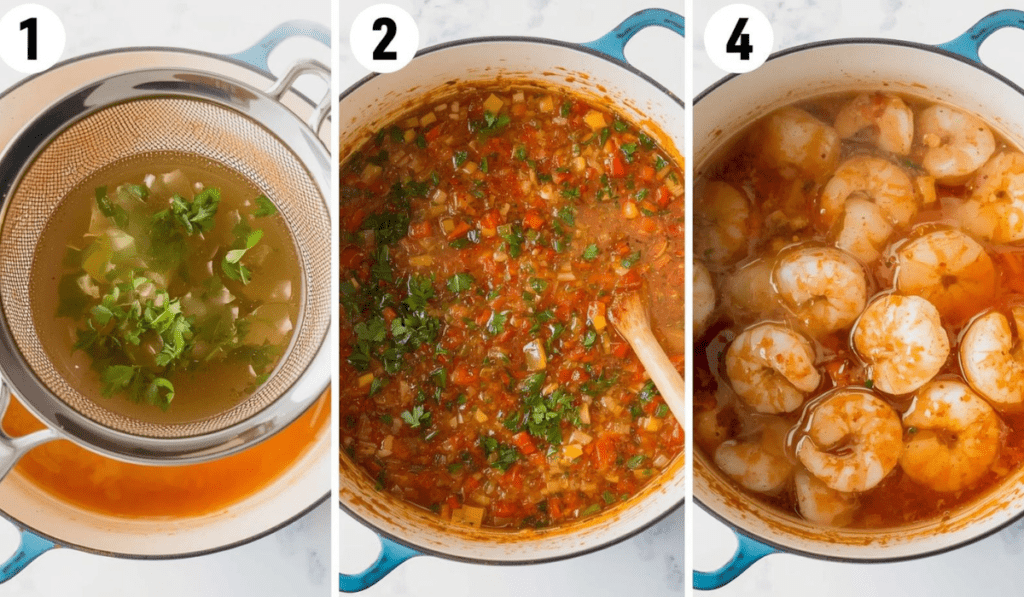
- In a large pot, sauté the shrimp heads and shells in oil until they turn red and brown slightly. This step caramelizes sugars and proteins, developing a deep flavor (Maillard reaction).
- Add enough cold water (never hot, to extract flavors slowly) and bring to a gentle simmer. Skim off any impurities that rise during the first few minutes.
- Add the fish bones and head (if you have them), a piece of onion, a few garlic cloves, and cilantro stems. Simmer, partially covered, for at least 40 minutes. The broth should reduce and concentrate.
- Strain forcefully using a fine-mesh strainer or cheesecloth. Squeeze the solids well to extract all the juice. This golden, fragrant liquid is your “liquid gold.” Discard the strained solids.
Phase 2: The Sophisticated Assembly (30-40 min)
- In the main pot, prepare the aromatic sofrito with achiote, onion, garlic, bell pepper, tomato, and chili. Cook until the tomatoes break down.
- Pour the concentrated seafood broth over the sofrito. Increase the heat to combine.
- Add the hardest vegetables first (yuca, green plantain). After 10 minutes, add the more tender ones (corn, chayote, carrot). Season with salt.
- Staged Cooking of the Seafood:
- Minute 0: Add the octopus (if not pre-cooked) and the fish in large pieces.
- Minute 10: Add the squid rings and the crab.
- Minute 15: Add the clams/mussels and the peeled shrimp.
- Minute 18 (or when the clams open): Turn off the heat. The residual heat will finish cooking the shrimp without making them rubbery.
- Final Touches: Just before serving, incorporate the chopped cilantro, loroco, and, if using, the cream or coconut milk. Never boil the soup after adding the dairy.
The Geography of Flavor: Regional Variations
Salvadoran seafood soup has distinctive accents depending on the region:
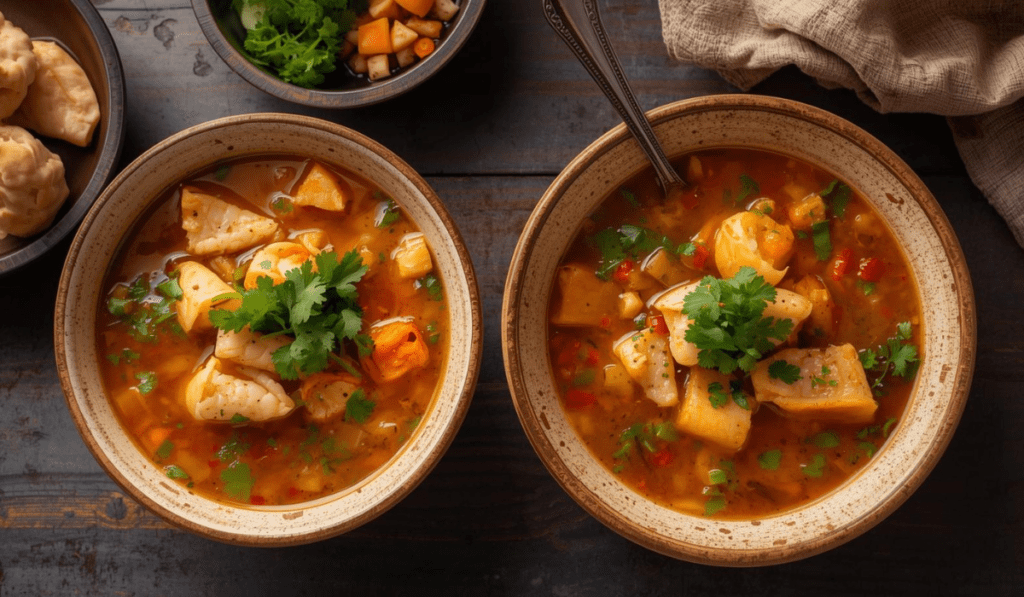
- Central Coast (La Libertad): The most emblematic and abundant version. Emphasis is on the use of whole fish, crab, and a very concentrated broth. Often served in a clay casserole.
- Eastern Zone (Usulután, La Unión): The use of coconut milk is more common, an influence from Gulf cuisine. The broth is sweeter and creamier. It may also include more yuca.
- Inland Country (Adaptation): Where freshness is a challenge, the use of powdered seafood cream (like the well-known “Cocktail de Camarón” brand) was perfected to enhance flavor, along with local vegetables. It is a more accessible but equally beloved version.
🚗 Where to Try the Best Salvadoran Seafood Soup
If you want the full experience, consider visiting:
- Beachfront restaurants in La Libertad
- Coastal towns like El Tunco or El Zonte
- Local seafood markets near the Pacific
Exploring multiple coastal destinations in one trip is much easier with your own transportation.
🚗 With Carvi, you can rent a car in minutes and design your own seafood road trip across El Salvador’s coastline.
👉 Reserve your car now and enjoy total freedom
The Service Ceremony: Eating with the Senses
Serving Salvadoran seafood soup is a ritual:
- Tableware: Ideally in deep clay bowls, which retain heat and add an earthy note.
- Mandatory Accompaniments:
- Lemon: Its acidity cuts through the richness and enhances the flavors of the sea.
- Chilate or Chili Sauce: A spicy sauce based on chilies (like chiltepe) and tomato to adjust the heat to taste.
- Tortillas or “Picaditas”: Freshly made corn tortillas, fried until crispy (“picaditas”), for dipping in the broth.
- White Rice: Serves as a hearty and neutral base.
- How to Eat It: First, savor the broth. Then, use your hands to extract the meat from the crab and flake the fish. It is a dish to be eaten slowly, sharing and enjoying each texture.
Deep Technical Questions (Expanded FAQ)
- How do you make the octopus tender and not rubbery? Freezing and thawing it breaks its fibers. Cook it over very low heat in the broth alone, before anything else, for 45-60 min, or until a fork pierces it easily. Then remove it and add it back at the end just to heat through.
- My broth turned out cloudy or bitter. What happened? Cloudiness is usually due to too violent a boil that emulsifies impurities. Bitterness comes from burning the sofrito or shrimp shells. The key is medium-low heat and patience.
- Can it be made in advance? Yes, but with strategy. Prepare the broth base and the sofrito separately. One day before, cook the hard vegetables in the broth. Store everything separately. On the day of serving, combine everything, heat, and add the fresh seafood at the last moment. Overcooked seafood is ruined.
- Alternatives for loroco outside of Central America? It is irreplaceable, but a distant substitute could be a mix of finely chopped baby spinach (for color) with a pinch of fresh fennel (for the aniseed touch).
Salvadoran seafood soup is a journey. A journey that starts in the waters of the Pacific, passes through the slow fire of a kitchen, and ends in the affective memory of whoever tastes it. By preparing it, you are not just following a recipe; you are keeping alive a centuries-old tradition of resourcefulness, celebration, and love for deep, honest flavors. It is the star dish of Salvadoran cuisine for a reason: in every spoonful, a piece of its coast and its heart is served.
Salvadoran seafood soup is more than a dish — it’s a coastal experience filled with fresh flavors and ocean views.
🌴 If you’re ready to explore the beaches and discover where this soup tastes best, travel with freedom and comfort.
🚗 Book your car with Carvi today and create your own Salvadoran seafood journey
Share this content:


Post Comment