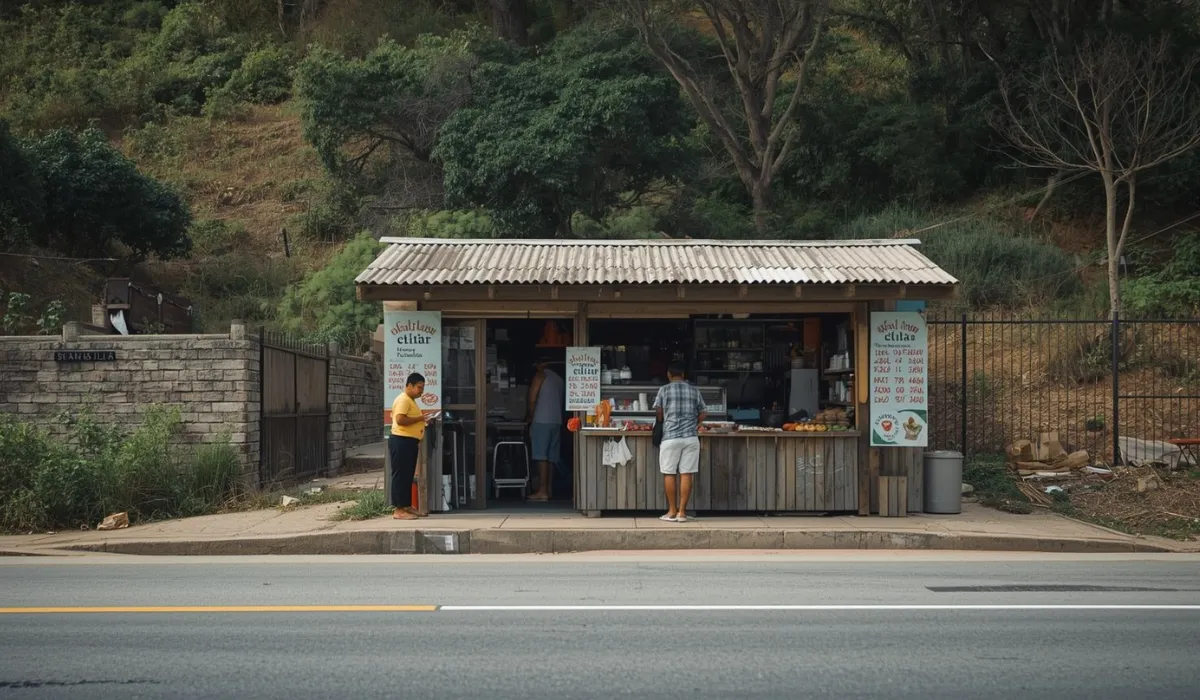
- What is Salvadoran Road Food and Why is it So Popular?
- The Most Traditional Salvadoran Road Food Dishes
- Where to Find the Best Salvadoran Road Food
- Salvadoran Road Food on the Route to El Salvador's Beaches
- Salvadoran Road Food on Routes to Towns and Tourist Destinations
- How to Get Around El Salvador to Enjoy the Best Salvadoran Road Food
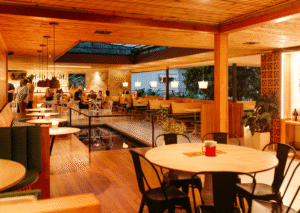
- Roadside Stalls vs. Restaurants: Where to Eat Salvadoran Road Food?
- Average Prices of Salvadoran Road Food
- Tips for Enjoying Salvadoran Road Food Safely
- Salvadoran Road Food Recommended for Foreign Tourists
- Ideal Times to Find Salvadoran Road Food
- Why Salvadoran Road Food is Part of the Country's Culture
- Frequently Asked Questions about Salvadoran Road Food (FAQ)
- Conclusion: Experience El Salvador Through Its Road Food
For Salvadorans, the true essence of their cuisine isn’t found just in restaurants, but in the smoke from street stalls, the sound of corn being kneaded, and the ritual of stopping on the highway for a quick, tasty, and history-filled bite. Exploring Salvadoran road food is the most authentic way to connect with the beating heart of the country. More than just a quick meal stop, it is an immersive cultural experience that lets you taste tradition, hospitality, and rich culinary heritage in its purest state.
What is Salvadoran Road Food and Why is it So Popular?
Salvadoran road food refers to the gastronomic experience found at street stalls, markets, “pupusódromos” (clusters of pupusa stands), and informal roadside vendors along highways and in towns. It is cuisine in its most democratic and vibrant expression.
Its immense popularity stems from several factors. It is accessible and affordable, allowing everyone to enjoy delicious dishes. It is authentic, preserving recipes and techniques passed down through generations. It is communal, acting as a social gathering point. Finally, it is profoundly cultural, representing the country’s mestizo identity, where pre-Hispanic ingredients like corn fused with products brought by the Spanish.
The Most Traditional Salvadoran Road Food Dishes
Pupusas: The Icon of Salvadoran Road Food
Declared the national dish in 2005, pupusas are the soul of Salvadoran cuisine. They are thick tortillas made from corn or rice dough, filled and cooked on a comal (griddle). Their origin is Mesoamerican, with claims from El Salvador, Honduras, and Guatemala.
The classic varieties you must try are:
- Revuelta: The supreme combination of cheese, refried beans, and chicharrón (seasoned ground pork).
- Queso con loroco: Melted cheese with loroco, a local flower with a delicate flavor.
- Chicharrón: Seasoned ground pork.
- Frijol con queso: A delicious and often vegetarian option.
A fascinating fact is that the rice pupusa, with its unique texture, originated and holds a Geographical Indication in the municipality of Olocuilta, in the department of La Paz. They are always served with curtido (a fermented cabbage and vegetable slaw in vinegar) and a mild, blended tomato salsa.
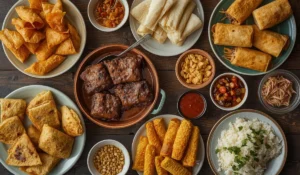
Fried Yuca with Chicharrón
This dish is a feast of textures and flavors. It consists of yuca (cassava) fried until golden on the outside and soft inside, served with crispy chunks of chicharrón (fried pork skin, sometimes with meat). It is traditionally accompanied by a chimol or fresh salad of cabbage, tomato, onion, and cilantro, which cuts through the richness. It’s a hearty and very popular meal, especially at specialized stands and market stalls.
Crazy Corn (Elotes Locos) and Grilled Corn
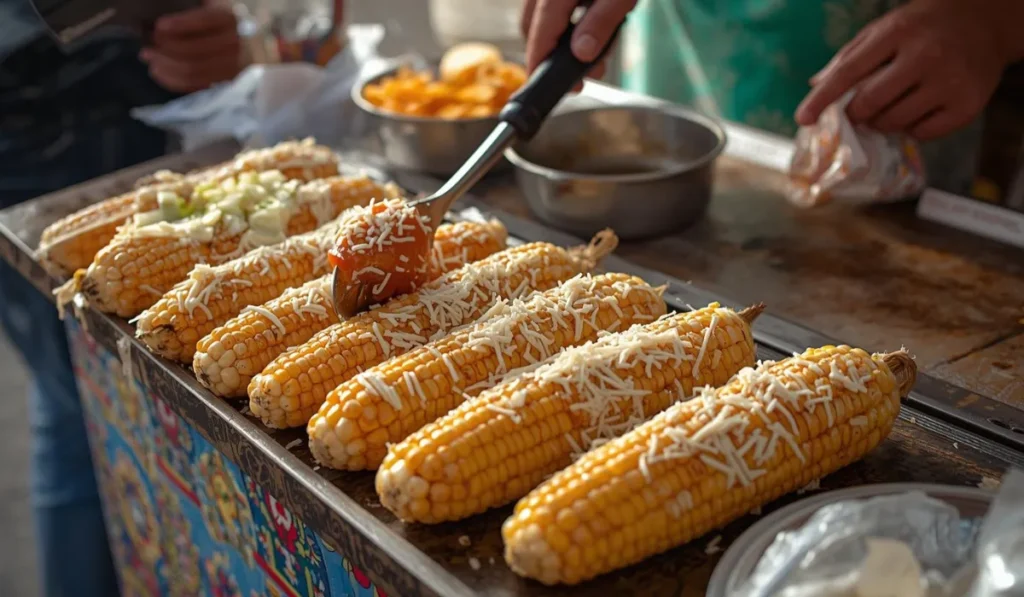
Tender corn, or elote, is the base for this classic of festive street food. Elote loco is a boiled or grilled cob that becomes a canvas of flavors: slathered with mayonnaise, adorned with ketchup, mustard, grated cheese, hot sauce, and sometimes even cream. It’s a fun, messy, and delicious experience, common at fairs and street stalls. The grilled version, cooked directly over coals in its husk, offers a more natural smoky flavor and is usually accompanied just with lime and salt.
Fried Plantain Empanadas
Unlike wheat-flour empanadas, Salvadoran ones have a sweet shell made from mashed ripe plantain and fried. This sweet outer layer contrasts wonderfully with traditionally sweet or savory fillings. The most common filling is lechecilla or atado de dulce de leche (a thick, cinnamon-spiced milk custard), though they are also found filled with refried beans. They are the perfect afternoon snack.
Typical Salvadoran Tamales
Salvadoran tamales are distinguished by their unique aroma and flavor, thanks to being wrapped and steamed in banana leaves (not corn husks). The dough, made from nixtamalized corn, is usually softer and moister, and is filled with chicken, pork, or a vegetarian version with beans (called “tamal pisque”). Tamal preparation is a family and community event, especially during holidays. Finding them fresh at a roadside stand in the morning is a true privilege.
Where to Find the Best Salvadoran Road Food
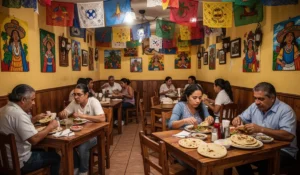
The magic lies in places where locals gather. The “pupusódromos“ (concentrations of several pupusa stands) are destinations in themselves. Municipal markets, like San Salvador’s Central Market, house legendary stalls. On the shoulders of main highways and at the entrances to towns, you will always find vendors. In cities, follow the flow of people at lunch or dinner time towards the stalls with the most customers; it’s the best guarantee of freshness and flavor.
7 Must-Visit Spots in San Salvador (According to Locals)
To start your adventure, this table summarizes some of the most praised stalls in the capital:
| Stall Name | Main Specialty | Approximate Location | Price Reference |
|---|---|---|---|
| Las Delicias de Mi Pueblo | Unbeatable rice pupusas | Opposite the Central Market, Av. Cuscatlán | $0.75 – $1.00 per pupusa |
| El Rinconcito de la Abuela | Turkey sandwich (Pan con Pavo), Fried Yuca | Calle Arce y 15 Av. Norte, Zona Rosa | ~$7.00 for a turkey sandwich |
| Sabor Costeño | Shrimp and shellfish cocktails (cocteles) | Avenida Olímpica, near the Cuscatlán Stadium | ~$10.00 for a medium cocktail |
| Los Patitos | Garnachas and meat pastelitos | Exit to Santa Tecla, Bv. de los Héroes | From $2.00 for a small order |
| Antojitos Doña Tere | Atol de Elote (corn drink) and sweet riguas | Parque Cuscatlán, Alameda Roosevelt | ~$1.50 for the atol |
| El Chévere | Grilled steak and chorizo | Bar area of the Multiplaza, Antiguo Cuscatlán | $12.00 – $15.00 for a plate |
| Pupusería ‘El Año Viejo’ | Revuelta corn pupusas | Antiguo Cuscatlán Market | ~$0.70 per pupusa |
Salvadoran Road Food on the Route to El Salvador’s Beaches
The Pacific coast offers a delicious fusion of typical food with seafood. On the route to beaches like El Tunco, El Sunzal, or La Libertad, it’s common to find stalls offering:
- Pupusas of dried shrimp or curiles (local mollusks).
- Cocktails of shrimp, black clam (concha negra), or fish, prepared on the spot with tomato sauce, cilantro, onion, and plenty of lime.
- Whole fried fish or breaded fillet, served with salad, rice, lime, and, of course, freshly made corn tortillas.
A tip: stalls next to fishing docks often have the freshest catch of the day.
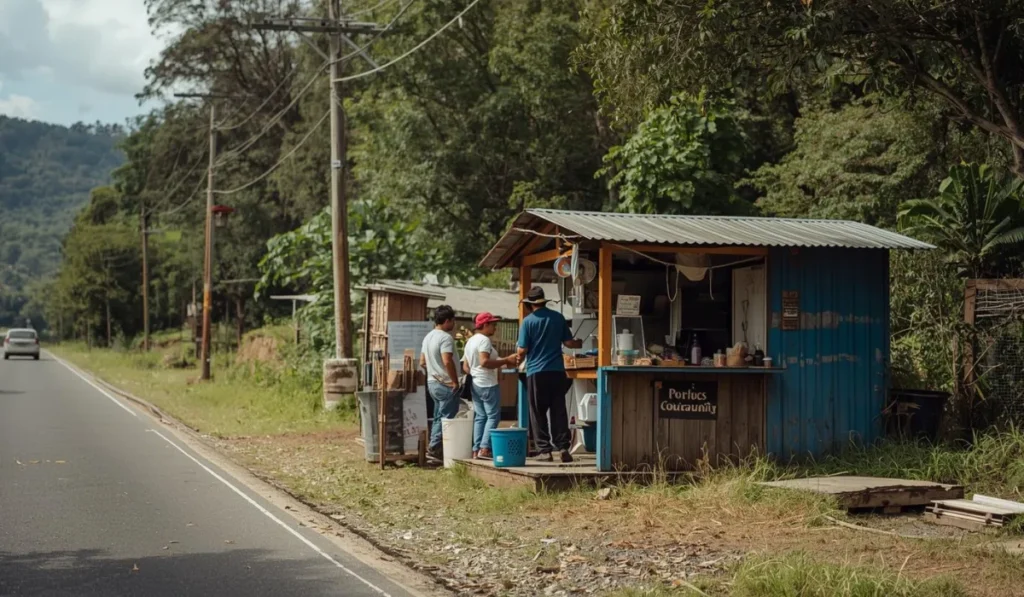
Salvadoran Road Food on Routes to Towns and Tourist Destinations
Each region has its specialty. On your trip, you can plan strategic gastronomic stops:
- Route to the Ruta de las Flores (Ahuachapán, Sonsonate): Look for stalls selling fried yuca with pepescas (tiny fried fish) on the highway. In the towns, try the artisanal ice creams in exotic flavors and freshly baked breads.
- Route to Suchitoto (Cuscatlán): This colonial town is famous for its pupusas de maíz negrito (made from a dark corn variety) and for tamales de elote (sweet corn tamales) in season.
- Route to the Northern Mountains (Chalatenango): Here you’ll find excellent fresh cheese and handmade corn tortillas, as well as soups made with native hen.
How to Get Around El Salvador to Enjoy the Best Salvadoran Road Food
Flexibility is key. While public transport (buses) gets you between cities, exploring detours and stopping where your instinct (or your nose) leads requires more independence.
Renting a car is, without a doubt, the best option for foodie travelers. It allows you to create your own route, stop at that mountainside stall that’s not in any guidebook, and carry your culinary discoveries. For a hassle-free experience, consider local rental services like Carvi, which offer the autonomy to make your trip through El Salvador a true culinary adventure on wheels.
Roadside Stalls vs. Restaurants: Where to Eat Salvadoran Road Food?
Each option has its charm. This table will help you decide:
| Aspect | Roadside / Street Stalls | Traditional Restaurants |
|---|---|---|
| Authenticity & Flavor | Maximum. Home-style cooking, unaltered traditional recipes. | Authentic, but sometimes adapted to a broader menu. |
| Ambiance & Experience | Vibrant, local, informal. An essential part of living culture. | Quieter, more comfortable, family-friendly. |
| Price | Very economical. You can eat very well for less than $5. | Moderate to economical. Generally higher than a stall. |
| Variety & Consistency | Specialized menu (e.g., only pupusas). | More extensive menu with various typical dishes. |
| Safety & Hygiene | Variable. Observe customer traffic and basic cleanliness. | Generally higher, with fixed facilities. |
Average Prices of Salvadoran Road Food
One of its biggest attractions is its accessibility. At street stalls and pupusódromos, you can manage a very tight budget:
- Pupusa: Between $0.50 and $1.50 USD each, depending on the filling and location.
- Full plate (yuca with chicharrón, garnachas, turkey sandwich): Between $3 and $8 USD.
- Beverages (sodas, horchata, atol): Between $0.50 and $2 USD.
Tip: Always carry cash in small bills (USD is the official currency), as the vast majority of stalls do not accept cards.
Tips for Enjoying Salvadoran Road Food Safely
- Follow the locals: A stall full of Salvadorans is the best indicator of quality, freshness, and safety.
- Observe the preparation: Prefer places where food is prepared to order and maintain basic hygiene (use of utensils, gloves, washing water).
- Go for cooked items: Opt for foods that are well-cooked and hot, straight from the comal, oil, or grill.
- Be careful with water: For drinking, prefer sealed bottled water. Avoid ice of unknown origin.
- Communicate preferences: If you are sensitive to spice, ask. Many salsas can be very potent.
Salvadoran Road Food Recommended for Foreign Tourists
For a first approach, these dishes are friendly, delicious, and representative:
- Pupusa of cheese with loroco: Flavorful, not spicy, and with a unique regional ingredient.
- Fried yuca with crispy chicharrón: Similar to french fries, but with a tropical twist and incredible textures.
- Grilled corn: Simple, natural, and universally tasty.
- Atol de elote: A sweet, creamy, hot corn-based drink, perfect for breakfast or a snack.
Ideal Times to Find Salvadoran Road Food
The offerings vary by time of day:
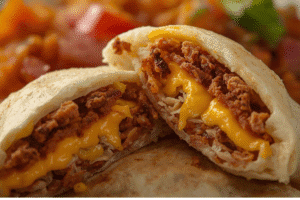
- Breakfast (6:00 a.m. – 10:00 a.m.): Look for tamales, atoles, and stuffed breads (like the famous “panes rellenos” or “mataniños“).
- Lunch (12:00 p.m. – 3:00 p.m.): Peak time. Everything is available: pupuserías, grilled meat stalls, home-cooked meals.
- Dinner / Snacks (6:00 p.m. – 10:00 p.m.): Pupuserías are in full swing. Stalls selling garnachas, burgers, and fried chicken also abound.
Why Salvadoran Road Food is Part of the Country’s Culture
It is the social and economic thermometer of El Salvador. For thousands of families, it is a livelihood and entrepreneurship. It is a socialization space where you share a table with strangers. It is resilience and pride, keeping identity alive inside and outside the country. Finally, it is a bridge between the past and present, where every pupusa carries in its dough the history of Mesoamerican corn and the ingenuity of the Salvadoran people to transform it into their national symbol.
Frequently Asked Questions about Salvadoran Road Food (FAQ)
What is Salvadoran road food?
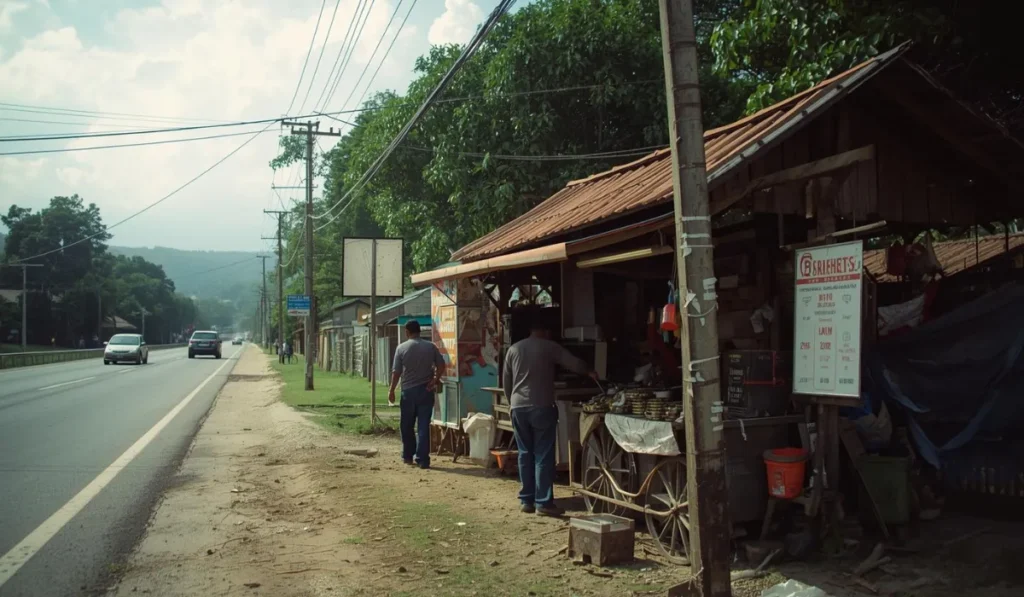
It is the experience of tasting El Salvador’s typical gastronomy in its most authentic and popular context: street stalls, roadside vendors, markets, and “pupusódromos.” It represents everyday, accessible, and tradition-filled cuisine.
Where can you find the best Salvadoran road food?
Anywhere you see a concentration of locals eating. Pupusódromos, municipal markets (like San Salvador’s or Antiguo Cuscatlán’s), and the shoulders of main highways connecting towns are foolproof places.
Is Salvadoran road food safe for tourists?
Yes, it generally is if you take basic precautions. The golden rule is to choose stalls with a lot of local clientele and where the food is prepared to order and served hot. Observing the general cleanliness of the stall is also key.
How much does it cost to eat Salvadoran road food?
It is very economical. You can eat abundantly and satisfactorily for less than $5 to $10 USD per person. A pupusa costs between $0.50 and $1.50 USD, and a full plate like yuca with chicharrón is around $5-7 USD.
Is it necessary to rent a car to enjoy Salvadoran road food?
It’s not strictly necessary, but highly recommended. Public transport limits you to fixed stops. Renting a car (for example, with a local service like Carvi) gives you absolute freedom to explore secondary routes, stop wherever your curiosity takes you, and take your gastronomic adventure to another level, discovering flavors you would otherwise miss.
Conclusion: Experience El Salvador Through Its Road Food
Traveling through El Salvador and not immersing yourself in its road food is to miss half the journey. It is an invitation to connect with the land, its people, and its history through the most primary and memorable sense: taste. From the first steaming pupusa to the last sip of atol de elote, every bite is a story. Dare to leave the tourist trail, follow the smoke from the comales, sit on a plastic stool, and let yourself be carried away by the authentic flavor of El Salvador. Your palate, and your traveler’s spirit, will thank you.
Ready to plan your gastronomic route? Start by marking the pupusódromos and markets mentioned on your map, and remember that the best adventure always begins on the least expected road.
Share this content:
Post Comment