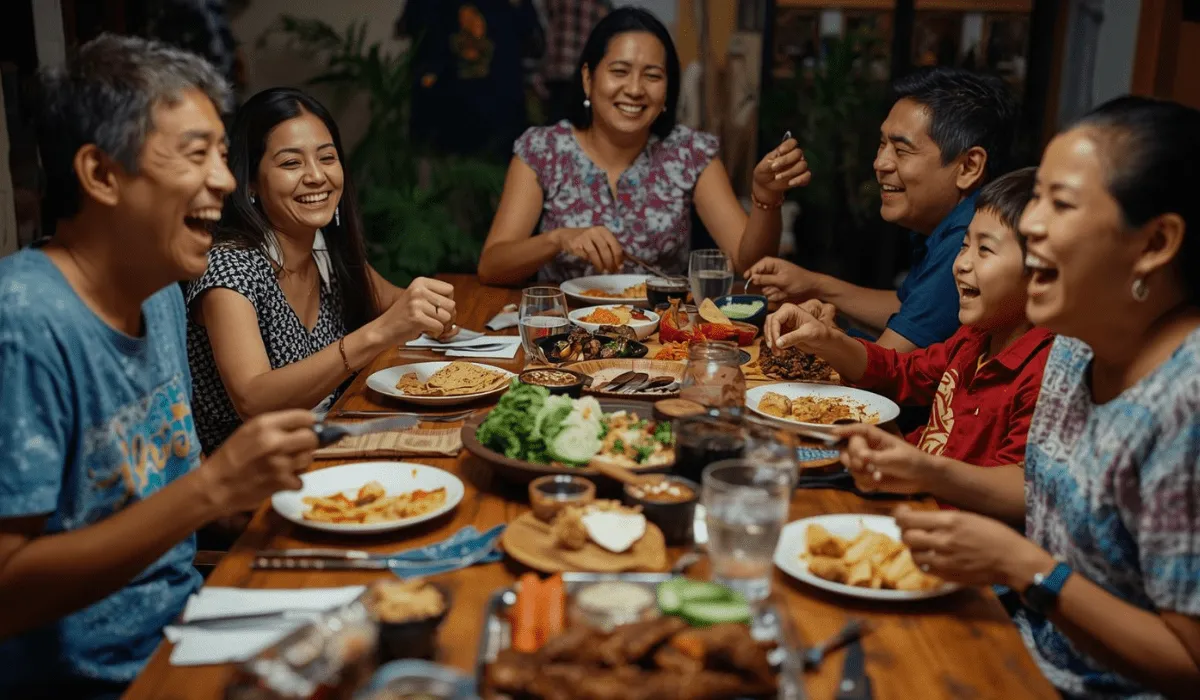
- Introduction: The Heart of Cuscatlecan Cuisine
- The Fundamental Pillars: The Traditional Ingredients of El Salvador You Can't Miss
- The Indispensables: Other Traditional Ingredients of El Salvador that Complete the Table
- Frequently Asked Questions (FAQ) about the Traditional Ingredients of El Salvador
- Conclusion: A Flavor That Transcends Borders
The traditional ingredients of El Salvador are the very essence of its cuisine and the reason behind its unique flavors. These products, ranging from heirloom corn to aromatic herbs like loroco, are much more than just components of a recipe; they are a cultural legacy that tells the story of its people. In this guide, we will explore each of these culinary pillars to discover what makes Salvadoran gastronomy authentic and how these elements combine to create dishes that have won over palates around the world.
Discover El Salvador’s Flavors on the Road 🚗
El Salvador’s traditional ingredients — from yuca and corn to sesame seeds and curtido — tell a delicious story. If you’re planning a trip to taste them in local markets, towns, and family-run eateries, mobility matters.
With Carvi you can rent a car online in minutes and explore the country at your own pace — no lines, no hidden fees, just freedom to discover.
🚘 Book Your Car with Carvi & Start Your Flavor Adventure
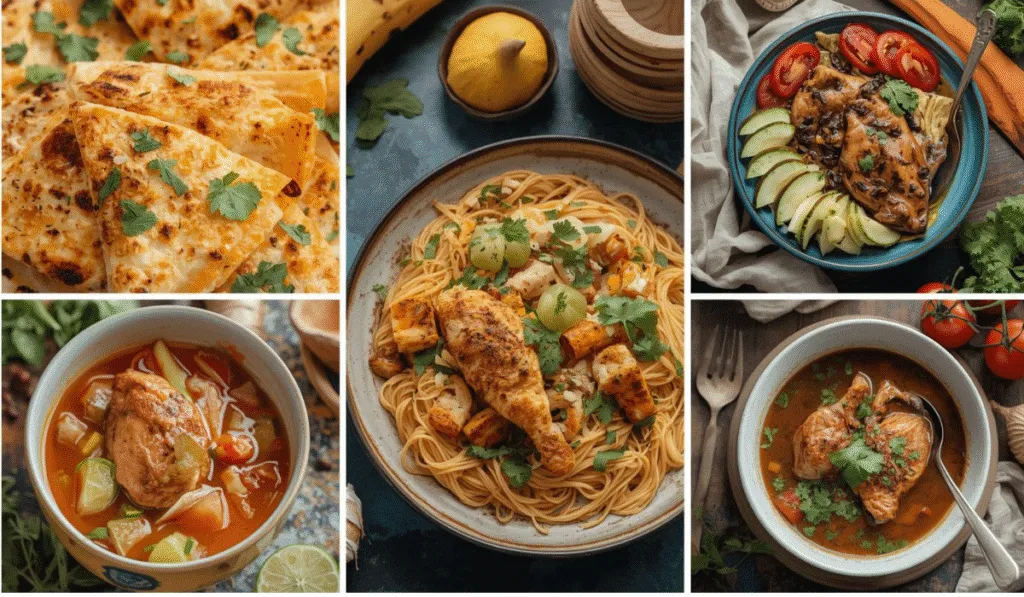
Introduction: The Heart of Cuscatlecan Cuisine
When you think of Salvadoran food, your mind likely goes to pupusas, fluffy and golden. But behind their unmistakable flavor lies a much deeper story, written with the traditional ingredients of El Salvador. These products, many of pre-Columbian origin, are the pillars that have defined the nation’s palate for centuries. They are the soul of Cuscatlecan cuisine, a combination of fertile land, indigenous history, and campesino tradition.
In this article, we will not only answer the question “what is Salvadoran food made of?”, but we will also take a tour of each of these essential ingredients, exploring their flavor, history, and irreplaceable role at the table. Get ready to discover the flavors that have fed generations.
The Fundamental Pillars: The Traditional Ingredients of El Salvador You Can’t Miss
These are the absolute protagonists. Without them, Salvadoran cuisine would lose its essence.
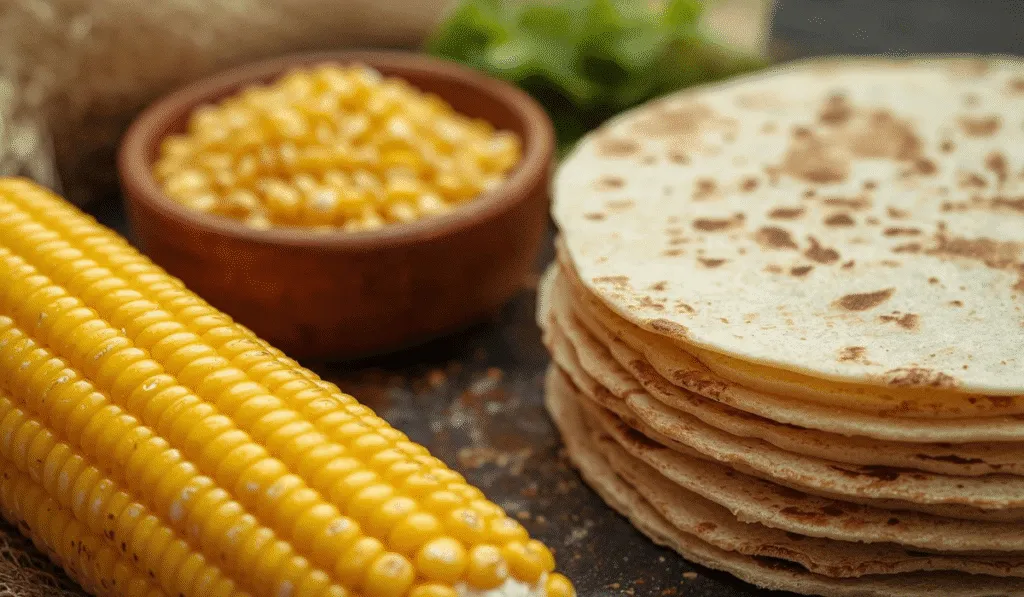
1. Corn: More Than a Grain, a National Symbol
- Description and History: It is no exaggeration to say that corn is the foundation of civilization in Mesoamerica. In El Salvador, criollo corn, inherited from the Pipil peoples, is more than food; it is a cultural and spiritual element. The process of nixtamalization (cooking the corn with lime to soften it and enrich it nutritionally) is an ancestral technique that remains vital in all households.
- Flavor and Texture: Its flavor is earthy, slightly sweet, and with an incomparable feeling of “home.” The texture varies: soft in a tortilla, dense and crumbly in a rice pupusa, or gelatinous in an atol.
- Use in the Kitchen: It is the star ingredient. Corn dough is used to make:
- Nutritional Value: Rich in complex carbohydrates, fiber, B vitamins, and, thanks to nixtamalization, absorbable calcium.
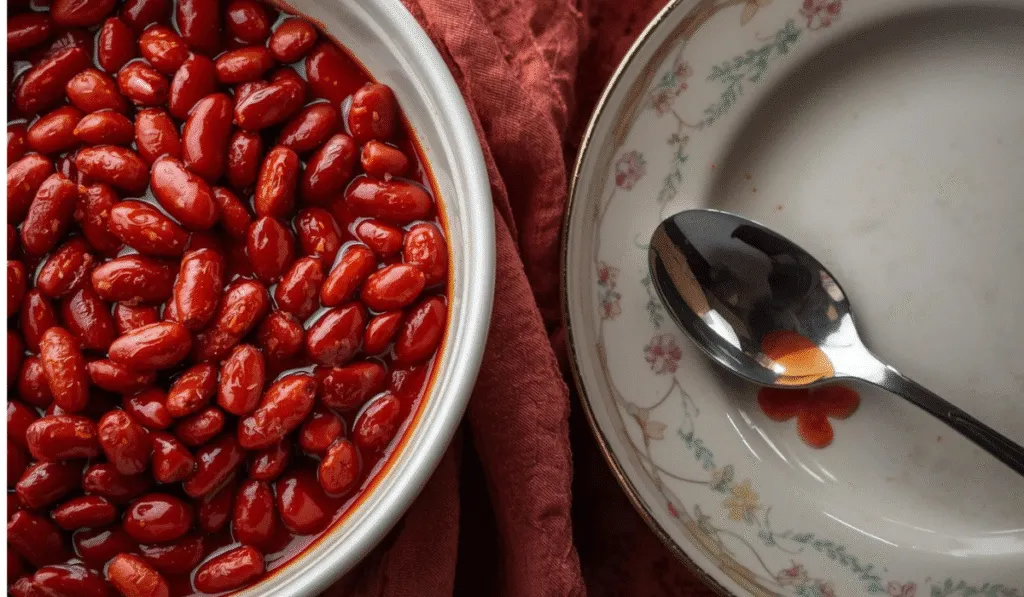
2. Beans: The Ever-Present Protein
- Description and History: Along with corn, beans (mainly red or “de seda”) form the dynamic duo of the Mesoamerican diet. This combination is not accidental; together, corn and beans provide a complete protein vital for nutrition.
- Flavor and Texture: When cooked until they fall apart, red beans acquire a silky texture and a deeply earthy, slightly sweet flavor. When fried, they become creamy with a more intense, salty flavor.
- Use in the Kitchen:
- Fried Beans (Refritos): The quintessential breakfast side, always next to eggs, cream, and fried plantains.
- Bean Soup: A comforting and familiar dish.
- “Casamiento” (Marriage): The inseparable mix of white rice and red beans, a classic that accompanies dinners and lunches.
- Nutritional Value: An excellent source of plant-based protein, fiber, iron, and potassium.
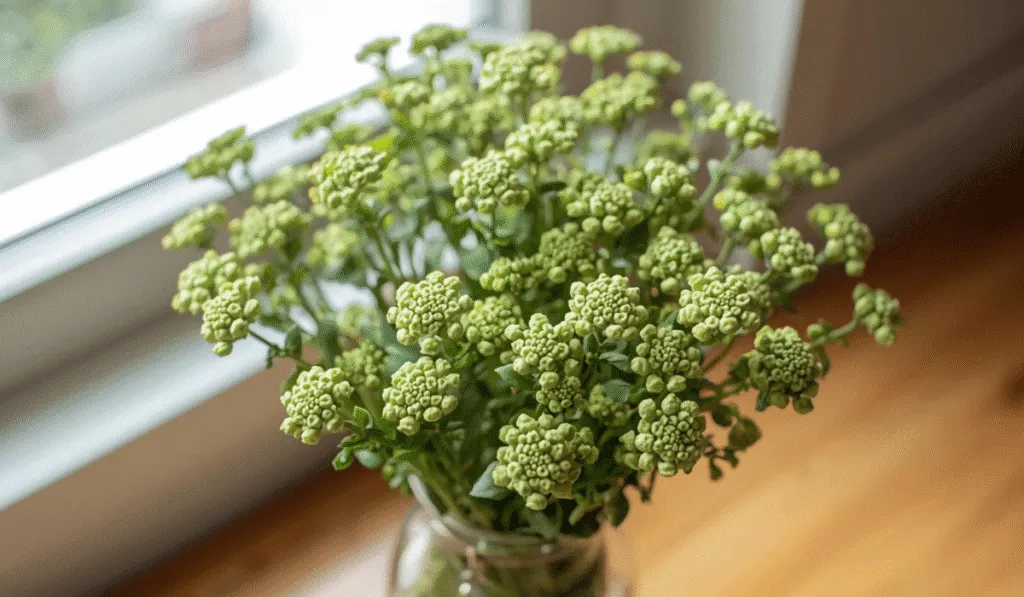
3. Loroco: The Unmistakable Aroma
- Description and History: Loroco is perhaps the most distinctive traditional ingredient of El Salvador. It is a green, unopened flower bud, native to Central America, whose culinary use is almost exclusive to the region. It is not consumed raw but cooked.
- Flavor and Aroma: Its flavor is unique: slightly herbaceous, with hints reminiscent of artichoke and an unmistakable floral aroma that permeates any preparation.
- Use in the Kitchen: It is the quintessential filling for pupusas (alone or with cheese), but it is also used in sauces, soups, scrambled eggs, and chicken stews.
- Where to Find it?: In El Salvador, it is found fresh in markets. Outside the country, it is more common preserved (in jars or cans), available in Latin stores.
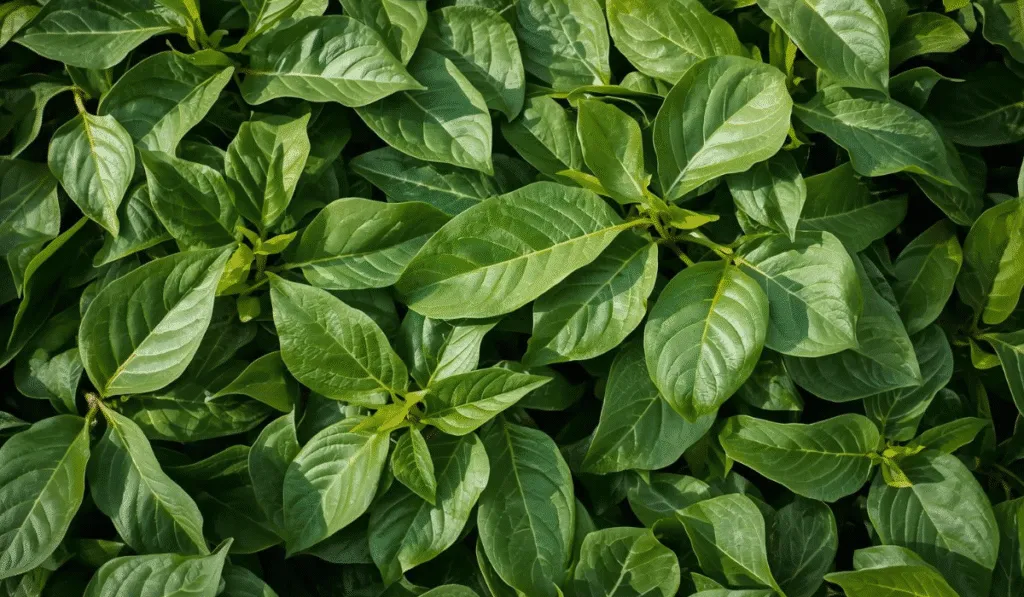
4. Chipilín: The Leaf with a Unique Flavor
- Description and History: Another fundamental leaf, chipilín is a leguminous plant whose small green leaves are used in cooking. Like loroco, it is a hallmark of Central American cuisine.
- Flavor and Texture: It has a slightly bitter and herbaceous flavor, which softens when cooked. It gives a vibrant green color to foods.
- Use in the Kitchen:
- Nutritional Value: Rich in iron, calcium, vitamin A and C.
The Indispensables: Other Traditional Ingredients of El Salvador that Complete the Table
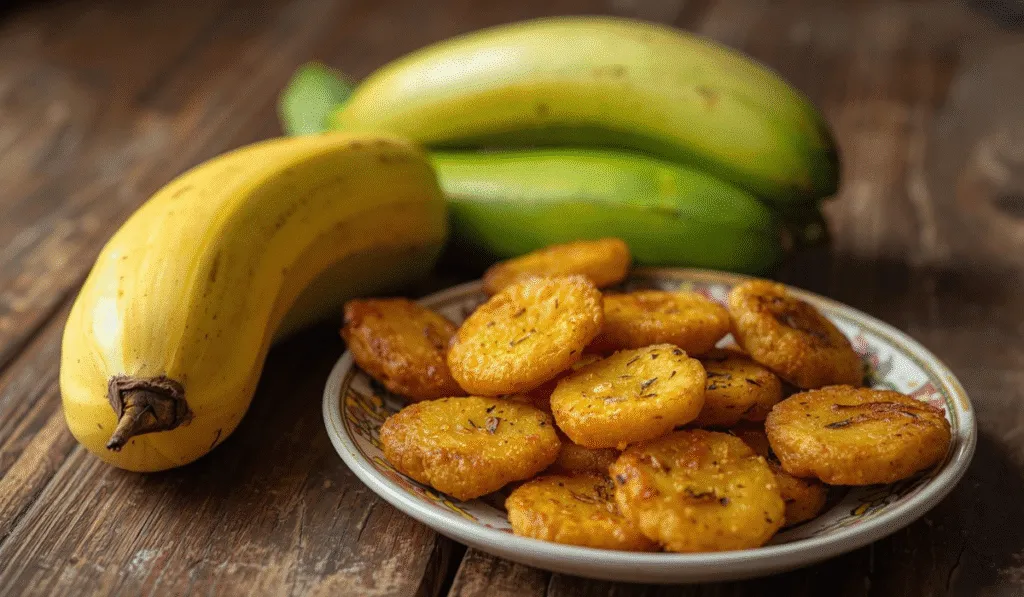
5. Plantain and Yuca: The Versatile Carbohydrates
- Plantain: Used in all its stages. Green, it is boiled or fried to make tostones or salty chips. Ripe, it is fried to create sweet, caramelized fried plantains, a classic breakfast side.
- Yuca (Cassava): This tuber is boiled or fried and served as a side, often with chicharrón or curtido. Its texture is dense and starchy, and it absorbs flavors very well.
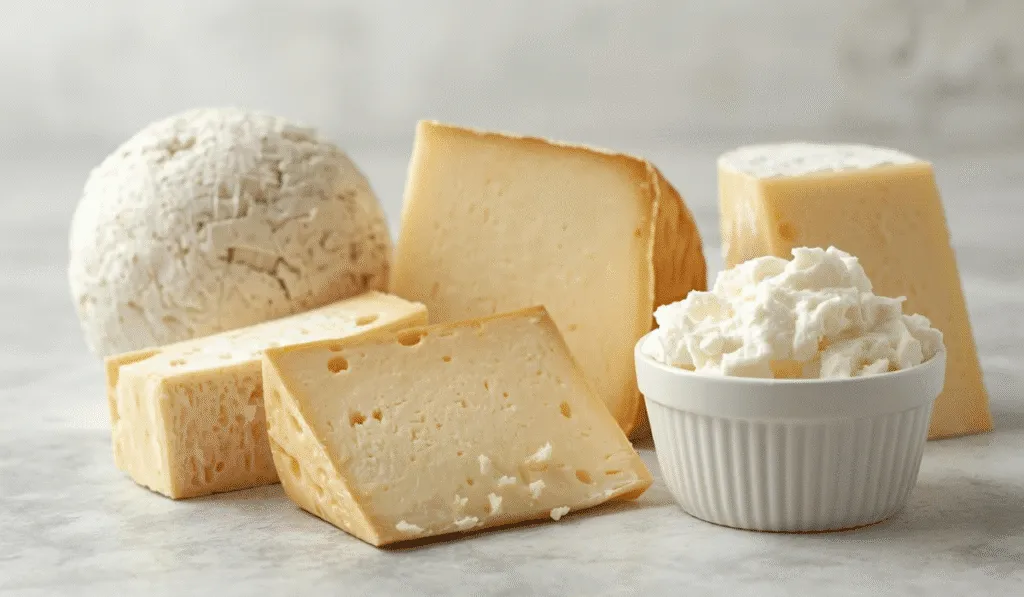
6. Cheeses: The Salty and Creamy Note
Salvadoran gastronomy uses a variety of fresh and aged cheeses.
- Queso Fresco (Fresh Cheese): Soft, slightly salty, and crumbly. Used for stuffing pupusas.
- Queso Duro (Salvadoreño Hard Cheese): An aged, dry, and very salty cheese, grated over beans, soups, and salads.
- Requesón (Similar to Ricotta): Creamy and used as a filling for pupusas and pastries.
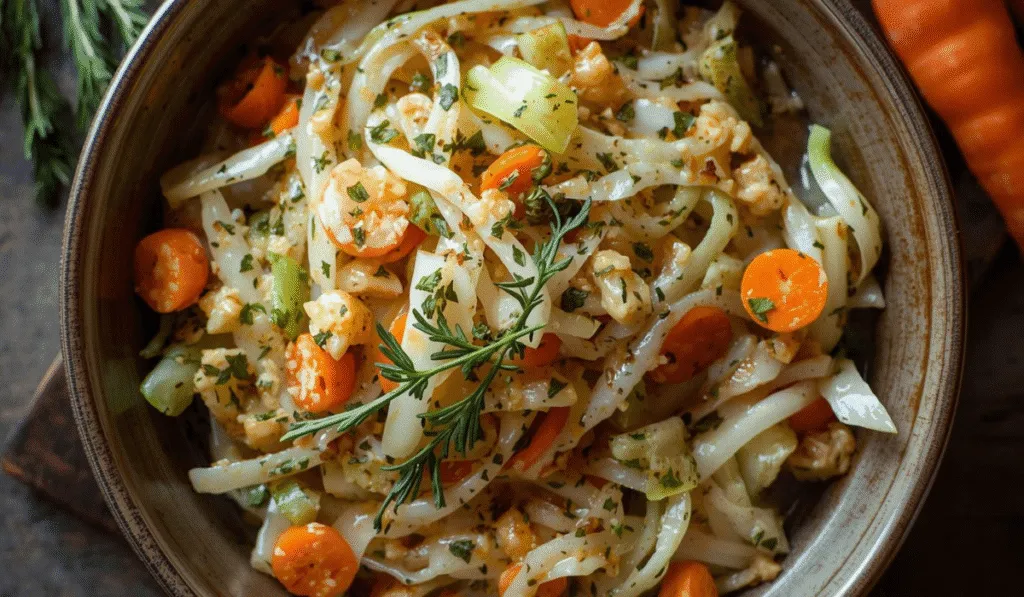
7. Curtido: The Sour and Crunchy Accompaniment
This is not a single ingredient, but an essential preparation. It is a salad of cabbage or white cabbage lightly fermented with onion, carrot, and oregano, pickled in vinegar. Its freshness and acidity cut through the fat of fried pupusas and is absolutely indispensable for eating with them.
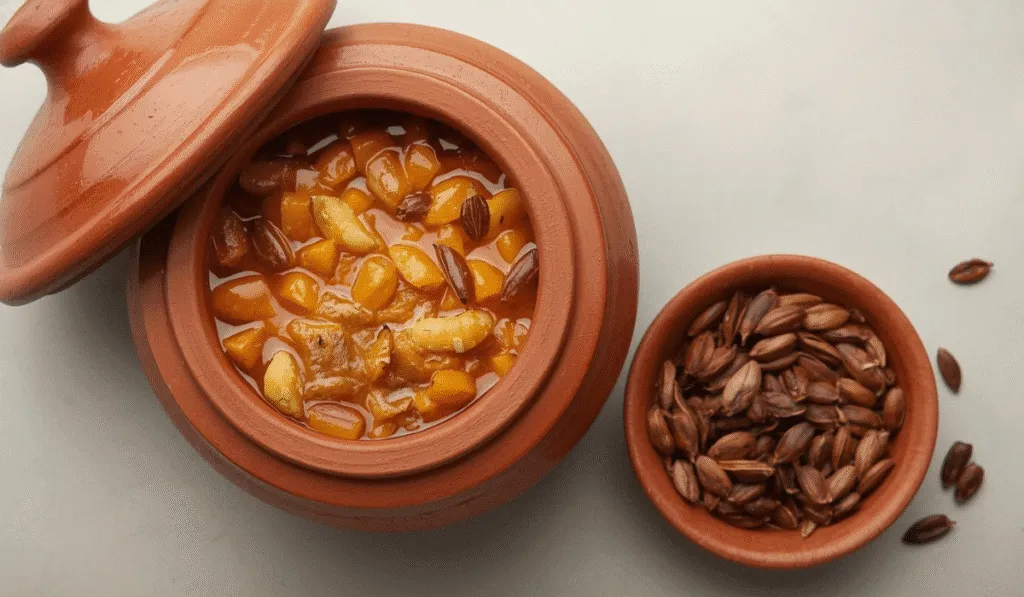
8. The Flavor-Giving Seeds: Ajonjolí and Morro
- Ajonjolí (Sesame): Used sprinkled on breads like semitas, or ground to thicken and flavor sauces.
- Morro Seeds: These seeds, toasted and ground, are the key ingredient for traditional drinks like Chilate, giving it a toasted, profound flavor.
Frequently Asked Questions (FAQ) about the Traditional Ingredients of El Salvador
What is the most important ingredient in El Salvador?
Without a doubt, corn. It is the physical and cultural base of the diet. Without it, pupusas, tortillas, and a large part of the Salvadoran culinary identity would not exist.
Can I find these ingredients outside of El Salvador?
Yes. In most countries with Latin communities, you will find specialized stores where you can buy nixtamalized corn dough, preserved loroco, frozen or canned chipilín, and Central American cheeses.
What can I use as a substitute for loroco?
Loroco has a unique flavor, but if you can’t find it, you can substitute it in pupusas with a mixture of cooked spinach and a touch of chopped green asparagus, which will slightly mimic its texture and vegetal flavor.
Is “curtido” similar to “coleslaw”?
Yes, in its base, but Salvadoran curtido is differentiated by its short fermentation process (sometimes just a few hours), which gives it a slightly acidic and tangy flavor, and by the specific use of dried oregano.
Conclusion: A Flavor That Transcends Borders
The traditional ingredients of El Salvador are much more than simple recipe components. They are a living legacy, a map of flavors that tells the history of its people. From the ancestral corn to the floral aroma of loroco, every bite is a connection with the Cuscatlecan land.
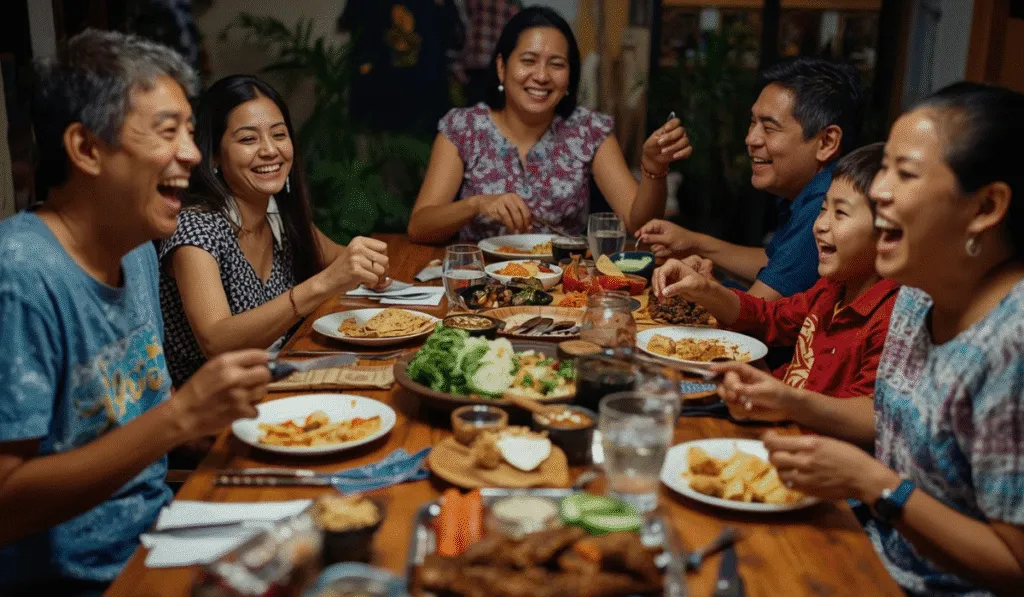
Now that you know what Salvadoran food is made of, we invite you to look for a Salvadoran restaurant or try cooking with these ingredients yourself. Discover for yourself why this cuisine, humble but full of soul, conquers palates all over the world.
From yuca and curtido to the seeds that give local drinks their rich flavors, El Salvador’s ingredients shine when tasted at their origin. To make your journey smooth and stress-free, consider booking a car with Carvi, the modern rental platform that lets you reserve online in minutes — no queues, no surprises, just freedom to explore.
👉 Reserve Your Car with Carvi & Start Exploring Today 🚘🍽️
Share this content:


Post Comment